New Mexico's Grid Just Flipped. How Did It Happen?

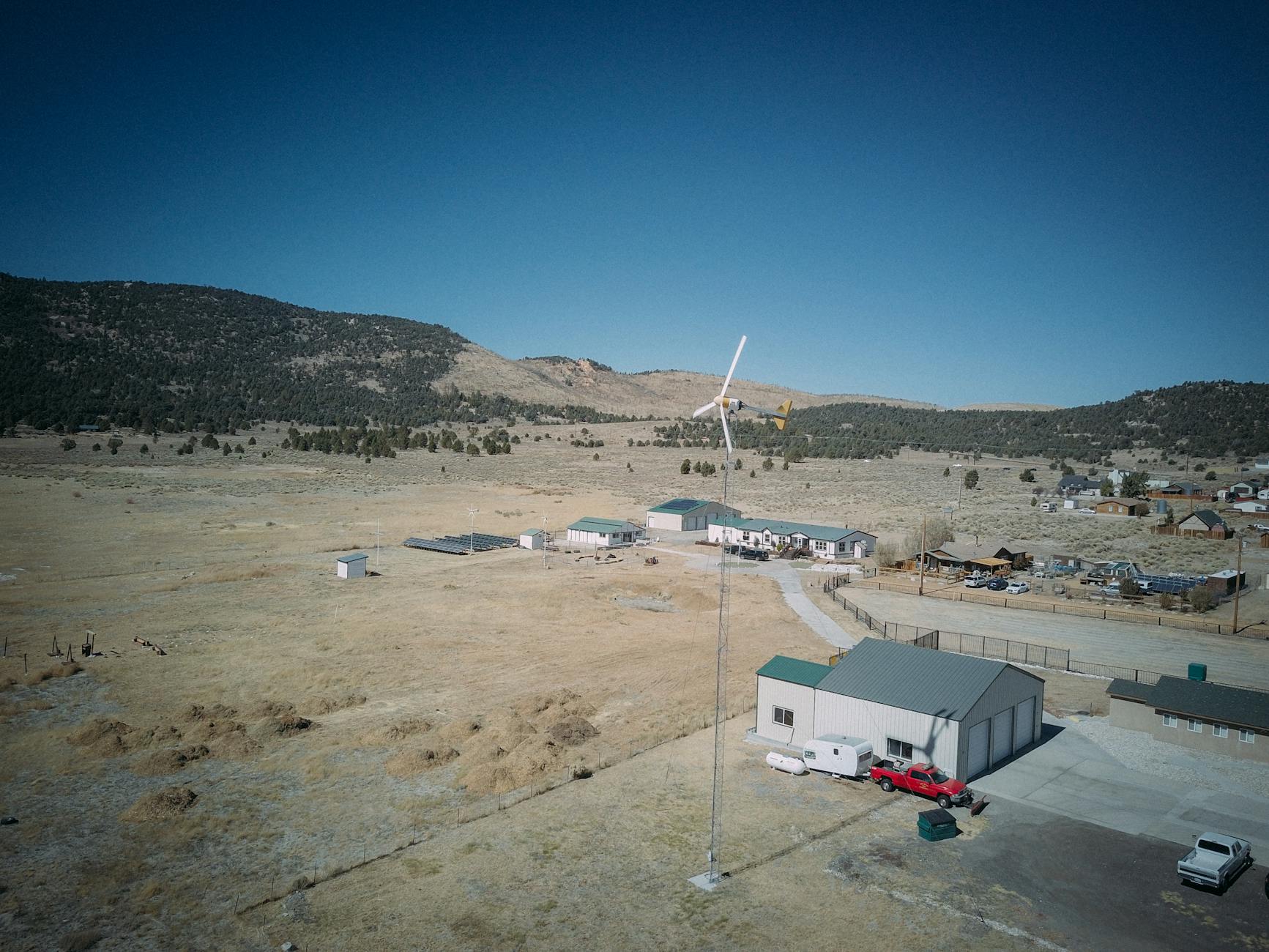
In a remarkable five-year span, New Mexico has rewritten its energy story, transforming its electricity supply from primarily climate-warming fossil fuels to majority renewable sources. This swift shift, spurred by the state’s ambitious Energy Transition Act, shows a clear path towards a cleaner future. Utilities rapidly built solar, wind, and battery storage, retiring a major coal plant in the process. Crucially, this environmental progress also came with economic benefits, as electricity prices remained lower than average. New Mexico's success offers a powerful example of how rapid electrification can combat global warming and create sustainable solutions.
Just five years ago, New Mexico's electricity mostly came from fossil fuels like coal and gas, contributing heavily to climate change. In July 2021, the state's largest utility, PNM, relied on these sources for 83% of its power, especially during peak summer demand. This meant more pollution and a bigger carbon footprint for the region.
Fast forward to today, and the picture is vastly different. Thanks to a dedicated push for clean energy, including the Energy Transition Act, New Mexico has dramatically increased its use of renewable power. Now, during a typical July week, clean sources like solar and wind generate 62% of the electricity, a complete reversal from the past.
Abundant sunshine plays a massive role, with solar power often supplying over 40% of the grid's needs during the day. To manage demand when the sun sets, large-scale batteries store this cheap daytime solar energy, releasing it into homes and businesses during hot summer evenings. Wind power perfectly complements solar, blowing strongest at night and providing another significant portion of the electricity, even sending clean energy to neighboring states like Arizona and California via projects like SunZia.
While the transformation is impressive, some fossil fuels still play a supporting role. Natural gas generation typically fills in gaps during evening peaks when renewable output isn't quite enough. Coal use, though significantly reduced, is kept at a steady pace for efficiency. However, the reliance on these climate-warming fuels is shrinking rapidly, with renewables often covering 70% or more of daily needs throughout the year, and even over 80% in spring.
New Mexico's journey proves that a rapid shift away from fossil fuels towards clean, sustainable energy is not only possible but can also be economically beneficial. This progress is crucial in the urgent fight against global warming, demonstrating how proactive environmental action can lead to a cleaner, more affordable, and more resilient energy future for everyone. The Energy Information Administration's Hourly Grid Monitor shows this dramatic shift.