New Tesla Feature Leaves Many Model Y Owners Unexpectedly Unpowered

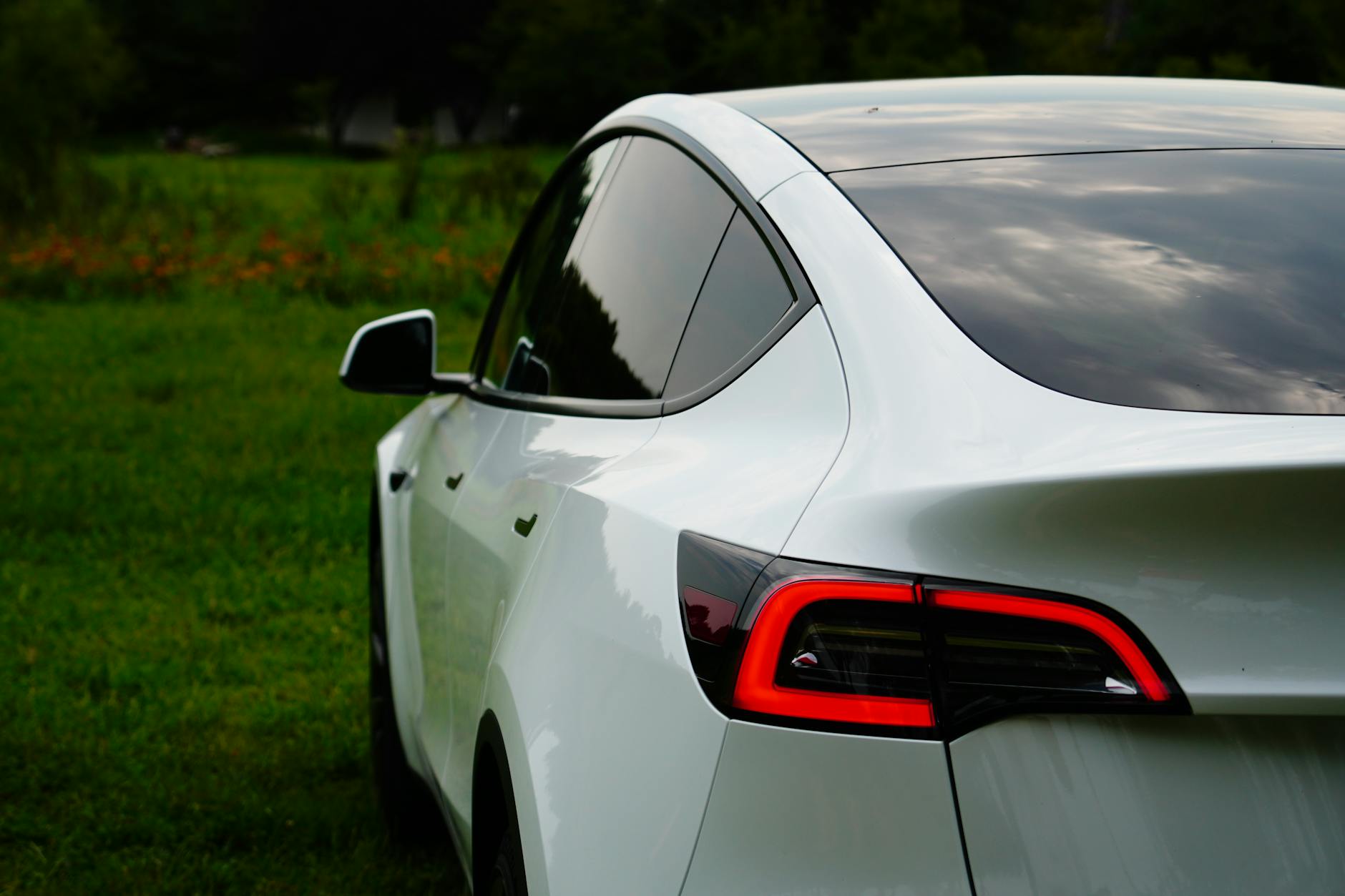
Tesla recently rolled out an exciting Vehicle-to-Load (V2L) Outlet Adapter, promising to transform Model Y cars into mobile power sources for everything from laptops to camping gear. This innovative feature highlights the growing versatility of electric vehicles, offering practical benefits beyond transportation. However, many owners, even those with newer Model Ys, are discovering their vehicles aren't compatible due to an older internal power system. This unexpected hurdle has created disappointment for those eager to tap into their EV's full potential.
The idea of using your electric car as a portable power station is truly a game-changer, showcasing yet another advantage of electrification. Imagine powering your campsite, tools on a remote job, or even essential devices during a power outage, all directly from your vehicle's battery. This is the promise of Tesla's new V2L Outlet Adapter for the Model Y.
However, the rollout has hit a snag. Many Model Y owners, even those who took delivery this year, are finding their cars unable to use the $80 accessory. The issue stems from the vehicle's internal Power Conversion System (PCS); only cars equipped with the newer, two-piece PCS can support V2L functionality. This means a significant number of recent Model Ys, still less than a year old, are simply not compatible.
The disappointment is understandable, as this feature enhances the utility and sustainability of electric vehicles by making them more self-sufficient power hubs. For owners eager to upgrade, the path is costly: replacing the PCS can run upwards of $1,750 just for parts, not including labor. Many consider this price prohibitive, suggesting alternative portable power solutions might be more practical.
While this compatibility issue is a temporary setback for some, it doesn't diminish the overall progress in electric vehicle technology. V2L capabilities represent a forward step in maximizing the benefits of EVs, pushing us closer to a future where our vehicles are not just transport but integral parts of a versatile, electrified lifestyle. This serves as a reminder that as technology advances, ensuring universal access to its benefits is key for wider adoption and a greener future.