New Volvo EX60 Range Test Reveals a Surprising Boost for EVs

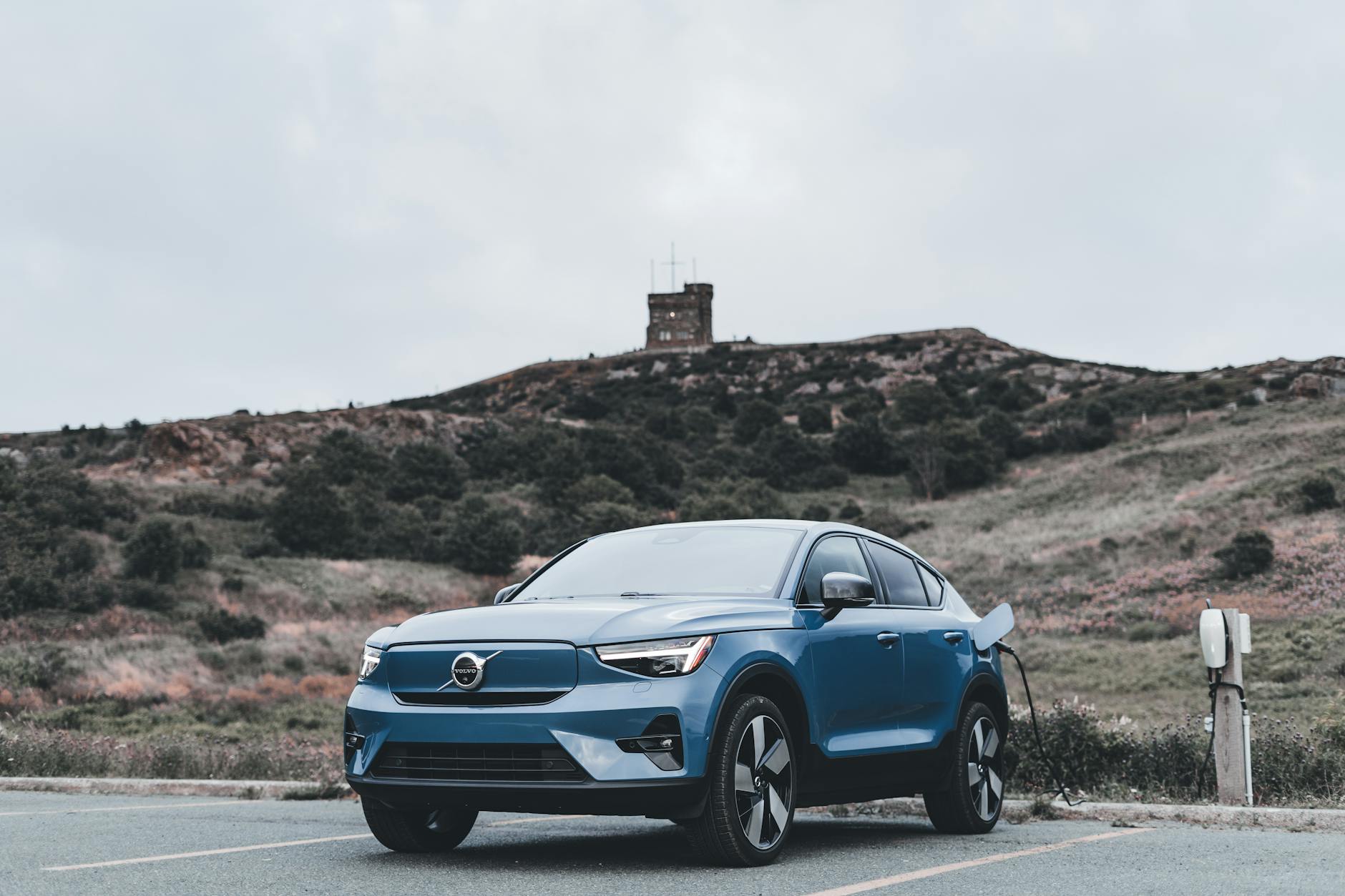
The 2027 Volvo EX60 electric SUV is making headlines for its impressive real-world performance, significantly surpassing its official EPA range rating. In tests, this new electric vehicle drove 40 miles further than expected, offering peace of mind to potential EV owners. This achievement underscores the rapid advancements in electric vehicle technology and their growing role in building a more sustainable future. With long-range capabilities, modern EVs like the EX60 are making the transition away from fossil fuels more appealing and practical than ever before.
The 2027 Volvo EX60 recently demonstrated remarkable endurance, with independent tests showing it can travel much farther than its official rating. The Twin Motor Ultra all-wheel-drive version, initially rated for 312 miles by the EPA, actually covered 352 miles on a single charge in a real-world assessment by Edmunds.
This extra range is a big deal, especially for those considering an electric car but worried about how far they can go. With 40 additional miles, drivers gain more confidence for longer trips and less frequent charging. Such performance highlights how electrification is not just an alternative but often superior to traditional gasoline cars, offering greater efficiency and a smoother driving experience, all while producing zero tailpipe emissions. The shift to electric vehicles like the EX60 is a crucial step in reducing our environmental impact and combating climate change.
Beyond its impressive range, the EX60 also boasts rapid charging capabilities, allowing it to recharge from 10% to 80% in just 16 minutes. This ultra-fast charging further reduces the convenience gap with gasoline vehicles, making long-distance travel in an EV more seamless. As more advanced EVs hit the market, they offer compelling reasons to embrace sustainable transportation, moving us closer to a cleaner, healthier planet. While real-world range can vary with driving conditions and climate, the EX60's performance signals a bright future for electric mobility.