New York's Climate Fight: A 'Dead' Gas Pipeline Returns

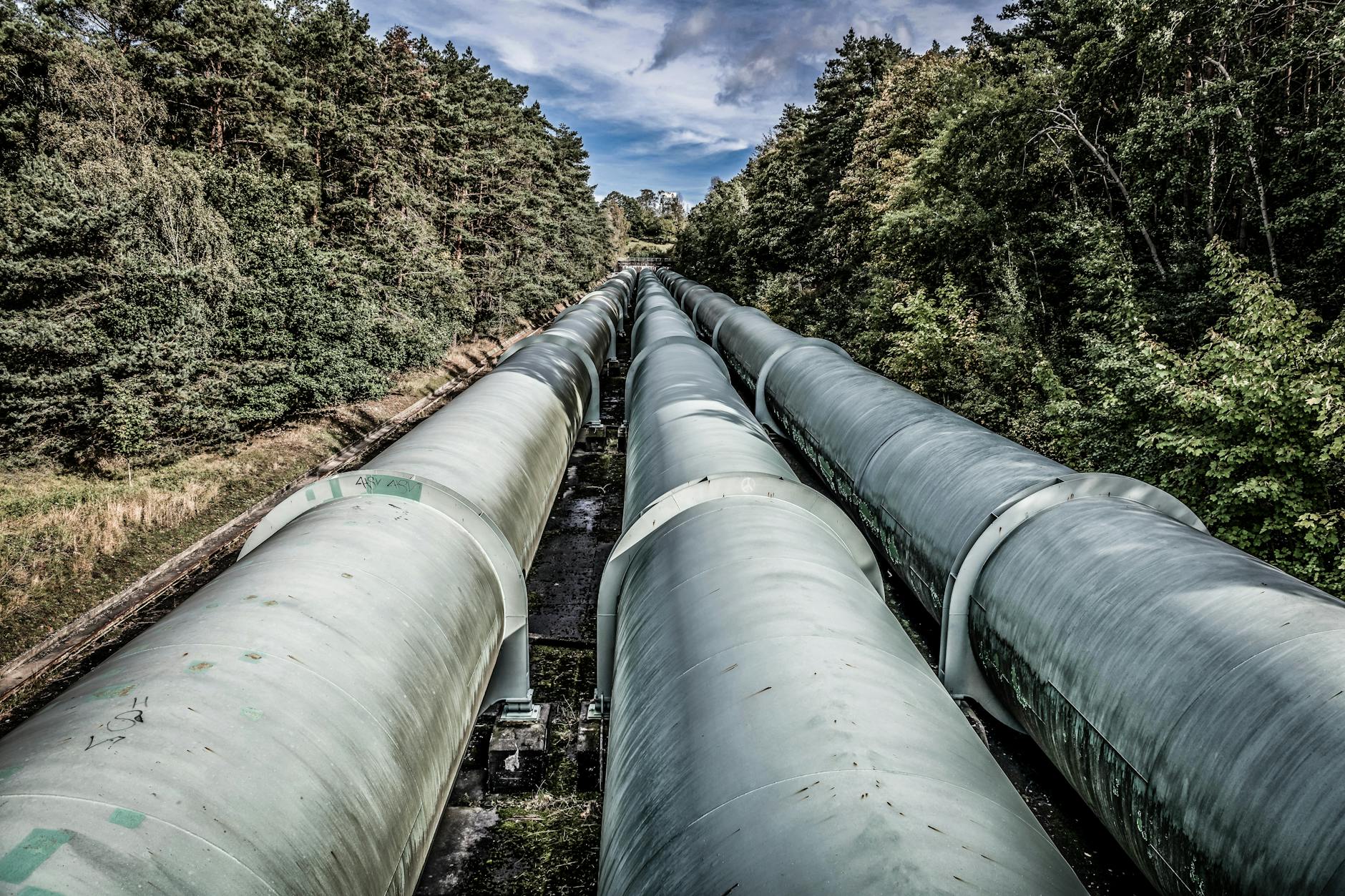
The Constitution natural gas pipeline, once deemed defunct, is now being revived with significant backing from the Trump administration. This 125-mile project, intended to stretch from Pennsylvania to upstate New York, poses a direct challenge to New York's ambitious climate goals. The unexpected push has ignited a crucial debate over balancing energy costs with environmental protection, making it a central issue in the state's upcoming gubernatorial election. The future of New York's clean energy transition hangs in the balance as federal and state priorities collide.
For residents like Tanja Konwinski in Schoharie County, the return of the Constitution pipeline is a stark surprise. She and her husband bought land with an easement for the pipeline, assuming it would never be built after New York state rejected its water quality permit in 2016, a decision upheld by courts. Now, the U.S. Department of Energy has announced plans to allocate up to $42 million for the project under the Defense Production Act, aimed at expanding domestic energy production, effectively bypassing state environmental review. This federal action signals a significant effort to revive fossil fuel infrastructure, undermining local climate efforts.
New York's Governor Kathy Hochul faces pressure to reconcile the state's leading climate commitments with concerns about energy costs and supply. While her administration has approved some gas projects and pushed back a key emissions target, she firmly opposes lifting the state's 2014 fracking ban. Her Republican challenger, Bruce Blakeman, advocates for expanding natural gas infrastructure and has floated repealing the fracking ban, arguing it would lower utility bills. This political divide highlights a national tension between fossil fuel expansion and urgent climate action.
Environmental groups and state regulators have questioned the legality of the project proceeding without New York’s approval, emphasizing the profound environmental risks. Gas pipeline construction can damage vital wetlands and streams, which are crucial ecosystems. More critically, operating pipelines are notorious for leaking methane, a potent greenhouse gas far more potent than carbon dioxide in the short term, contributing significantly to global warming. Reopening New York to fracking, as some propose, would also reintroduce serious public health threats, including respiratory illnesses and birth defects linked to carcinogens released during the process, as compiled by Sandra Steingraber.
This situation underscores the critical importance of strong environmental action and the urgent need to transition away from fossil fuels. While proponents argue for "affordable" energy, the long-term costs of climate change and public health impacts far outweigh any short-term savings. Embracing sustainable, clean energy solutions, like those Governor Hochul has also directed through investments in renewables and nuclear power, is essential for a healthier planet and a resilient future. New York's current struggle is a microcosm of the global challenge to prioritize long-term environmental well-being over outdated energy practices.