Newsom Blocks Tribal Water Bill, Citing Urgent Climate Fight

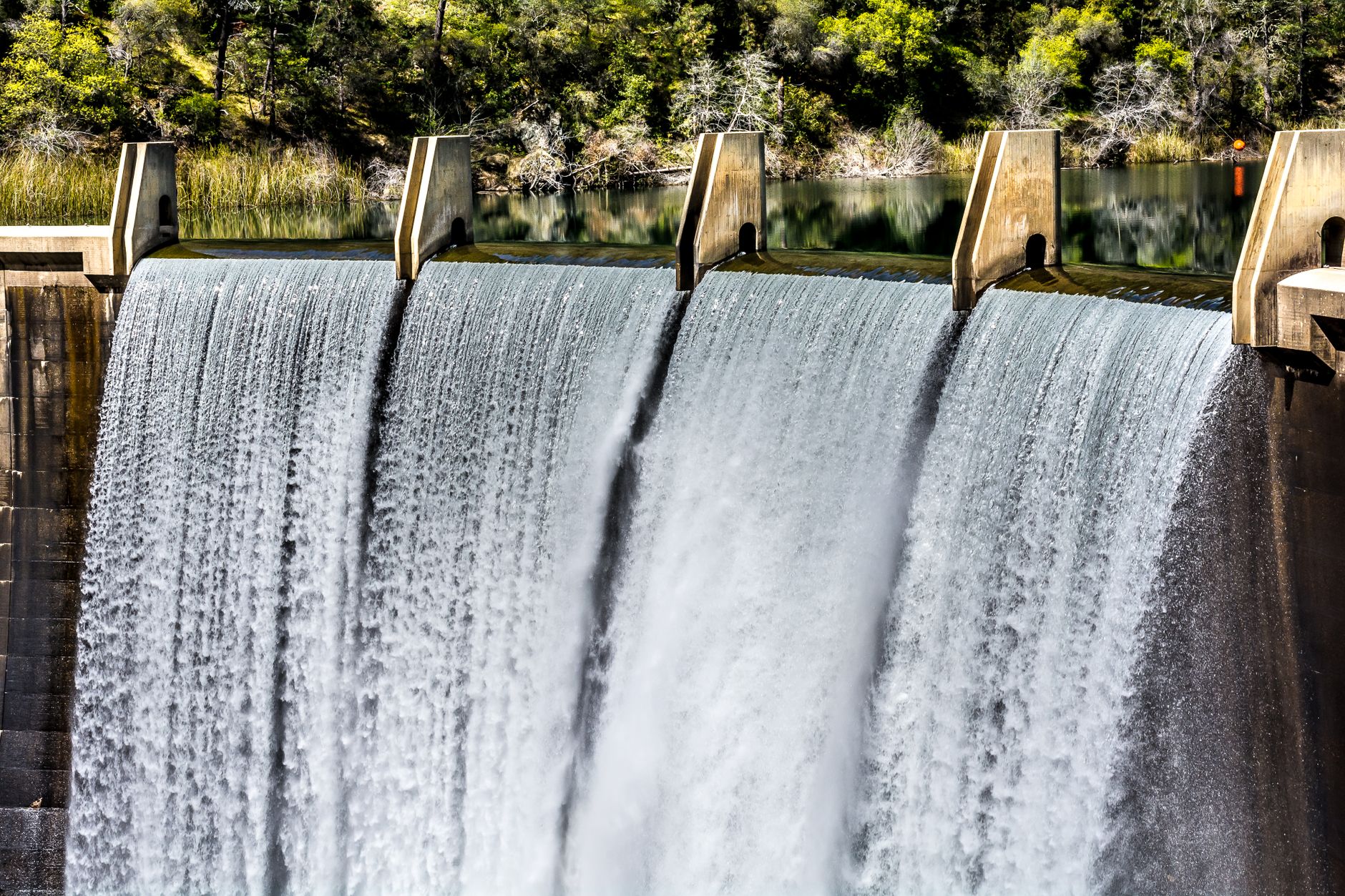
California Governor Gavin Newsom has vetoed a bill that would have given Native American tribes a stronger voice in the state's vital water policy decisions. Newsom stated his concern that the legislation could delay urgent efforts to secure California's water supply in the face of climate change. However, tribal leaders expressed deep disappointment, calling the decision a 'slap in the face' and a reversal of earlier commitments to address historical injustices. This move underscores ongoing tensions between urgent climate adaptation strategies and the rightful inclusion of Indigenous perspectives in environmental governance.
Governor Gavin Newsom recently vetoed Assembly Bill 2218, a piece of legislation aimed at granting Native American tribes a more significant role in California's crucial water policy decisions. The bill sought to acknowledge historical inequities and mandate consultation with tribes on water projects and plans. In his veto message, Newsom argued that while his administration values dialogue with tribes, the state needs to 'streamline its water policies to protect our water supply from the reality of climate change.' He expressed concern that the bill would introduce 'new sources of uncertainty' and delay critical efforts to secure water for Californians.
This decision sparked strong reactions from tribal leaders. Malissa Tayaba, Vice Chair of the Shingle Springs Band of Miwok Indians, called it a 'slap in the face,' feeling it undermined the governor's previous apology for historical injustices against Native Americans. California's water laws have roots in the Gold Rush era, when systemic actions led to the extermination of Native people and stripped tribes of their ancestral water rights. Karuk Tribe Chairman Russell 'Buster' Attebery emphasized the vital need for tribes to be included in decisions affecting their communities and traditional lands, especially when considering the profound impact climate change has on water resources.
Opponents, including the Association of California Water Agencies, also argued the bill was vague and could lead to more legal disputes and project delays, as noted in their opposition statement. Newsom himself mentioned concerns that the legislation might disrupt existing regulations and policies, such as the proposed Delta Conveyance Project and Sites Reservoir, which he champions as crucial for adapting to worsening droughts. This situation highlights the complex challenge of balancing urgent climate action with the essential recognition of Indigenous rights and historical connections to the environment.