Newsom's Climate Legacy: What Defines California's Green Path?

As Governor Gavin Newsom concludes his term, his climate legacy in California is under scrutiny, marked by both ambitious green initiatives and practical challenges. Faced with extreme weather and the impacts of a shifting federal landscape, Newsom championed aggressive renewable energy goals and a significant push for electric vehicles. However, rising fuel prices and federal opposition led to tough choices, highlighting the ongoing tension between environmental idealism and economic realities for everyday Californians. The state's efforts to move towards cleaner energy are crucial for addressing global warming and setting a national precedent.
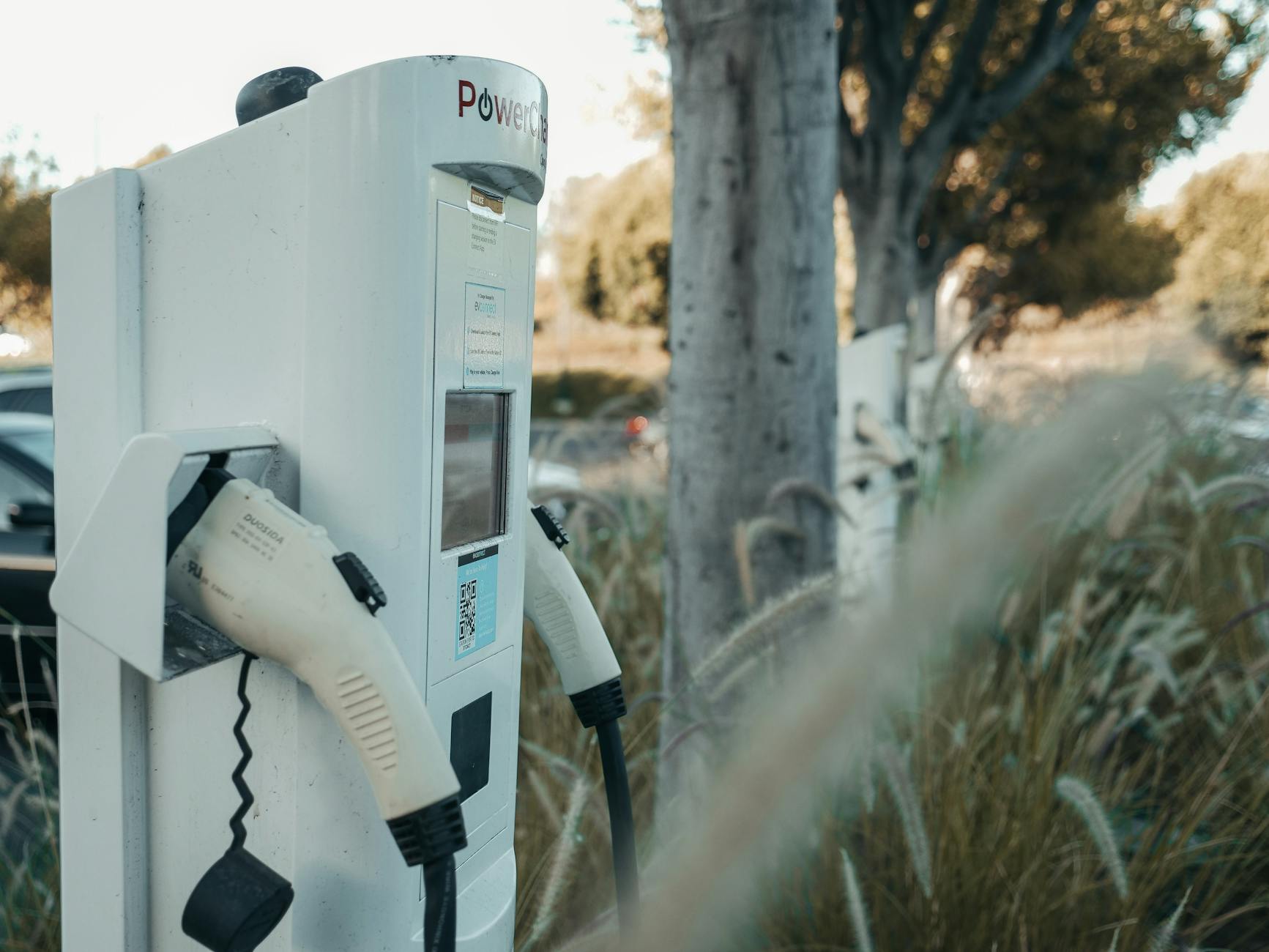
During his nearly eight years in office, Governor Newsom placed a strong emphasis on transforming transportation. California dramatically invested in electric vehicle (EV) infrastructure and incentive programs, leading to a significant jump in zero-emission vehicle sales. This bold move included a plan to ban the sale of new gasoline-powered cars by 2035, accelerating the shift towards cleaner air and a more sustainable future. Electrification offers not only environmental benefits but also long-term cost savings and reduced dependence on volatile fossil fuel markets.
However, these efforts faced considerable headwinds. The Trump administration actively sought to dismantle California's climate initiatives, challenging the state's authority on emissions standards and promoting fossil fuel projects like offshore drilling and coal terminals. Despite these federal attempts to slow the clean energy transition, California has continued to make remarkable progress. The state's energy grid now runs on approximately 67% clean energy, and battery storage capacity has soared, helping to prevent rolling blackouts since 2020. This underscores the importance of persistent local and state action in the face of broader political challenges, proving that sustainable solutions can deliver tangible benefits.
Yet, the path hasn't been without its compromises. Amid concerns over consumer affordability and soaring gasoline prices, Newsom made some decisions that disappointed environmental advocates, such as boosting oil production in Kern County. These shifts reflect the difficult balance between ambitious climate goals and the immediate economic needs of citizens. Experts suggest that the next governor will inherit a state deeply affected by climate change, grappling with ongoing wildfires, droughts, and coastal erosion, emphasizing the urgent need for consistent, impactful environmental policies.
Ultimately, California's journey highlights the critical need for a collective commitment to sustainability and environmental protection. The state's experience shows that while progress is possible, it requires navigating complex political and economic landscapes to truly move beyond fossil fuels and embrace a future powered by clean, renewable energy.