Newsom Vetoes Forest Bill. What Management Path Now?

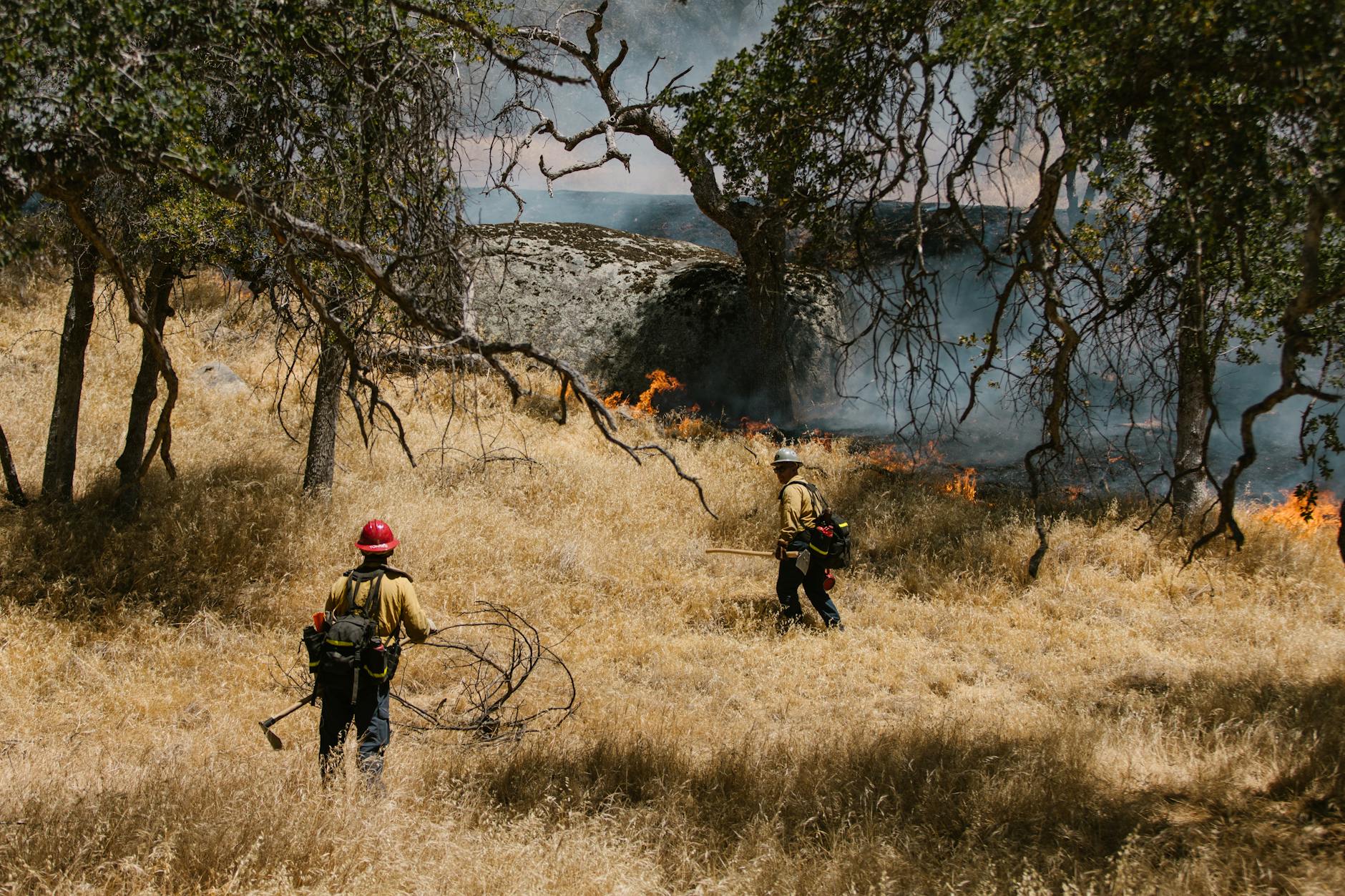
California Governor Gavin Newsom has vetoed Assembly Bill 2494, a measure designed to redefine how the state's 14 "demonstration forests" are managed. The bill sought to move away from commercial logging as a primary goal, prioritizing instead crucial environmental benefits like carbon storage, biodiversity, and wildfire resilience, while also seeking partnerships with Native American tribes. Governor Newsom stated his concern that the bill would limit the state's ability to develop essential science-based practices for fighting climate change and improving wildfire preparedness. This decision has sparked strong reactions, disappointing environmental groups and tribal advocates who championed the shift towards more sustainable forest management.
California's 14 state demonstration forests are meant to be "living laboratories" for forest management, but a recent debate over their purpose has highlighted differing visions for the state's green future. Currently, these forests are directed to produce timber sustainably, alongside considering other factors like recreation and wildlife.
Assembly Bill 2494 aimed to shift this focus, moving away from commercial logging to emphasize vital environmental goals. These included storing carbon, boosting biodiversity, enhancing wildfire resilience, and incorporating traditional knowledge from Native American tribes into forest management. Supporters believed this change was crucial for aligning the forests with urgent climate action and ecological protection.
However, Governor Newsom vetoed the bill, expressing concern that it would restrict the state's ability to fully test and develop best management practices. He argued that maintaining flexibility is essential for California to combat a rapidly changing climate and safeguard its forests against increasing wildfire threats.
This decision has disappointed a broad coalition of tribes, environmentalists, and local community members who have long advocated for less logging and more conservation-focused management, especially in places like Jackson Demonstration State Forest. They argue that the bill would have actually broadened, not narrowed, the scope of forest management, offering a more holistic approach to environmental health.
On the other side, groups representing rural counties and the timber industry supported the veto. They echoed the Governor's concerns, suggesting the bill’s vague definitions and potential limitations on harvesting different tree types could hinder effective management needed to make forests healthier and more resilient. This ongoing discussion underscores the critical balance needed to protect our valuable forests for generations to come, especially as climate impacts intensify.