Nissan's First US PHEV Revealed: But What Did They Forget?

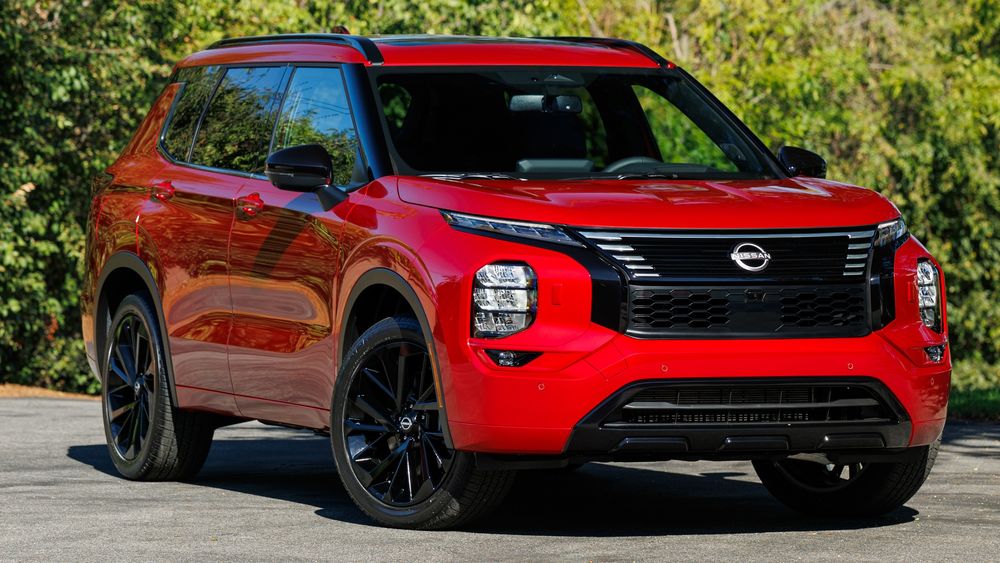
Nissan has officially launched its first-ever Plug-in Hybrid Electric Vehicle (PHEV) in the United States, the 2026 Rogue PHEV, marking a critical moment for the automaker. This new model, a rebadged version of the successful Mitsubishi Outlander PHEV, promises up to 38 miles of all-electric range. While leveraging a proven platform helps Nissan enter the competitive PHEV market, the vehicle’s debut is overshadowed by surprising omissions. Consumers and industry observers are questioning Nissan’s decision to exclude a larger battery and DC fast charging capabilities, features present in its European counterpart, raising concerns about its competitiveness in a rapidly evolving market.
The 2026 Nissan Rogue Plug-In Hybrid has made its official debut in the U.S., marking a pivotal moment for the Japanese automaker as its first-ever PHEV in the American market. This significant launch underscores Nissan’s strategic push into electrification, a move made possible through its long-standing alliance with Mitsubishi. The new Rogue PHEV is, in fact, a rebadged version of the highly regarded Mitsubishi Outlander PHEV, benefiting from its proven platform and market success. The Outlander PHEV is already a top-selling plug-in hybrid SUV in the United States, suggesting that Nissan could gain a competitive edge by leveraging this established model while minimizing its own development costs. The alliance extends further, with Mitsubishi set to launch its first new EV since the demise of the i-MiEV, which will be a rebadged Nissan Leaf.
However, the excitement surrounding this debut is tempered by critical feature omissions that could severely impact its market appeal and Nissan’s broader electrification goals. The new Rogue PHEV inexplicably arrives without two key enhancements found in its European counterpart, the Mitsubishi Outlander PHEV: a larger battery pack and DC fast charging capabilities. This decision raises immediate questions about Nissan's commitment to delivering a fully competitive electrified vehicle, especially as consumer expectations for EV range and rapid charging continue to climb. This oversight could be a major setback for Nissan, which is striving to revitalize its image in the competitive North American market.
Instead of the 22.7-kilowatt-hour battery available in the European Outlander, Nissan opted for the 20-kWh battery pack present in the U.S.-spec Mitsubishi version. This battery powers two electric motors, working in conjunction with a 2.4-liter gasoline engine to produce a combined 248 horsepower and 332 pound-feet of torque. This setup allows the 2026 Nissan Rogue Plug-In Hybrid to achieve an estimated 38 miles of all-electric range, mirroring the Outlander PHEV it’s based on. While 38 miles is respectable, the absence of the larger battery means fewer electric miles per charge, potentially limiting its utility for daily EV-only commutes.
Furthermore, Nissan chose to remove the CHAdeMO DC fast charge port, a feature that distinguishes the Outlander PHEV in the U.S. and offers a crucial convenience. The Rogue PHEV now relies solely on a Type 2 port, meaning a full charge from a Level 2 charger takes approximately 7.5 hours via its 3.5 kW on-board charger, as stated by Nissan. Using the included Level 1 charger extends this to a lengthy 16 hours. While CHAdeMO chargers are indeed less common in the U.S. than other standards, the ability to achieve a 50 kW charge in just 38 minutes, as the Outlander PHEV offers, would have been a significant differentiator and a strong selling point for the Rogue, especially for drivers on longer trips. This decision could put Nissan at a disadvantage as competitors increasingly offer quicker charging options.
The Rogue PHEV comes standard with all-wheel drive and offers a versatile powertrain with EV, Save, and Charge modes, alongside seven distinct drive modes: Normal, Power, Eco, Tarmac, Gravel, Snow, and Mud. With a full tank of gas and a fully charged battery, the seven-seat SUV boasts an impressive total range of 420 miles and an estimated combined efficiency of 64 MPGe. However, once the electric charge is depleted, the gasoline-only efficiency drops to 26 MPG.
Standard exterior features on Nissan’s first U.S. PHEV include LED headlights with automatic high beams, heated side mirrors, and 20-inch alloy wheels fitted with all-season tires. Inside, the three-row family SUV is equipped with a 12.3-inch digital instrument cluster and a 9-inch touchscreen supporting standard wired Android Auto and wireless Apple CarPlay. The base SL trim also includes an eight-way power-adjustable driver’s seat. For those seeking more luxury, the Platinum trim adds a Bose sound system with nine speakers, premium leather seats, a power panoramic sunroof, and a heated steering wheel.
Pricing for the 2026 Nissan Rogue Plug-In Hybrid has yet to be announced. Its competitive positioning against the Mitsubishi Outlander PHEV, which currently starts at $42,675 including destination, will be a critical factor in its success. The urgency for Nissan to price this vehicle attractively, despite its feature compromises, is paramount to attract buyers in a highly competitive and rapidly evolving electrified vehicle market.