NJ County's Climate Lawsuit: What It Means For You

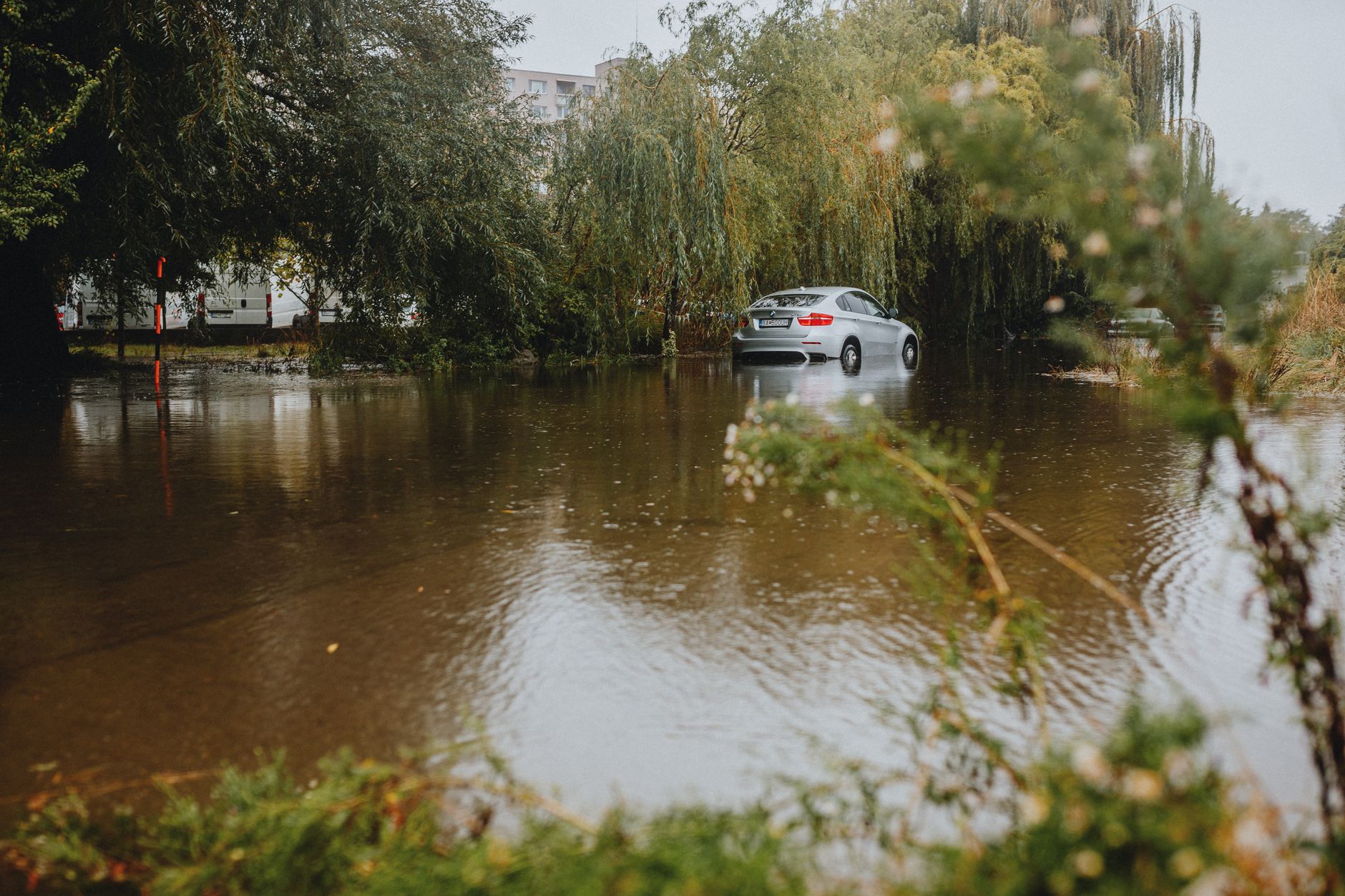
Middlesex County, New Jersey, is taking major oil and gas companies to court, seeking to recover hundreds of millions of dollars for damages caused by worsening climate change impacts. The county, New Jersey's second most populous, has endured severe flooding, extreme heat, and poor air quality, costing its communities dearly. This lawsuit accuses companies like ExxonMobil and Shell of decades of deception regarding climate risks. The action highlights the growing legal battle for accountability as local governments face the escalating financial burden of a warming planet.
Middlesex County has officially filed a lawsuit against several major oil and gas companies, including ExxonMobil, BP, Chevron, and Shell, along with the American Petroleum Institute. The county alleges that these companies knowingly concealed the severe risks of fossil fuel use for decades, leading to the escalating climate crisis we see today. This deception has left communities like Middlesex County to bear the heavy financial costs of adapting to extreme weather.
New Jersey's second most populous county has faced over 60 significant flooding events from coastal storms and heavy rainfall, resulting in more than $500 million in property damage. Recent storms like Irene, Sandy, and Ida alone cost the county nearly $200 million. Beyond floods, residents are grappling with increasing days of extreme heat and unprecedented air quality issues, such as those from recent Canadian wildfires, all of which threaten homes and public health. As scientists say, rising sea levels from climate change make flooding from storms even worse, causing severe disruption as some New Jersey towns recorded over a half foot of rain.
This lawsuit joins over two dozen similar cases filed by other cities, counties, and states across the nation. These legal actions often cite evidence suggesting that fossil fuel companies understood the “catastrophic” potential of climate change years ago but chose to hide this information to protect profits. The timing of Middlesex County's suit is critical, coming just before the U.S. Supreme Court hears a related case from Boulder, Colorado, known as the Suncor v. Boulder case. The Supreme Court's decision could dramatically affect the future of all these climate deception lawsuits, determining whether taxpayers or fossil fuel companies will ultimately pay for the immense costs of a changing climate, as Pat Parenteau wrote in a new piece published in The Conversation.