NJ’s Clean Energy Future: Will it be Law or Just a Promise?

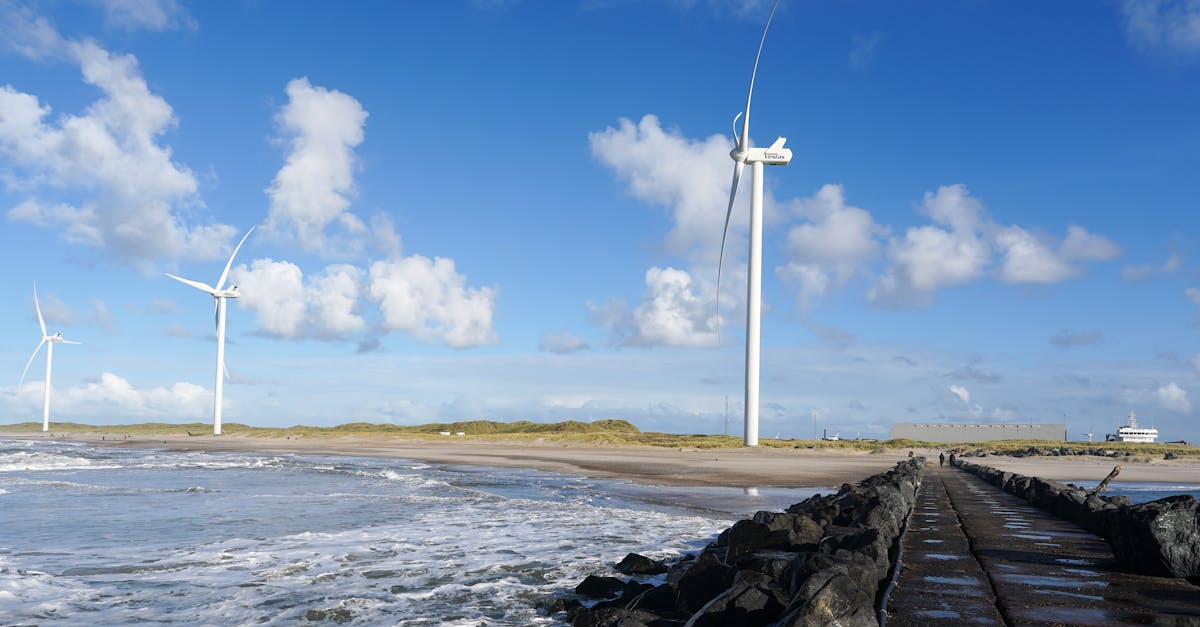
As Governor Phil Murphy's term nears its end, climate advocates in New Jersey are pushing for a landmark bill to enshrine the state’s goal of 100% clean electricity by 2035 into law. This move is crucial to ensure the ambitious environmental target outlasts the current administration, offering long-term stability for climate action. The proposed legislation seeks to accelerate the transition away from fossil fuels, addressing concerns about air quality and rising temperatures while emphasizing the economic and health benefits of sustainable solutions. Its passage is seen as vital for signaling commitment to a cleaner, healthier future for all New Jersey residents.
In a critical legislative push, climate advocates in New Jersey are working to pass a comprehensive bill, the New Jersey Clean Energy Act of 2024, before the current legislative session ends. This bill aims to make Governor Phil Murphy’s executive order for 100 percent clean electricity by 2035 a legally binding mandate. Such a law would commit future administrations, including Governor-elect Mikie Sherrill, to this vital environmental goal, providing clear direction for the state's energy future.
The proposed law strengthens clean-electricity standards, ensuring that all power sold in New Jersey comes from clean sources by 2035. It also requires that a significant portion of renewable energy investments benefit New Jersey directly, fostering local job growth. A key feature is its strict definition of "clean energy," which aims to exclude polluting sources like trash incinerators from qualifying, a significant step for communities burdened by industrial emissions.
Currently, New Jersey's energy mix heavily relies on fossil fuels and nuclear power. The shift to clean sources like solar and wind is urgent, especially given that New Jersey experiences some of the worst air quality in the country and is facing rising temperatures. Experts highlight that clean, renewable energy is not only the fastest and healthiest option but also the most cost-effective in the long run, offering relief from high utility bills by reducing reliance on volatile fossil fuel markets. Advocates emphasize that a robust legal framework provides stability and confidence for investors, accelerating the necessary transition.
Despite recent setbacks, such as the cancellation of two large offshore wind projects, the state's updated Energy Master Plan still targets the 2035 goal by focusing on solar and battery storage. This legislative action is seen as crucial in the face of federal policies that are less supportive of renewable energy, underscoring the importance of state-level leadership. By codifying its climate commitments, New Jersey can ensure a healthier environment and more affordable energy for its residents for generations to come, moving away from a false narrative that blames renewables for high rates.