NJ's Green Future: A Hidden Battle Is Reshaping The Plan!

New Jersey has unveiled an updated Energy Master Plan aiming for 100 percent clean electricity by 2035, a crucial step in its climate strategy. However, this ambitious blueprint faces significant hurdles, including soaring electricity demand from new artificial intelligence data centers straining the regional grid. Federal policy shifts, particularly under a potential second Trump administration, threaten to roll back clean energy support and impose new tariffs. These challenges, coupled with recent spikes in electricity bills, are making it increasingly difficult to achieve reliable, affordable, and clean power, emphasizing the urgency of the state's clean energy transition.
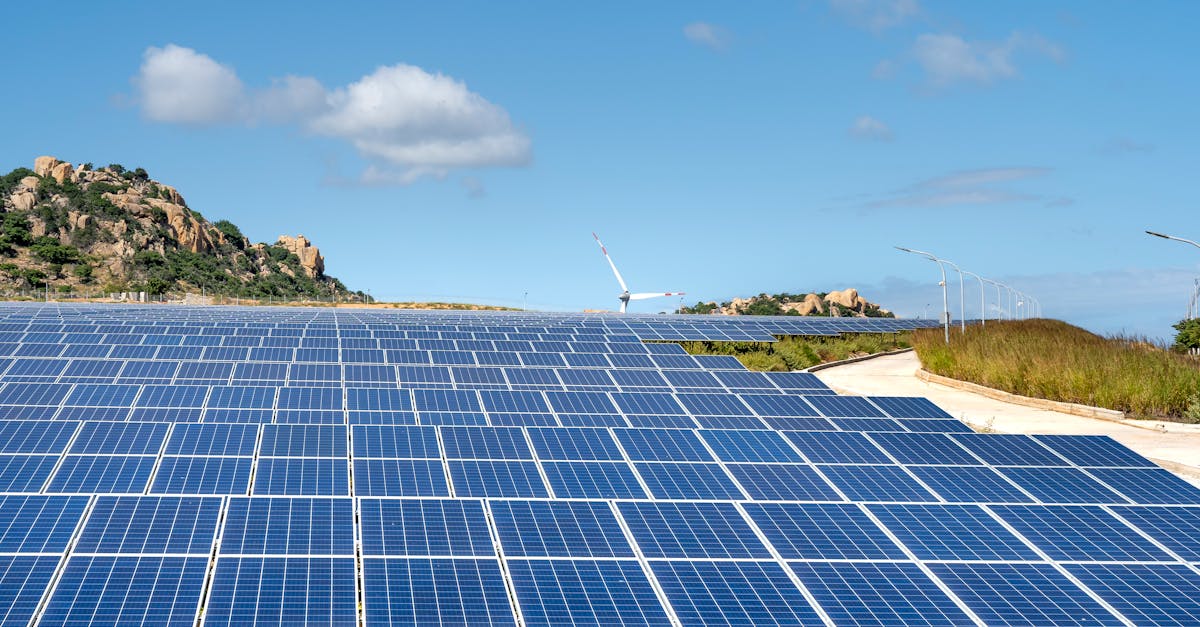
New Jersey recently revealed its updated Energy Master Plan, a bold roadmap aiming for 100 percent clean electricity by 2035 and major cuts in climate pollution by mid-century. This plan is seen as the state's official guide to a greener future, heavily relying on massive expansion of solar power and battery storage. However, achieving these goals is proving tough, as the ground under this ambitious plan is already shifting, bringing unexpected challenges that could derail progress.
One major issue is the sudden surge in electricity demand, largely driven by new artificial intelligence data centers. For years, electricity use was flat or even falling, but now it's growing rapidly, straining the regional grid operator PJM Interconnection that serves New Jersey. This increased demand has led to higher wholesale electricity prices, causing a whopping 20 percent jump in summer electricity bills for residents this year, making energy costs a hot topic. New Jersey officials are urging data center developers to bring their own power sources to help ease the burden.
On top of local demand issues, national political changes are creating strong headwinds. Experts warn that a potential second Trump administration could strip away federal clean-energy tax incentives and impose new tariffs on imported solar and wind equipment. This opposition has already derailed several major offshore wind projects off New Jersey's coast, which were a huge part of the state's plan to reach 100 percent clean electricity by 2035. Losing these projects means the state could be "back at square one" for offshore wind by the decade's end.
Despite these challenges, New Jersey is making progress in areas it can control. The state has seen a massive increase in electric vehicles, growing from 20,000 in 2018 to about 270,000 today, thanks to state incentives. Its solar program, largely state-funded, continues to expand. However, because the Energy Master Plan is currently just a guide and not legally binding, advocates are pushing for a new bill to enshrine the 2035 clean energy goal into state law. This would provide stability for investors and allow residents to hold future administrations accountable, ensuring New Jersey's urgent climate goals remain on track.