North America's Grasslands Vanish: What's Driving the Loss?

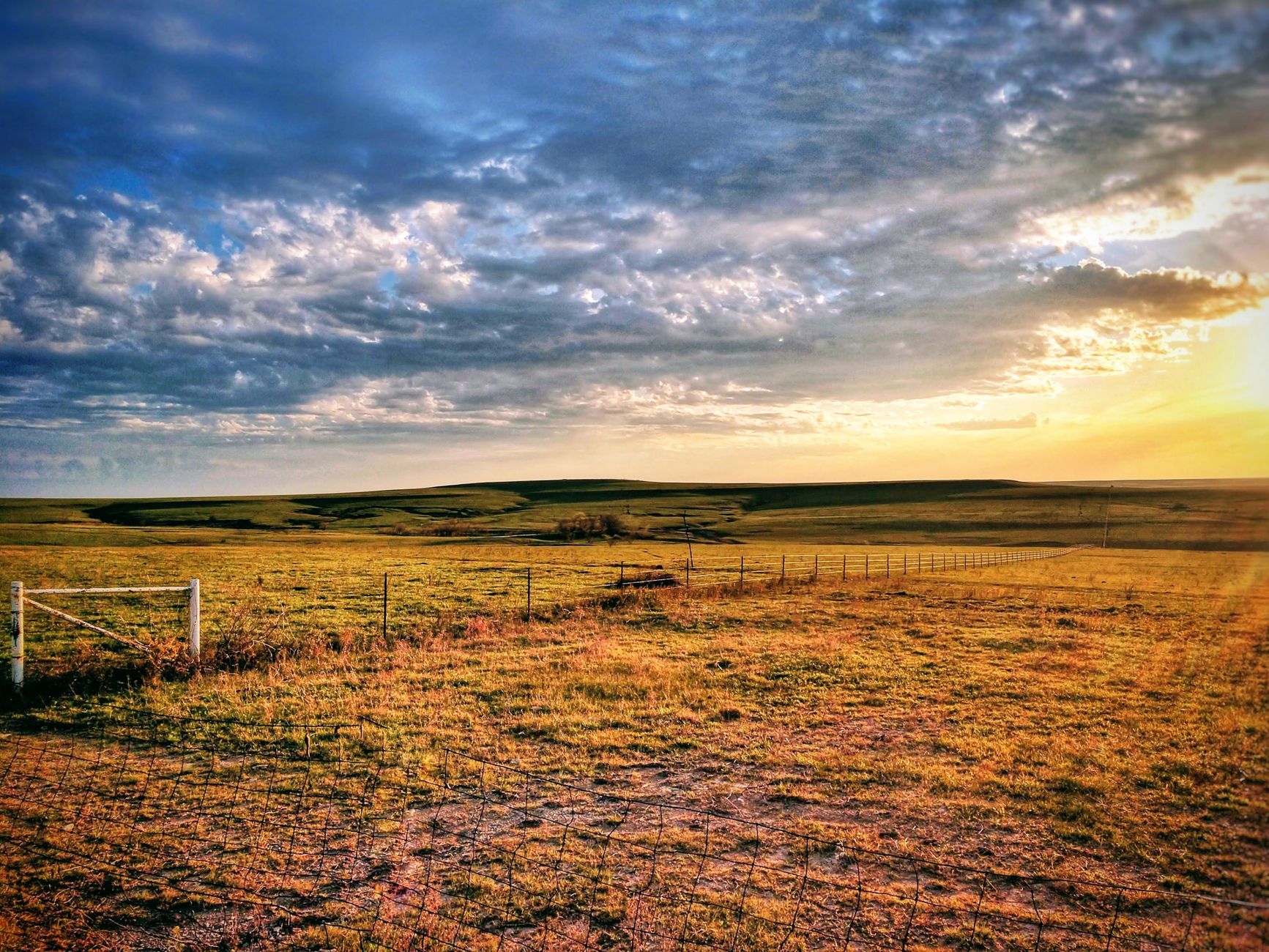
North America's vast grasslands are rapidly disappearing, with nearly 2 million acres plowed under each year, primarily for commodity crops like corn, soybeans, and wheat. A new report by the World Wildlife Fund (WWF) reveals this alarming trend, impacting crucial ecosystems from Mexico to Canada. These grasslands are vital carbon sinks and support diverse wildlife, making their continued loss a significant environmental concern that demands urgent attention.
A recent analysis by the World Wildlife Fund highlights the ongoing destruction of North American grasslands, showing approximately 1.8 million acres were converted in 2023 alone. This extensive loss, driven largely by agricultural expansion, threatens one of the planet’s most overlooked yet imperiled ecosystems. Already, the United States has lost roughly 70 percent of its grasslands to development and farming.
Grasslands are far more than just open fields; they are indispensable to our environment. They store a significant amount of carbon, particularly in their deep root systems, making them less vulnerable to wildfires than forests. However, when these soils are plowed for crops, they can release about 70 percent of their stored carbon. Beyond climate regulation, grasslands are crucial for water quality, support countless species of wildlife, and form the backbone of many rural and tribal communities. Advocacy groups, like those behind the North American Grasslands Conservation Act, emphasize the urgent need for greater protection for these vital areas.
The report details how corn and soybeans are the primary drivers of conversion in the U.S., often used for cattle feed or biofuels. Canada saw the greatest area of conversion, with 4.7 million acres lost between 2019 and 2023, largely for wheat. Mexico, meanwhile, experienced the most rapid relative growth in conversion, indicating a swift expansion of production agriculture there. These figures underscore the pervasive nature of this agricultural sprawl.
Conservationists and researchers are working to bring more attention to this issue. The WWF plans to make future data more accessible with interactive maps, while public awareness efforts like the U.S. Grasslands Campaign aim to spur stronger policy protections. Key solutions include re-evaluating agricultural incentives, such as crop insurance programs, and strengthening tribal leadership in conservation, particularly through initiatives that support bison herds, which are crucial for grassland health. Protecting these natural treasures requires collective action and a shift towards more sustainable land use practices.