Northeast Breathes Easy, But Unseen Air Threat Persists

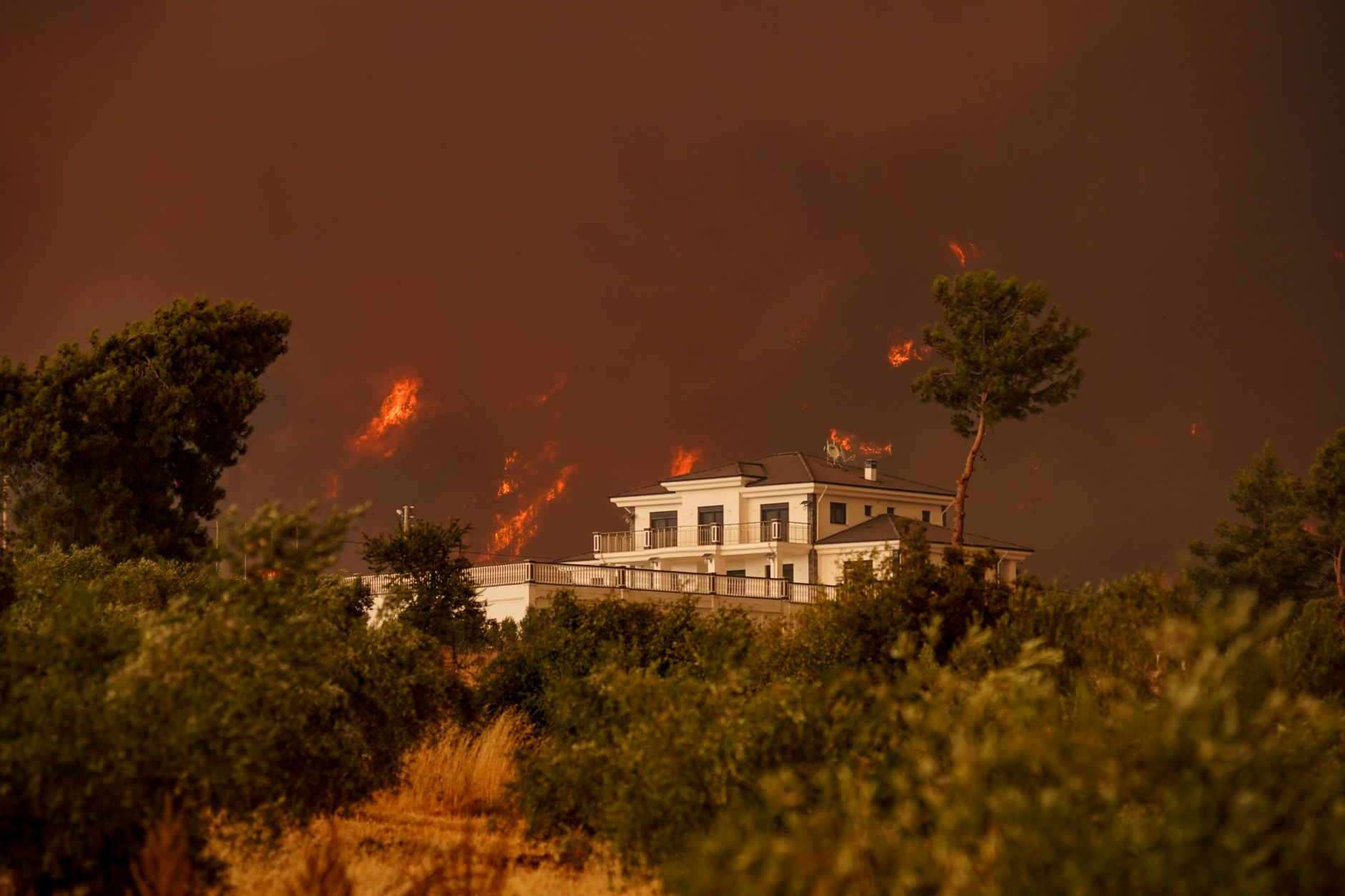
Wildfire smoke from Canadian blazes continues to blanket parts of the U.S., triggering widespread air quality warnings. While thunderstorms are expected to offer temporary relief for the Northeast, clearing the haze for events like the World Cup final, the underlying issue of ongoing fires means unhealthy air will persist for many. This recurring crisis underscores the urgent need for global climate action, as scientists link more frequent and intense wildfires to a changing climate, endangering public health and disrupting daily life across borders. Residents, especially vulnerable groups, are advised to limit outdoor exposure as the long-term health risks are significant.
For days, large parts of the United States, from the Northeast to the Midwest, have been experiencing unusually poor air quality due to smoke from Canadian wildfires. Cities like Detroit, Washington D.C., and Chicago have seen some of the worst air in the world according to IQAir, painting national landmarks in an eerie, orange haze. While meteorologists predict that passing thunderstorms will largely clear the thickest smoke from the New Jersey area in time for Sunday’s World Cup final, this offers only a brief pause. New Jersey Governor Mikie Sherrill warned residents about potential severe weather alongside the smoke.
The relief is temporary because the wildfires continue to burn across Canada and northern Minnesota, largely unchecked. Experts warn that the source of this smoke will persist for at least another week, if not longer. This has prompted serious health warnings, urging people, especially those with existing heart or lung conditions, older adults, and children, to stay indoors. Long-term exposure to this smoke can lead to severe health issues, including respiratory illness and cardiovascular diseases, highlighting the immediate dangers of this environmental crisis. Maria Travela, a Chicago resident with asthma, shared how she had to wear a mask and avoid going outside due to the severe air quality.
This year's wildfire season in places like Ontario is described as unprecedented, with nearly 200 fires already scorching more land than all of last year as shown by the Canadian Wildland Fire Information System. Scientists are clear: these fires are burning longer and faster, a direct consequence of climate change. The situation has even sparked diplomatic tensions, with U.S. officials expressing concern over the smoke and Canadian Prime Minister Mark Carney emphasizing that climate change is a shared global responsibility. Protecting our environment and reducing emissions are crucial steps to mitigate such widespread and dangerous events, underscoring the vital need for sustainable solutions and global cooperation against the climate crisis.