Norway's 'Green' Energy: The Unseen Cost of Progress

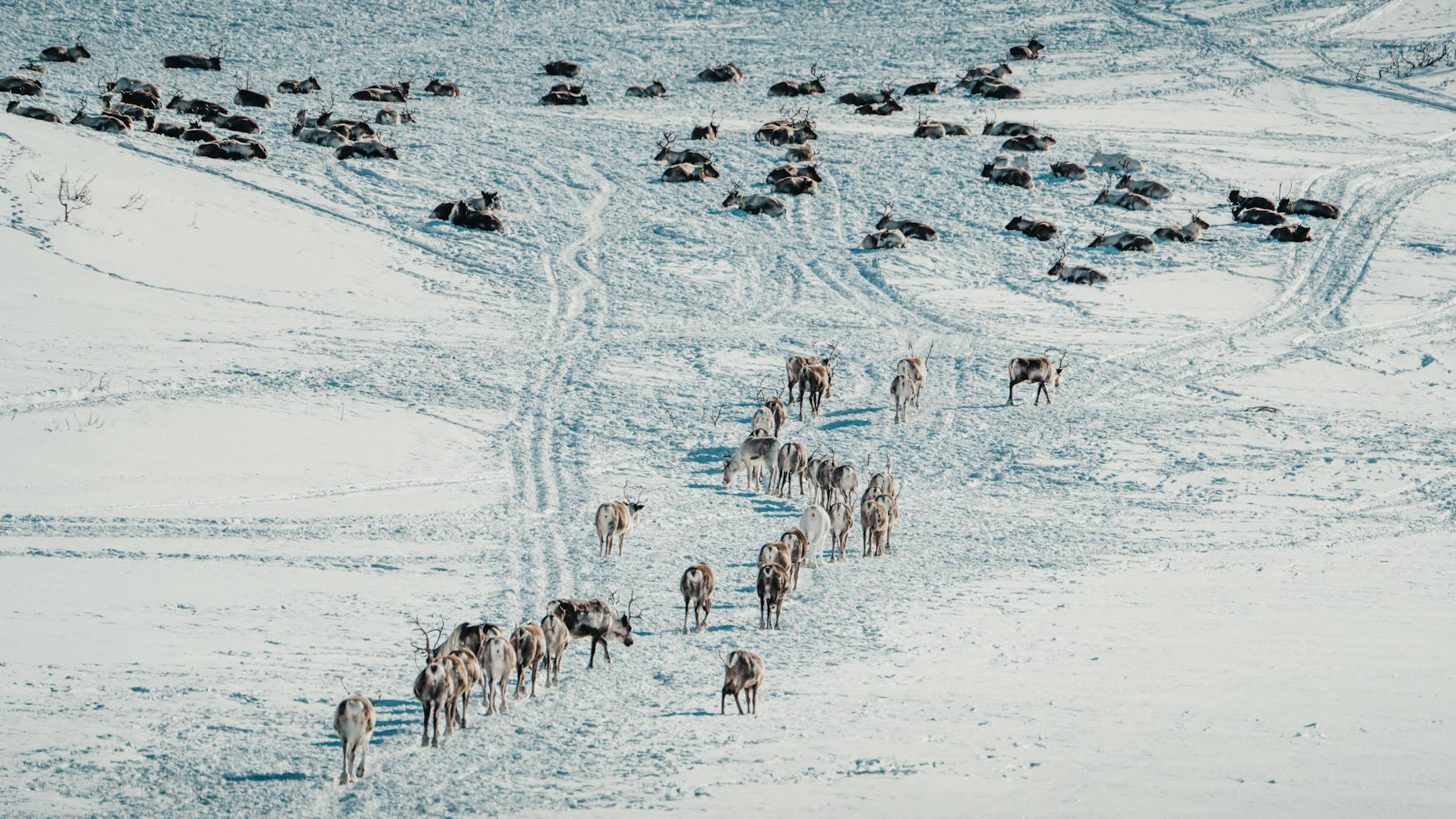
Norway's drive for a 'green energy' future is facing significant pushback, as Indigenous Sámi communities raise concerns about 'green colonialism.' Projects like the electrification of the Melkøya gas plant and new wind farms, while presented as climate solutions, are seen by many Sámi as both prolonging fossil fuel dependency and encroaching on their ancestral lands. These developments severely disrupt traditional reindeer herding, impacting critical migration routes and grazing areas. This conflict highlights the complex challenge of pursuing climate action in a way that truly respects human rights and ecological balance.
Norway's energy giant, Equinor, plans to electrify its Melkøya gas plant, promoting it as a way to cut emissions. However, organizations like Oil Change International and Sámi leaders argue this move could extend the plant's operating life by decades, effectively prolonging fossil fuel use. They suggest this strategy allows Norway, whose economy heavily relies on oil and gas, to reframe industrial activities as climate action, rather than directly addressing its dependency on fossil fuels. This approach, they say, lacks political honesty regarding the true environmental priorities.
For Sámi communities, resistance to such projects is often framed as opposition to 'progress,' leading to accusations of 'green colonialism.' This situation echoes centuries of historical oppression and land encroachment, where Sámi voices and traditional ways of life have been marginalized. Activists report that this misrepresentation can foster social pressure and even racism against Sámi people.
The expansion of green infrastructure, including wind farms, power lines, and roads, profoundly impacts traditional reindeer herding. These developments fragment the landscape, disrupting vital grazing patterns, migration routes, and calving areas. This erosion of flexibility is fundamental to the survival of reindeer herds and the Sámi families who have depended on them for generations, creating a sense of 'claustrophobia' in their ancestral lands.
Sámi communities face a 'double burden': the Arctic is warming much faster than the global average, making their traditional practices already challenging. Simultaneously, their lands are increasingly targeted for large-scale green energy projects, further limiting their adaptability. This raises questions about how climate solutions are implemented and whether they truly contribute to ecological balance and cultural continuity.
The Sámi Parliament has launched legal challenges against the Norwegian state, arguing that authorities failed to adequately consult Indigenous communities, violating international standards like the International Labour Organisation Convention 169. Although their initial case was dismissed, an appeal is underway. Sámi leaders emphasize that a just transition doesn't require new laws, but rather the political will to uphold existing legal obligations, ensuring that climate action truly benefits all and does not perpetuate historical injustices. As one herder put it, "What is the value of reaching a target on paper if it does not benefit the reality we are immersed in?"