NY Wetlands Lose Key Shield. What Happens Next?

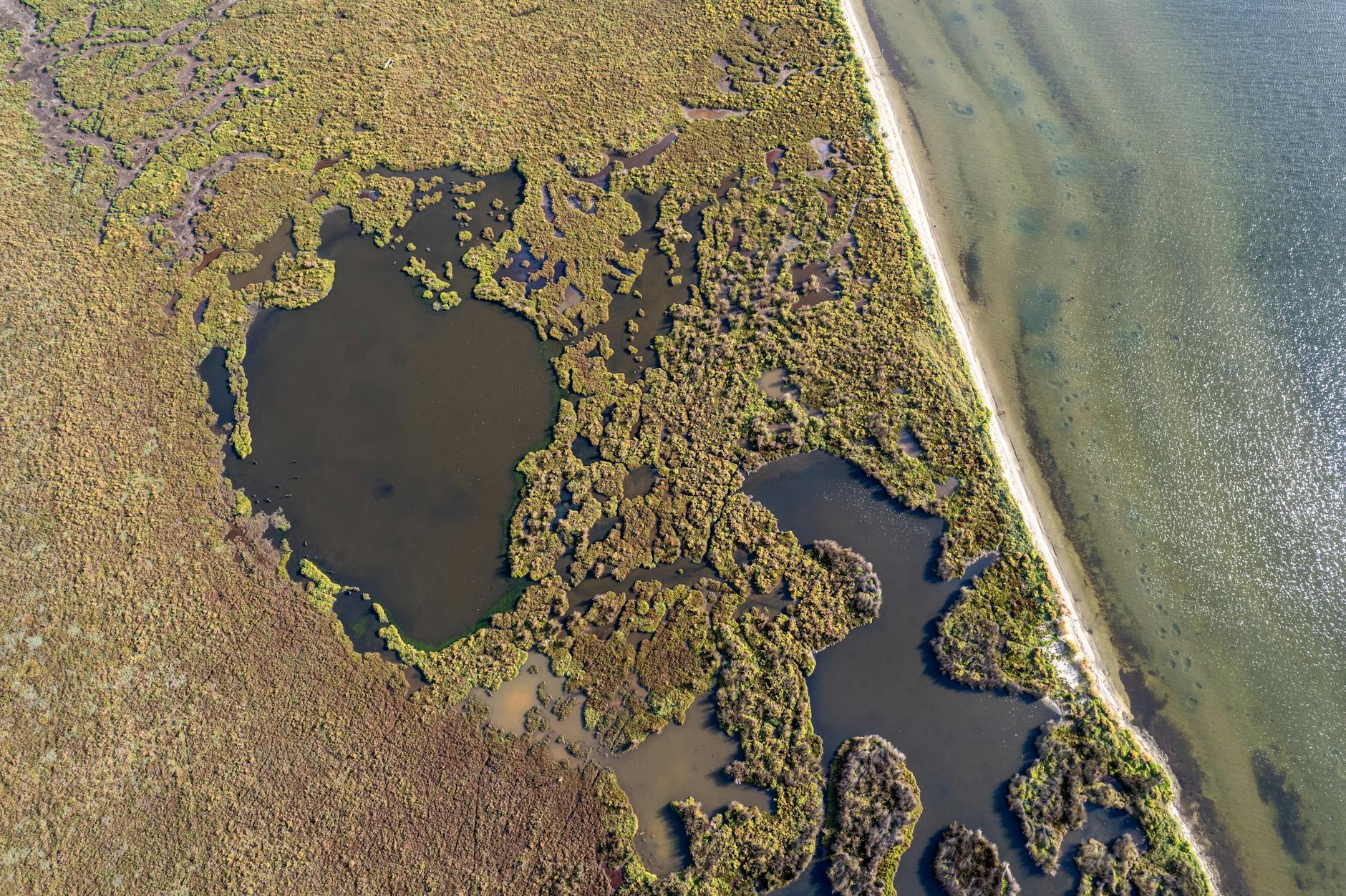
A recent court decision in New York has delayed crucial protections for over a million acres of vital wetlands across the state. In 2022, the legislature aimed to safeguard these areas, especially those of "unusual importance" that filter water, host diverse wildlife, and act as critical buffers against climate change-driven extreme rainfall. Now, due to the ruling, the state's Department of Environmental Conservation (DEC) cannot enforce protections for these special wetlands until new regulations are drafted, a process that could take years. This legal limbo leaves invaluable natural resources vulnerable, highlighting the urgent need for environmental action amidst a changing climate.
Four years ago, New York lawmakers took a significant step to better protect the state's wetlands. An amendment to the 1975 Freshwater Wetlands Act expanded the state Department of Environmental Conservation's (DEC) authority to cover over a million additional acres. This included all wetlands larger than 12.4 acres and those deemed "unusually important" regardless of size, many of which were previously unmapped. These special wetlands are crucial for clean water, flood protection in urban areas, and supporting wildlife like amphibians and rare plants, especially as climate change brings more extreme weather.
However, a New York judge recently struck down the DEC's implementing regulations for this protective law. While the 2022 law technically remains, the DEC currently lacks the means to enforce protections for these "unusual importance" wetlands. This situation effectively leaves many of these critical habitats in legal limbo, potentially for several years, giving developers a window to pursue projects without fully addressing their impact on these sensitive areas, a concern shared by groups like the National Audubon Society, as noted by Erin McGrath.
The court's decision wasn't against the law itself, but rather found that the DEC had not adequately considered all potential environmental effects beyond wetlands, such as urban sprawl, as required by the state's Environmental Quality Review Act. The DEC has chosen not to appeal, instead focusing on developing new, compliant regulations. This complex process is expected to be challenging and could take years, leaving the fate of many wetlands uncertain in the interim. Developers, represented by groups like The Business Council of New York State through Ken Pokalsky, had argued the original regulations were too broad.
Wetlands are irreplaceable natural assets. They are powerful flood buffers, capable of holding immense amounts of water during heavy rains, and they naturally filter our drinking water. They also provide essential habitats for a wide array of biodiversity, including species relying on temporary vernal pools. New York has already lost 60 percent of its historical wetlands, and once damaged, these ecosystems are incredibly difficult to restore. Protecting them is a vital part of adapting to and mitigating the impacts of global warming.
The urgency to protect these wetlands is even greater given recent federal changes. Fewer wetlands nationwide now receive federal protections following the U.S. Supreme Court’s decision in Sackett v. Environmental Protection Agency. Furthermore, the Trump administration has proposed a new rule that could strip protections from all but 14 percent of freshwater wetlands nationwide. This makes strong state-level regulations even more critical to safeguard these natural resources, as emphasized by Rob Hayes of Environmental Advocates NY. Until New York's new state regulations are in place, environmental advocates are urging communities and local officials to uphold the highest environmental standards and become watchdogs for these invaluable resources.