NYC's Hidden Crisis: Where Will 2026's Trash Go?

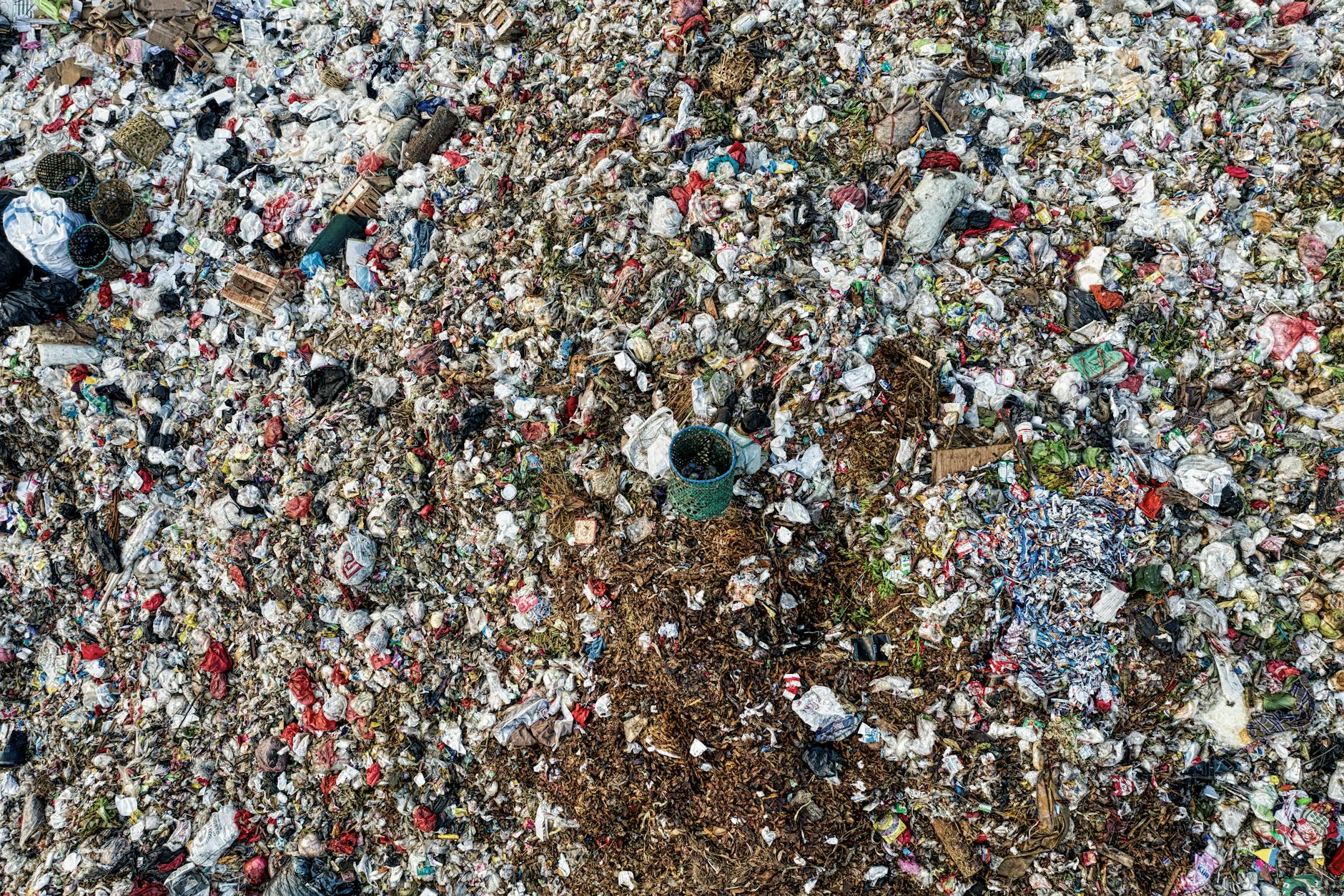
New York City faces a looming crisis as its landfills rapidly fill up, with current capacity projected to run out within 16 to 25 years. This forces the city to transport most of its waste hundreds of miles away, generating more pollution and straining resources. Local communities are strongly opposing the expansion of existing landfills due to environmental concerns like potent methane emissions, a greenhouse gas significantly more impactful than carbon dioxide, and toxic leachate polluting waterways. The situation underscores an urgent need for sustainable waste solutions, emphasizing recycling and composting to protect our environment and mitigate climate change.
New York City is facing a critical trash problem as the landfills handling its massive waste load rapidly fill up. Over two-thirds of the city's garbage is shipped hundreds of miles away, but even these sites are nearing capacity, with state projections showing New York could run out of space within 16 to 25 years draft. Efforts to expand major facilities, like Seneca Meadows, face intense local opposition due to environmental and health concerns.
These landfills are significant environmental hazards. They constantly release methane, a powerful greenhouse gas 86 times more potent than carbon dioxide, critically accelerating climate change. Seneca Meadows alone is New York's single largest source of methane emissions. Landfills can also leak toxic liquid, or leachate, contaminating soil and groundwater, potentially harming waterways. Furthermore, the diesel trucks transporting trash worsen air quality, contributing to respiratory illnesses in communities along their routes.
Residents near landfills, like Mark Pitifer near Seneca Meadows, regularly endure "raw, rotten" smells. Environmental groups like Seneca Lake Guardian actively fight expansions, highlighting the burden placed on local communities. With new landfill sites nearly impossible to permit due to public resistance, New York City faces the costly and polluting prospect of hauling waste even farther, underlining a regional crisis.
Fortunately, much of New City’s waste doesn't have to end up in landfills. Studies show 73 percent of the city's trash could be recycled or composted, yet only about 20 percent is currently diverted. This means most recyclable plastics, metals, and glass are simply discarded. Boosting participation in programs like the city's relaunched mandatory composting initiative could significantly reduce landfill volumes, especially since about a third of the city's waste is compostable.
Embracing these sustainable solutions is crucial. It's about more than just trash space; it's about protecting our planet, safeguarding public health, and mitigating climate change. By prioritizing waste reduction, comprehensive recycling, and composting, we can drastically cut harmful emissions, prevent pollution, and move away from a "throwaway culture" towards a cleaner, more sustainable future for New York and everyone.