NYC's Power Grid Faces a Critical Challenge This Summer. What's Next?

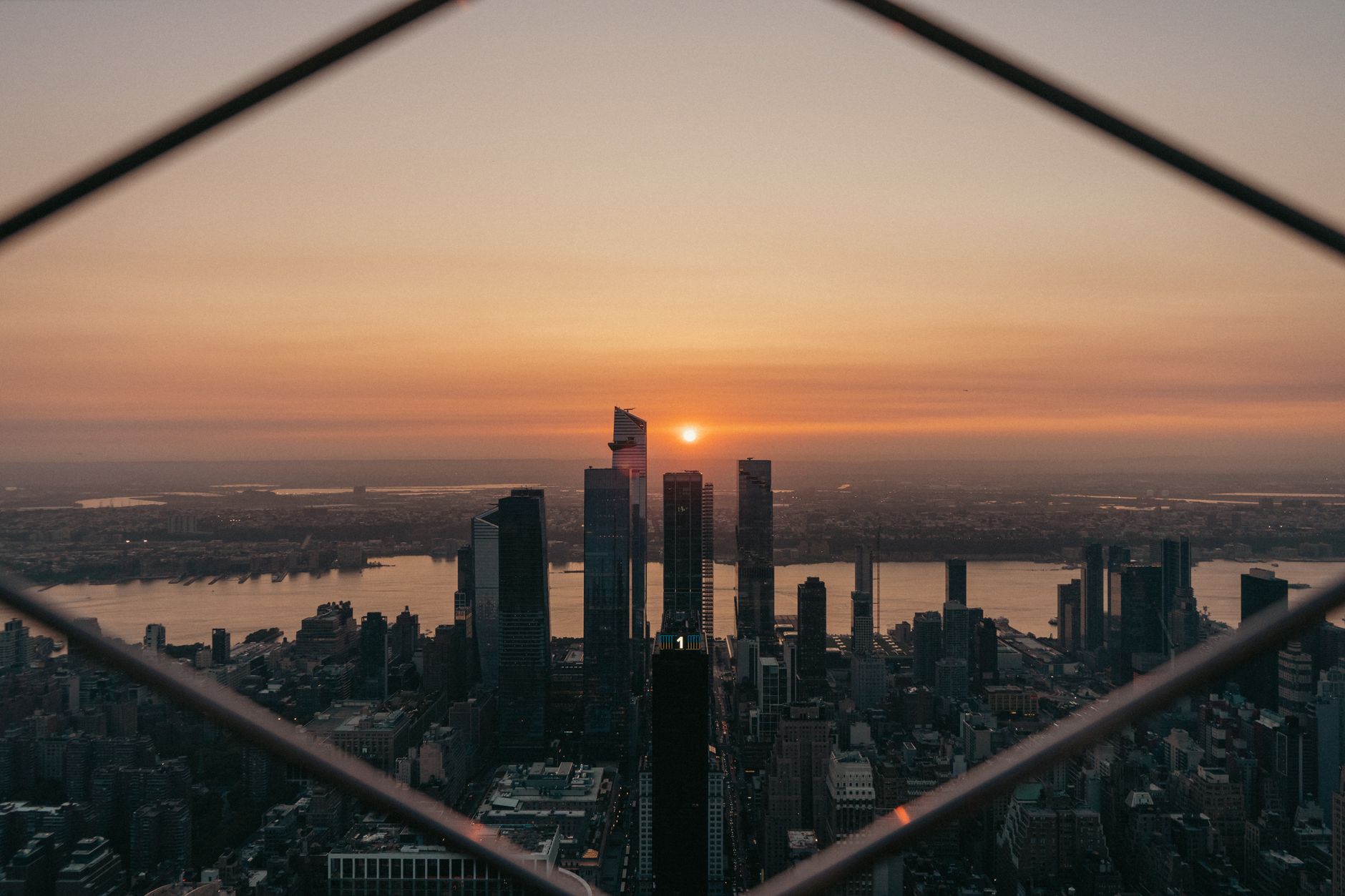
New York's power grid is increasingly strained, struggling to meet demand during intense heatwaves that are becoming more frequent. This has led to power outages and calls for conservation, revealing a critical vulnerability. The challenge stems from rising electricity use—driven by climate change, new technologies, and a reliance on outdated infrastructure—threatening potential supply shortfalls. Addressing this urgent situation requires a rapid shift to clean, sustainable energy sources to ensure reliable power and protect public health.
New York's electricity grid is feeling the pressure as temperatures rise, leading to more frequent alarms and power outages. Recently, nearly 10,000 people in Southeast Queens lost power during a July heatwave, prompting Mayor Zohran Mamdani to ask residents to adjust their air conditioning to ease the strain. Last year, the system operator had to activate its emergency programs a record 22 times to prevent blackouts, mostly during summer heat. This signals a growing problem: New York faces an elevated risk of not having enough electricity when demand peaks, especially during extreme weather, according to a recent report.
The issue is compounded by increasing electricity use from sources like new chip manufacturing facilities, data centers, and the shift to electric heating and stoves. While electrifying our homes and industries offers huge environmental benefits, moving away from fossil fuels, it also means our grid needs to keep up. Many of the natural gas power plants in southern New York, some of the oldest in the country, are still running because demand is so high. These "peaker" plants, often less efficient and more polluting, are critical for now, but also pose an environmental challenge. State law requires their retirement, but only if enough clean power and battery storage are available to take their place.
To avoid grid failures and move towards a cleaner future, an aggressive expansion of renewable energy and battery storage is essential. This would also reduce our reliance on natural gas, which can have unpredictable prices. However, building these new clean energy projects faces hurdles, from red tape slowing down small solar panel installations to high costs and long approval processes for larger facilities. Even offshore wind projects, vital for meeting the state's emissions goals by 2050, have seen delays and cancellations.
City and state leaders are looking at solutions, including streamlining regulations for small, distributed energy projects and exploring how city-owned land can host more solar and battery storage, as suggested in a report by the city comptroller. These smaller, local solutions can help meet demand and take pressure off the main grid. Ultimately, ensuring a stable, clean energy supply isn't just about keeping the lights on; it's about protecting public health during extreme heat and accelerating our transition to a sustainable future, free from polluting fossil fuels.