NYC's Subway Sauna Problem: A Surprising Underground Solution?

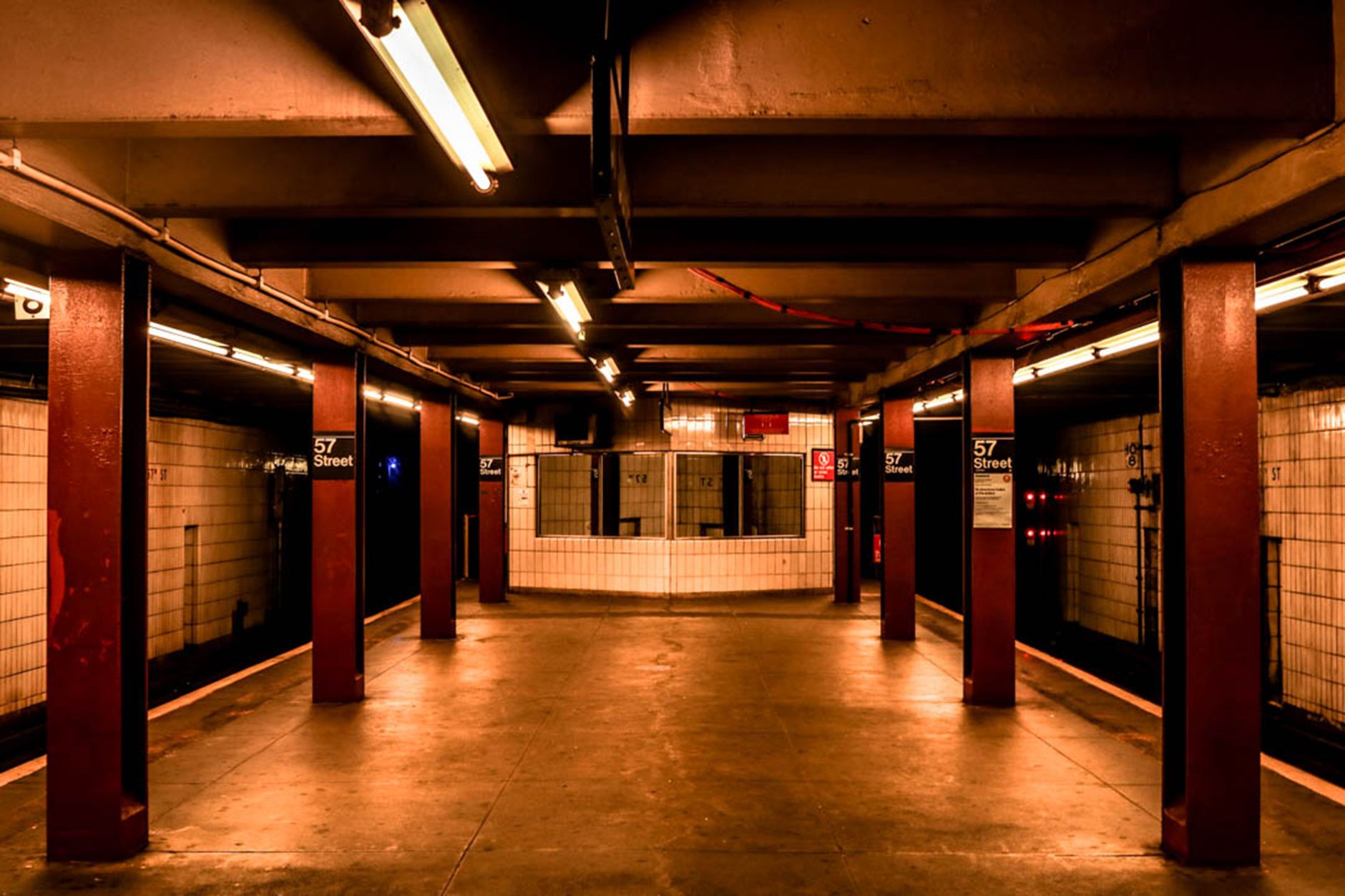
New York City is launching a pilot program to explore a groundbreaking solution for its notoriously hot subway stations: thermal energy networks. With temperatures often turning platforms into "underground saunas," this $800,000 study aims to harness the Earth's stable underground temperatures for cooling. This innovative approach not only promises relief for commuters but also highlights a critical step towards more sustainable infrastructure. Addressing this challenge is increasingly urgent as climate change continues to bring hotter summers to the city. It’s a bold move for a century-old transit system.
Anyone who has waited on a New York City subway platform in summer knows the stifling heat. Trains, equipment, and the surrounding infrastructure all generate immense warmth, pushing underground temperatures far above those at street level. This isn't just uncomfortable; it's a health and safety concern, as pointed out by city officials, especially with record-breaking summers becoming the norm. The MTA has been working to combat this problem since at least 2023, recognizing that the operational heat generation from braking trains and AC units only makes it worse, as detailed in a climate resilience report.
Now, New York is piloting a new strategy: using thermal energy networks. This system circulates water through underground pipes to manage heat. By tapping into the Earth's naturally consistent temperatures deep below the surface, it can absorb heat from stations in the summer and potentially store it for use in heating nearby buildings during winter. This approach offers a smart, sustainable way to tackle extreme heat without relying on traditional energy-intensive cooling methods.
The initial $800,000 study, funded by the city's congestion-pricing program, will focus on two of the city's "sweatiest" stations: Brooklyn Bridge-City Hall, which hit average temperatures of 96 degrees last summer, and Chambers Street, serving over 18,000 daily riders. If successful, this could make New York the first state to integrate thermal energy into its subway system, offering significant energy savings and a greener footprint.
This pilot reflects a growing statewide interest in thermal energy, with utilities and property owners increasingly adopting the technology. Laws passed in 2022 allow utilities to operate these networks, leading to numerous pilot projects across New York. These projects show how clean energy solutions are becoming more mainstream and critical for our future.
The urgency behind these efforts is clear. A 2024 report from the New York City Panel on Climate Change warns that by the 2080s, the number of days above 82 degrees Fahrenheit in the city could nearly double. This makes sustainable infrastructure upgrades like thermal cooling essential not just for comfort, but for adapting to our changing climate. Embracing electrification and innovative solutions is vital for protecting public health and ensuring our cities remain livable in the face of global warming.