OC Creeks: What's Making the Green Turn Brown? [Community Rises]

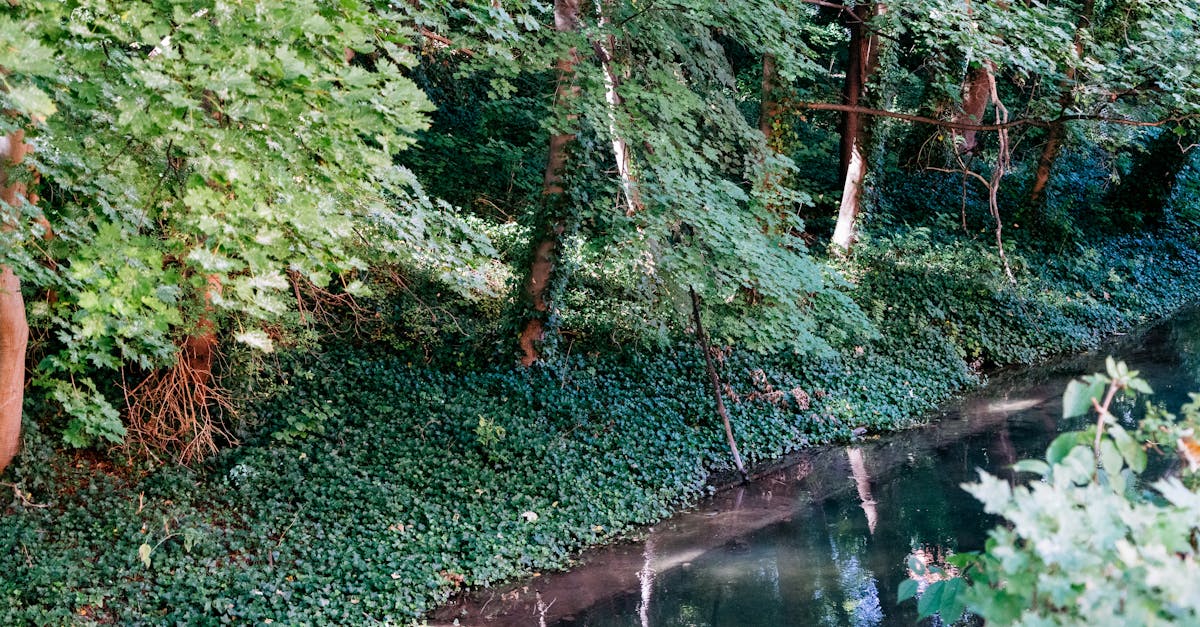
Orange County residents are raising alarms about the health of local waterways like San Juan and Trabuco creeks. They've observed once-lush vegetation turning brown and birds disappearing, leading to fears that herbicides used for flood control are poisoning these vital ecosystems. This growing concern has sparked a powerful social media movement, pressuring county officials to address public outcry. The situation highlights a crucial tension between protecting natural environments and managing public safety through infrastructure, underscoring the urgency of finding sustainable solutions for our shared resources.
The alarm was first raised by Brent Linas, a local resident, who noticed drastic changes along his running routes, prompting him to launch the Creek Team OC Instagram account. His efforts, alongside other concerned citizens, have revealed that the county uses various herbicides, including glyphosate (a key ingredient in Roundup), triclopyr, and imazapyr, to manage vegetation. These chemicals are intended to keep flood channels clear, but residents argue they are destroying natural habitats, with San Juan Creek feeding directly into the popular Doheny State Beach, raising concerns among surfers and families.
Orange County Public Works defends its practices, stating that vegetation management is crucial for flood protection and public safety. They claim chemicals are applied in a targeted manner, adhering to regulations. However, the State Water Resources Control Board found the county submitted "incomplete, inaccurate, or inconsistent" data regarding its herbicide use in 2024, prompting a review.
Supervisor Katrina Foley has expressed her general opposition to using herbicides in waterways, pushing for the "least toxic alternative possible." While she emphasizes the county's need to prevent flooding, she's explored options like hand weeding or even grazing goats. The county has confirmed it stopped using Roundup in San Juan and Trabuco flood channels in January 2025 following her complaint. Still, documents show other herbicides were sprayed later that year, and plans exist to spray over 2,000 acres in dozens of channels in 2026.
The core of the conflict lies in differing views: the county sees these areas primarily as functional flood channels, while residents like Linas see them as vital natural creeks. He points to neighboring San Diego County, which manages its waterways with manual methods, allowing ecosystems to flourish. The broader environmental impact is significant, potentially affecting endangered Southern California steelhead trout and posing health risks to nearby communities. Protecting these natural systems is essential for biodiversity and the well-being of the entire region.