Occidental's Permian Move: What's Next for CO₂ and Oil?

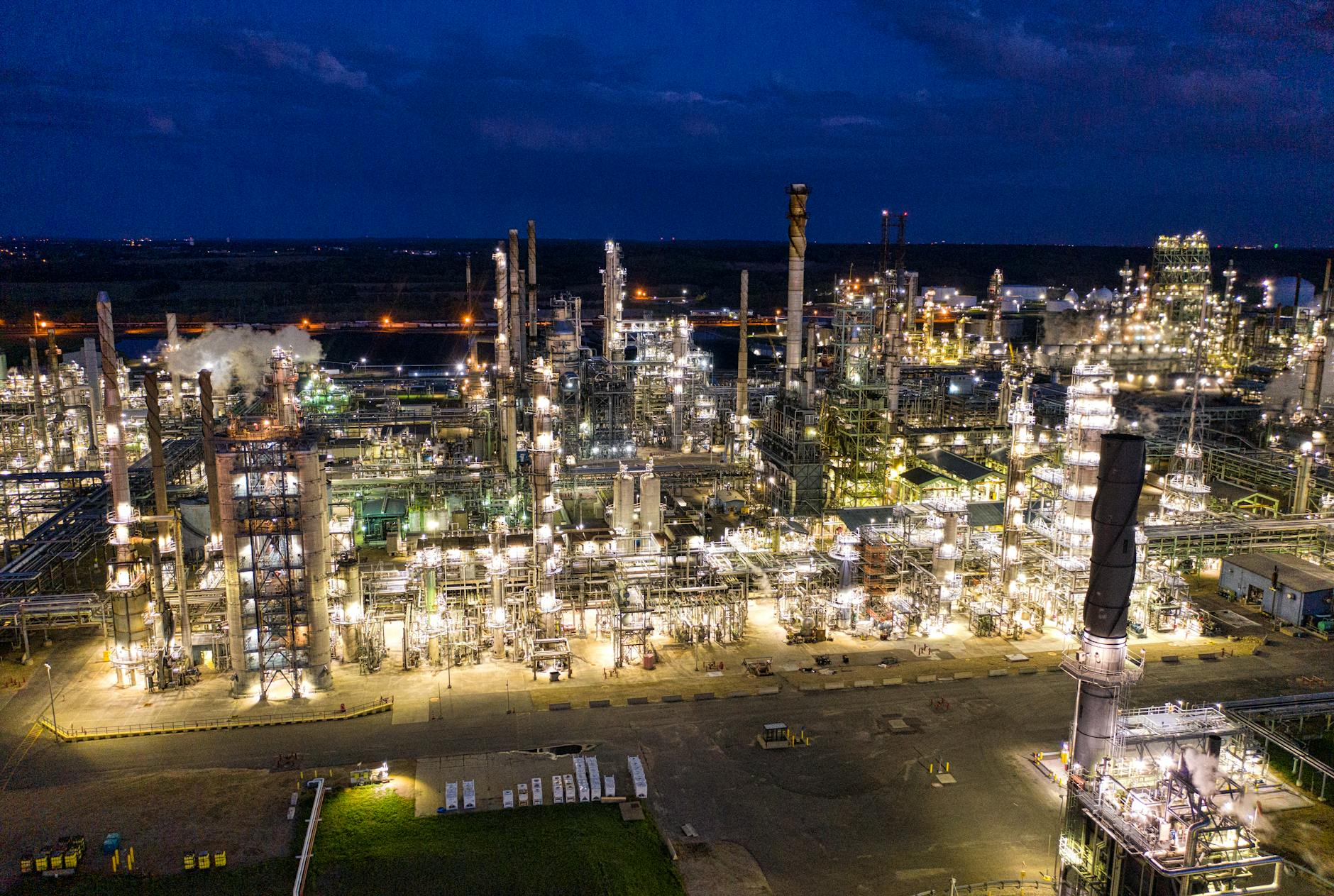
Occidental Petroleum has signed key agreements to secure 2 million metric tons of captured carbon dioxide (CO₂) annually for its oil recovery operations in the Permian Basin. This move, expected to start delivering CO₂ by 2029, will help extend the life of existing oil fields. While it represents a significant step in carbon management, experts highlight the ongoing need to assess the full climate impact of such endeavors, emphasizing that using captured CO₂ for oil extraction doesn't automatically mean carbon-neutral production.
Occidental Petroleum is making a big push into carbon management by securing a massive supply of captured CO₂ for its operations in the Permian Basin. These new agreements will see project developers building capture facilities and nearly 100 miles of new pipelines to transport CO₂ from natural gas processing plants.
This captured CO₂ will be used for enhanced oil recovery (EOR), a technique where CO₂ is injected into underground oil reservoirs to help push out more trapped oil. The Permian Basin is a crucial region for U.S. energy, producing roughly 48% of the nation's crude oil, making it an ideal location for such projects. Access to a steady CO₂ supply can significantly extend the productive life of these fields.
However, it's vital to consider the broader environmental picture. While this process reuses CO₂, it's important to remember that the climate benefit isn't automatic. The true impact depends on how much CO₂ stays permanently stored underground, the emissions generated during the capture and transport processes, and the lifecycle emissions from burning the additional oil produced. The U.S. Energy Information Administration (EIA) confirms the Permian's significant output, underscoring the scale of operations involved.
This initiative comes as the global carbon capture and storage (CCS) industry sees a surge in investment. According to the Global CCS Institute, there were 113 commercial CCS projects operating worldwide as of July 2026, with another 56 million metric tons of capture capacity under construction. The International Energy Agency (IEA) reported that investment in carbon capture, utilization, and storage (CCUS) topped $5 billion in 2025, a dramatic increase from just five years prior.
Occidental's strategy is to grow its carbon management business by securing third-party CO₂ supplies and expanding infrastructure that can connect various industrial emission sources. These new pipeline networks in the Delaware Basin could open doors for more carbon capture projects across the region. While these agreements show a growing interest in carbon solutions within industrial sectors, their long-term success hinges on strong economics, reliable CO₂ supplies, and a clear demonstration of measurable, lasting reductions in emissions.