Ocean Claims Homes: Why FEMA Rules Make Owners Wait [Erosion Crisis]

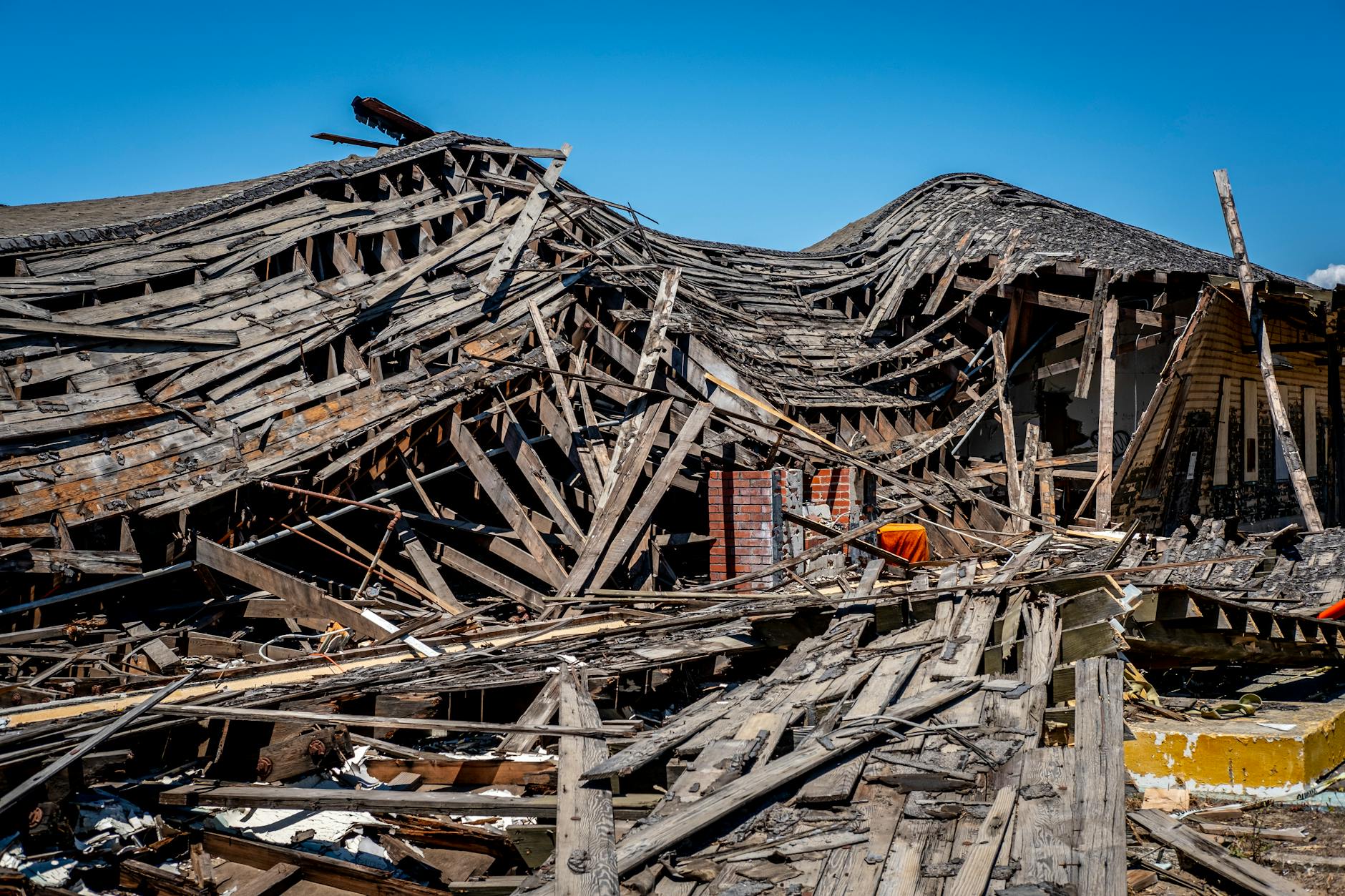
Along the United States' coasts, homes are increasingly vulnerable to the relentless forces of erosion and rising sea levels, exacerbated by climate change. In North Carolina alone, dozens of houses have fallen into the ocean since 2020, with over a hundred more at imminent risk. A crucial federal policy, managed by the Federal Emergency Management Agency (FEMA), is creating a perverse incentive: homeowners are paid only after their houses collapse, not before, leaving them in a devastating bind. This not only causes immense personal hardship but also leads to widespread environmental pollution as debris washes into sensitive ecosystems.
Richard Foreman's vacation home, once a popular rental in Rodanthe, North Carolina, now stands stranded on stilts far into the beach, its stairs long gone. The rising ocean has steadily eroded the sand, a stark reminder of the escalating challenge facing coastal communities. More than 100 homes on North Carolina’s barrier islands face similar fates in the coming decade due to erosion and accelerating sea level rise.
The core of the problem lies with FEMA, which provides most residential flood insurance. Homeowners are incentivized to wait for their properties to collapse before receiving a payout, as there is currently no federal mechanism to compensate them for proactively demolishing or relocating a threatened home. This leaves many in a desperate situation, unable to afford the tens or hundreds of thousands of dollars required for removal, while their investment slowly becomes uninhabitable.
This waiting game has severe environmental consequences. When homes fall into the ocean, they leave behind tons of debris, polluting beaches and marine environments for miles. The National Park Service alone has collected over 480 tons of wreckage in coastal North Carolina in just 18 months, highlighting the hidden costs borne by taxpayers and the environment.
A previous federal solution, the Upton-Jones Amendment from the 1980s, allowed homeowners to access insurance funds for demolition or relocation before collapse. However, it was repealed in 1994 due to concerns about cost and perceived misuse, with some property owners reportedly delaying action.
Now, under renewed pressure from homeowners and local officials, a bipartisan group in Congress is attempting to reinstate a revised version of the Upton-Jones law. This new proposal aims to provide a proactive option before disaster strikes, with safeguards against the issues of the past. However, the bill is currently stalled in the House of Representatives, partly due to broader challenges affecting FEMA’s budget and workforce.
Without a sustainable federal solution, communities are left to implement expensive, temporary measures like beach nourishment and seawalls, which merely buy time against the inevitable. Climate scientists like Reide Corbett of East Carolina University emphasize that for many coastal areas, the only long-term solution is to retreat from the front line, but current policies make this nearly impossible for property owners. The urgency of addressing climate change and its impact on sea level rise demands smarter, more sustainable strategies to protect both property and the environment.