Ocean Guardians Win: Landmark Protections Now Shield Our Seas

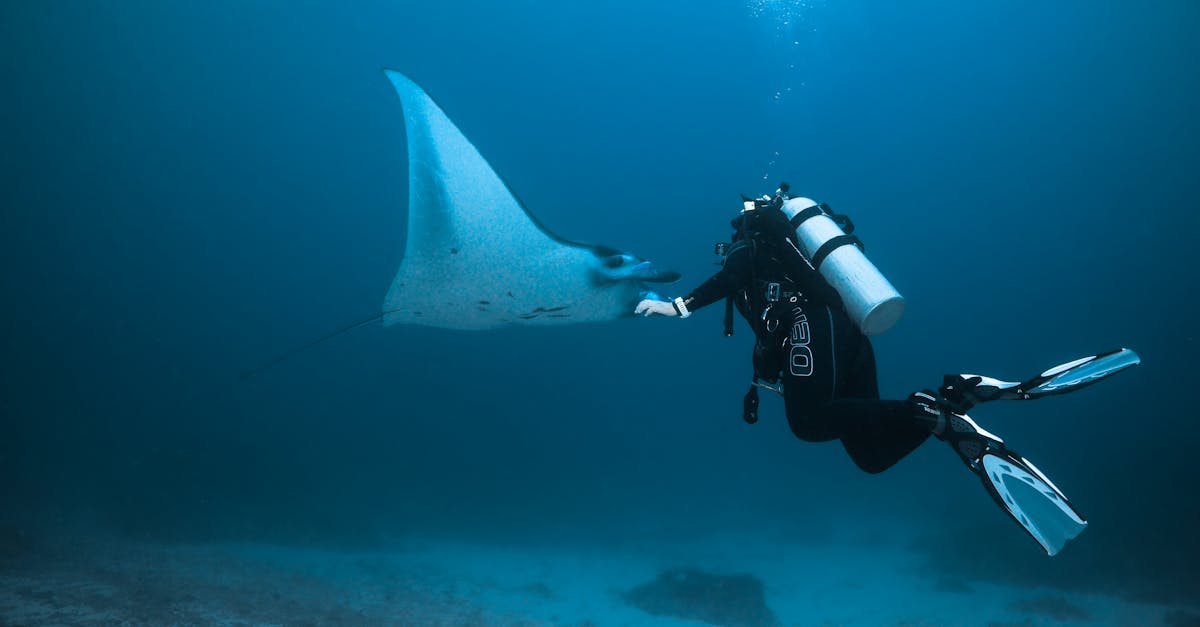
In a crucial move for marine life, global governments have agreed to unprecedented international trade bans and restrictions for over 70 species of sharks and rays. These vital apex predators, which play a critical role in maintaining healthy ocean ecosystems, have faced a silent extinction crisis due to decades of unregulated trade. Adopted at the CITES CoP20, these new safeguards offer a significant chance for these populations to recover, marking a turning point in global marine conservation efforts.
Sharks and rays are the ocean's silent guardians, acting as apex predators that keep marine ecosystems balanced and healthy. Yet, a global market worth nearly $1 billion annually, driven by demand for their meat, fins, and other products, has pushed over a third of these species to the brink of extinction. Some open-ocean shark populations have plummeted by over 70 percent in just 50 years, and reef sharks are disappearing from one in five coral reefs worldwide.
Unlike many fish that reproduce rapidly, sharks and rays grow slowly and have few offspring. A manta ray, for instance, might only give birth to seven pups in its entire life. This makes them incredibly vulnerable to overfishing. Their products are used in various ways: shark fins are a luxury food, meat is a low-cost protein or animal feed, gill plates are sought for traditional medicine, and liver oil, rich in squalene, is a key ingredient in cosmetics and even some pharmaceuticals. Experts emphasize that synthetic alternatives for squalene exist, making the exploitation of these sharks unnecessary.
Responding to this urgent crisis, nations at the Convention on International Trade in Endangered Species of Wild Fauna and Flora (CITES) COP20 have adopted sweeping new protections. For the first time, all proposed safeguards for sharks and rays were approved with near-unanimous support from 185 member countries. Species like oceanic whitetip sharks, whale sharks, and manta rays are now listed under Appendix I, banning all international trade. Other vulnerable species, such as gulper and smoothhound sharks, are now under Appendix II, requiring strict regulation to ensure trade is traceable and sustainable. This collective global commitment represents a powerful step towards halting the illegal wildlife trade and fostering ocean recovery.
However, the fight isn't over. Past protections, like an earlier Appendix II listing for oceanic whitetip sharks, revealed significant gaps, with genetic analysis showing much more illegal trade than officially reported. While these new, stronger listings won't end illegal trade overnight, they significantly boost countries' ability to detect and prosecute illegal shipments. The success of these landmark protections hinges on robust implementation, consistent monitoring, and investment in identification tools to ensure these magnificent creatures truly get a chance to thrive once more.