Offshore Wind Projects Paused: Are Security Claims Real?

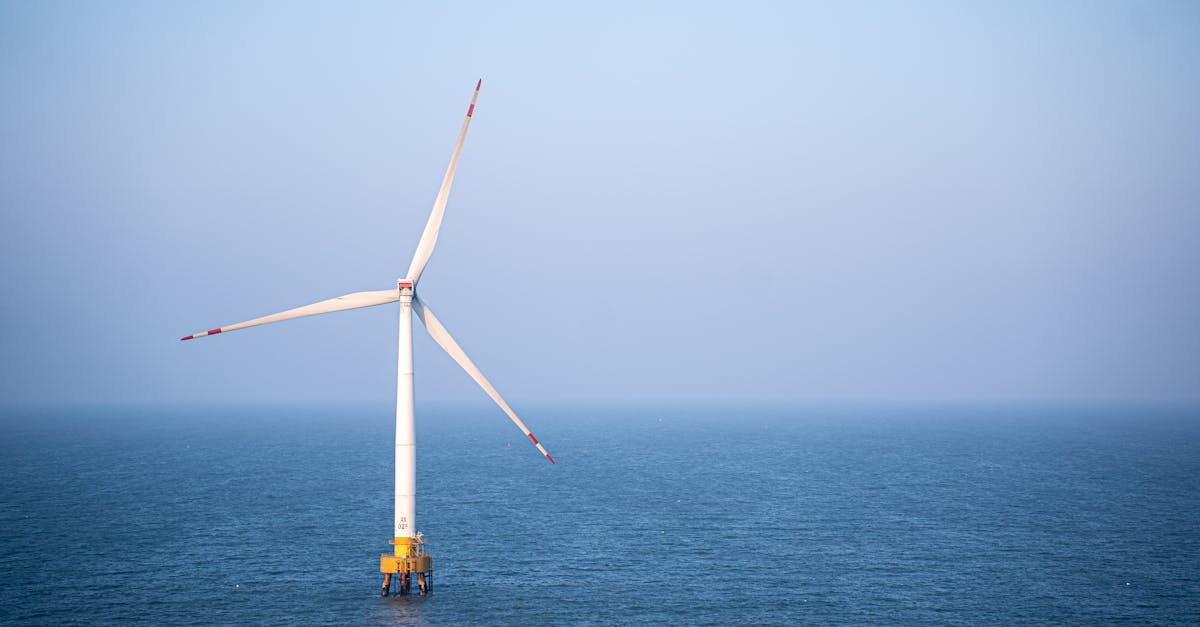
The Trump administration has unexpectedly paused all major offshore wind energy projects across the U.S., citing newly identified national security risks. This decision, announced by the Department of the Interior, claims these projects pose threats due to radar interference. However, security and energy experts are widely disputing this justification, calling it groundless and a political tactic. This move directly challenges the nation's push for cleaner energy and threatens billions in investment, hindering urgent efforts to combat climate change with sustainable solutions. It casts a shadow over the future of renewable energy development and grid reliability at a critical time.
The Trump administration recently put a sudden stop to five major offshore wind projects along the East Coast, including Vineyard Wind and Revolution Wind. The Department of the Interior claims this pause is necessary due to classified national security risks identified by the Department of War. Specifically, they say wind turbines create "radar clutter," making it harder to detect legitimate targets and potentially opening doors for attacks. This is the latest in a series of actions against renewable energy, contrasting with President Trump's focus on fossil fuels.
However, many security and energy experts are strongly questioning these claims. Kirk Lippold, a former Navy commander, called the national security justification "blowing smoke at the American people." He and others argue that radar interference from wind farms is a known issue with existing solutions, such as software adjustments and proper training, which would have been addressed during planning. They find it strange that all five projects, already approved and near completion, would suddenly be deemed problematic. John Conger, formerly with the Center for Climate and Security, noted that the Defense Department usually clears such projects, making the blanket halt unusual.
The decision has significant environmental and economic consequences. Ted Kelly from the Environmental Defense Fund highlighted that wind power offers some of the most affordable and reliable electricity, crucial as electricity prices climb nationwide. Halting these projects—representing billions in investment and thousands of jobs—threatens energy affordability and grid stability. Offshore wind is a vital part of clean energy plans, like California's ambitious goal for 25 gigawatts by 2045, essential for addressing climate change. Pausing progress on these sustainable solutions undermines efforts toward a greener future and makes the urgent fight against global warming even harder.