Oil Crisis Sparks EV Surge: Which Nation Is Leading the Charge?

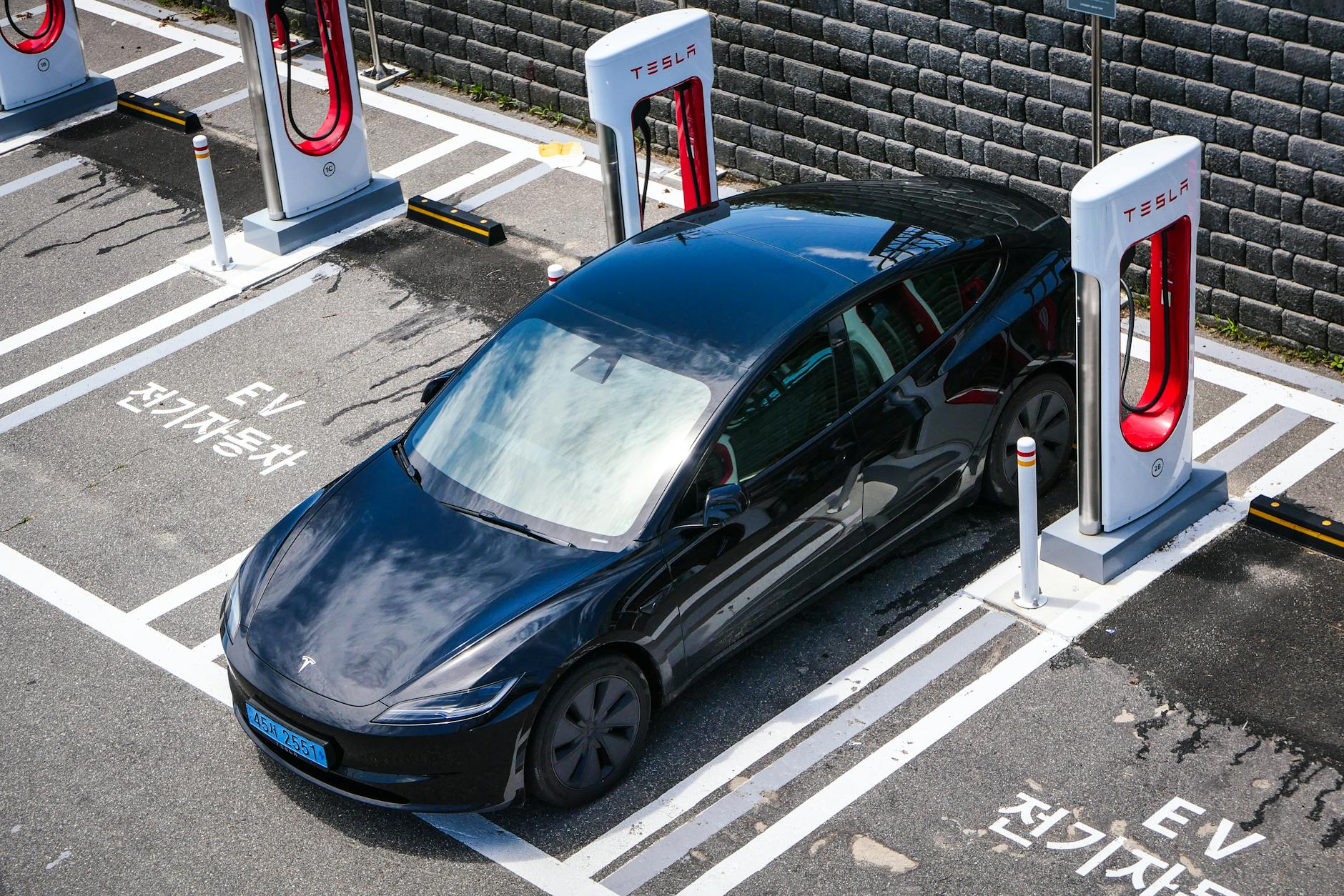
A significant rise in global oil prices, fueled by Middle East tensions and shipping disruptions, is rapidly accelerating the world's shift towards electric vehicles (EVs). This economic pressure is making EV ownership far more appealing, as drivers seek relief from soaring fuel costs. Chinese EV manufacturers are stepping up to meet this growing demand, leveraging their massive production capabilities and competitive pricing to dominate new markets. This surge underscores a crucial moment in global electrification, pushing us closer to sustainable transport solutions and reducing reliance on fossil fuels.
Recent instability in the Middle East and disruptions in key shipping routes have sent global crude oil prices soaring past $100 per barrel. This jump means higher costs at the pump for everyday drivers, making the switch to electric vehicles a smart financial move. As gasoline and diesel prices climb, the running costs for traditional cars increase dramatically, making EVs a much more economical choice.
Dealers in places like Australia and parts of Southeast Asia are already seeing a significant boost in interest for Chinese EVs. Showrooms are reporting more test drives, customer questions, and a clear rise in orders. For example, Australia’s EV market share hit a record 11.8% of vehicle sales, largely due to these higher fuel costs.
China's electric vehicle industry is currently the largest worldwide. In 2024, Chinese automakers produced over 12.87 million plug-in electric vehicles, which accounted for almost 47.5% of total automobile production. This massive scale allows Chinese manufacturers like BYD and GWM to offer EVs at lower prices than many European and North American models, making them very attractive in markets sensitive to cost.
The financial benefits of going electric are compelling. When oil hits $100 per barrel, gasoline prices can reach $1.20–$1.50 per liter in many areas. At this level, a gasoline car might cost $0.12–$0.18 per kilometer in fuel, while an EV only costs $0.03–$0.06 per kilometer in electricity. This means EVs can be 2 to 4 times cheaper to run. Over a year, this translates into savings of roughly $600 to $1,500 for drivers, depending on how much they drive and local energy prices.
This rapid adoption of EVs has significant implications for our planet. The move away from gasoline-powered vehicles directly reduces harmful emissions and our dependence on fossil fuels. Experts predict that by 2030, widespread EV adoption could cut global oil use by about 5 million barrels per day. This transition isn't just about saving money; it's a vital step towards a cleaner, more sustainable energy future.
While some regions have trade barriers, such as high tariffs on Chinese EV imports in the U.S., Chinese manufacturers are strengthening their supply chains and shipping capabilities to meet global demand. Emerging markets in Southeast Asia, Latin America, and Oceania are also showing strong EV growth. In countries like India, where oil imports are a major economic factor, rising petrol costs are quickly boosting interest in more affordable-to-run electric options.
The combination of high oil prices and a robust supply of affordable EVs from China is creating a powerful shift. This feedback loop encourages more consumers to choose electric, accelerating the global transition from fossil fuels to clean, sustainable electric transport. As battery technology improves and charging networks expand, this shift will only gain momentum, shaping our energy and transportation landscape for decades to come.