Oil profits surge; a familiar tax debate returns to Washington.

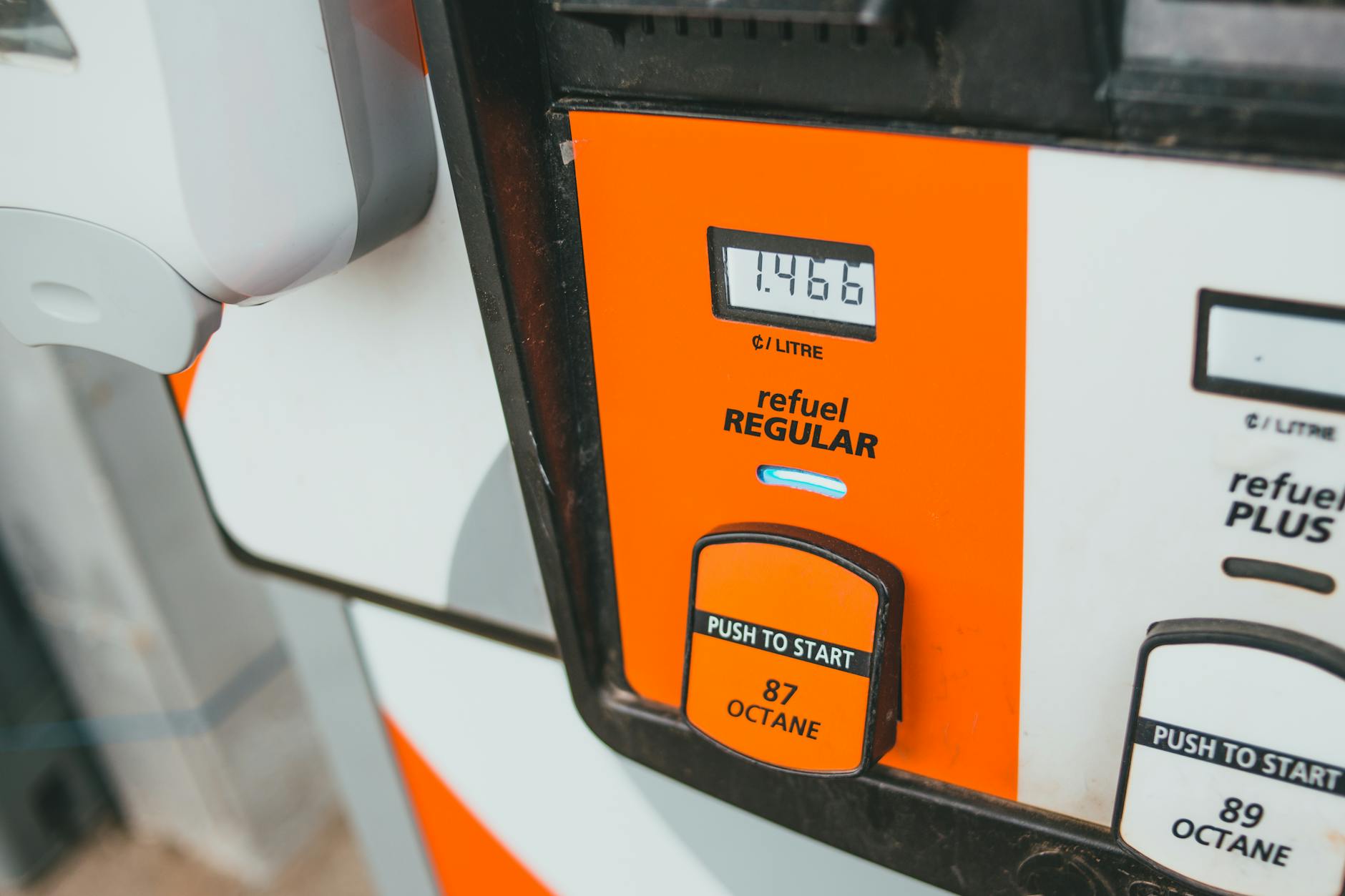
Global oil prices are surging due to renewed conflict, leading to higher costs for American drivers at the gas pump. Meanwhile, major oil and gas companies are reporting enormous, unexpected profits, with some firms earning tens of millions per hour. This stark contrast has ignited calls from U.S. lawmakers to implement a windfall profit tax, aiming to redirect some of these excess earnings to help struggling families. This debate also highlights the volatile nature of fossil fuel markets and underscores the urgent need to transition to stable, sustainable energy sources.
The recent surge in global oil prices, fueled by renewed conflict between the U.S. and Iran, is hitting American consumers hard at the gas pump. While families face rising costs, major oil and gas companies are experiencing unexpected boom times. An analysis by Global Witness and the *Guardian* revealed that the top 100 oil and gas firms made an astounding $30 million every hour in excess profits during the early stages of the U.S-Israeli war with Iran. This comes as the cost of producing oil hasn't significantly increased for many companies.
This situation has prompted U.S. lawmakers, including Senator Sheldon Whitehouse, to propose a windfall profit tax on these excess earnings earlier this year. The idea is to take half of these unexpected profits and redistribute them to lower-income Americans through tax rebates. Similar taxes have already been successfully implemented in the U.K. and the European Union following Russia's invasion of Ukraine, raising billions to support families struggling with high energy bills. The U.S. even had a version of this tax in 1980, which newer proposals aim to improve upon.
Naturally, the U.S. oil industry, represented by the American Petroleum Institute, opposes such a tax, arguing it would discourage crucial investment. However, proponents like Senator Whitehouse highlight a broader point: the volatile, unpredictable nature of fossil fuel prices disproportionately affects everyday people and global stability. This constant fluctuation stands in stark contrast to cleaner alternatives.
Crucially, Senator Whitehouse points out that wind, solar, and battery power aren't experiencing similar price spikes; their costs are increasingly stable and competitive. This highlights the urgent environmental and economic benefits of accelerating our transition to electrification and sustainable solutions. By investing in renewable energy, we can move away from dependence on a system prone to global conflicts and unpredictable price swings, securing a more stable and environmentally responsible future for everyone.