Oil Sands Carbon Price: Why the Impact is Surprisingly Small

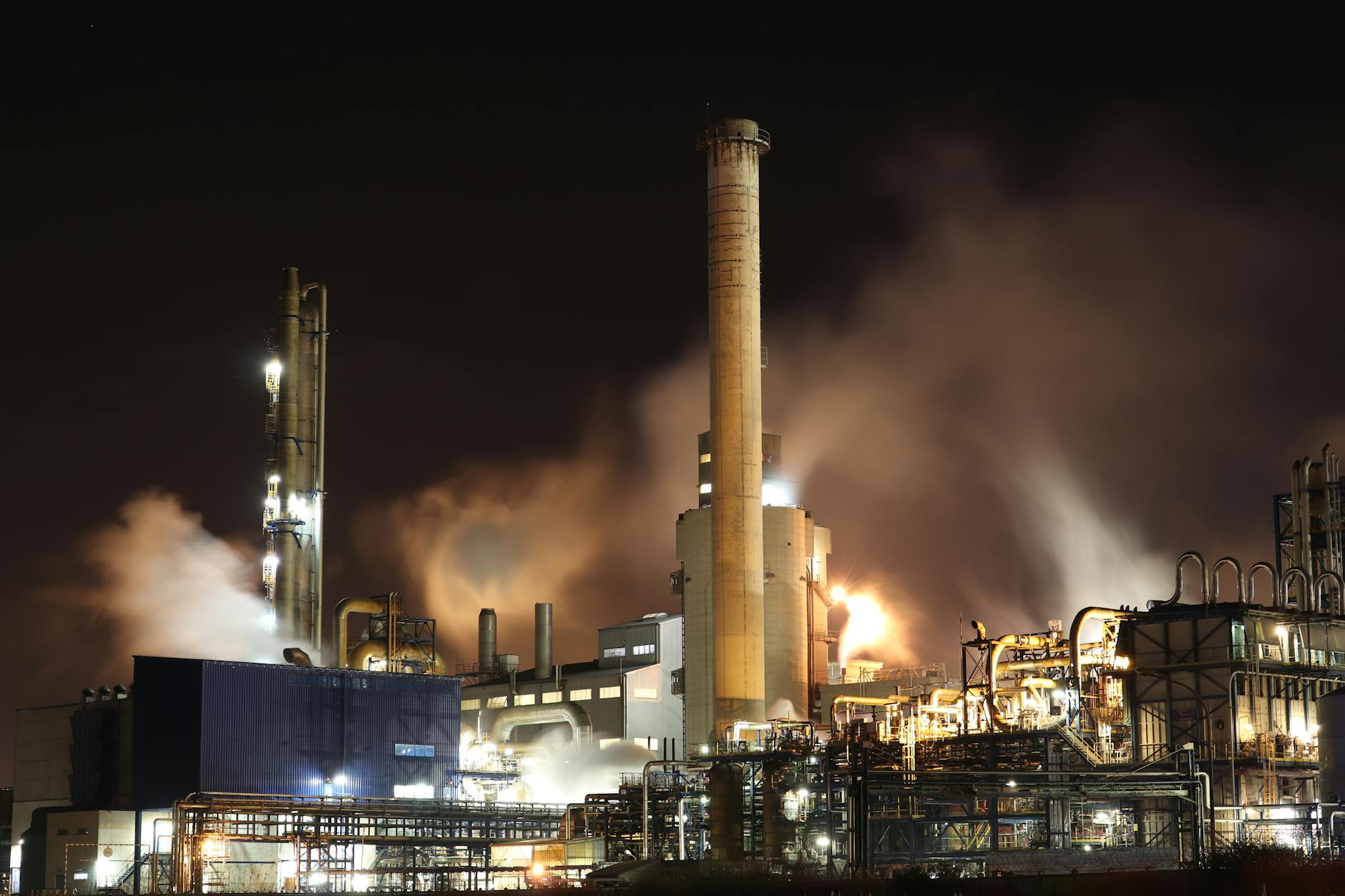
A new study by the C.D. Howe Institute reveals that Alberta's industrial carbon price, known as TIER, has had a surprisingly minor effect on oil sands production costs, averaging just C$0.34 per barrel in 2023. While headline carbon prices are set to rise significantly, the unique structure of the TIER system, with its benchmarks and credits, means direct cost increases for producers remain small. This raises important questions about whether the current pricing system can effectively drive the substantial emissions reductions needed from an industry that remains Canada's largest source of greenhouse gas pollution, making up 30% of national emissions. The urgency for climate action remains high, demanding clear incentives for sustainable solutions.
A recent study by the C.D. Howe Institute reveals that Alberta's industrial carbon pricing system, known as TIER, has a surprisingly small impact on the cost of producing oil from the oil sands. In 2023, the average increase was only about C$0.34 per barrel, according to the report. This is much less than the overall operating costs, and some larger facilities actually received a net benefit due to performing better than their emissions targets.
This small cost is largely because the TIER system doesn't simply charge a flat rate on all emissions. Instead, it uses emissions benchmarks and performance credits, meaning companies that are more efficient can earn credits or pay less. Even as the headline carbon price is set to increase significantly to C$140 per tonne by 2040, experts predict that most oil sands facilities will continue to face carbon costs below C$5 per barrel through 2050.
However, the oil sands remain a critical concern for our planet's health. Canada's oil and gas sector is the country's top source of greenhouse gases, contributing 30% of national emissions. These emissions have risen substantially since 1990, highlighting the urgent need for decisive climate action. While there's been some progress in reducing emissions per barrel, the overall volume of pollution is still immense, underscoring why strong action is vital to tackle global warming.
The true purpose of carbon pricing isn't just to add costs; it's to encourage major investments in cleaner technologies. The federal and Alberta governments have agreed to support projects aimed at cutting 75 million tonnes of emissions through programs like Carbon Contracts for Difference, which offer more certainty for future emissions reductions. They are also making emissions benchmarks stricter, pushing companies to find innovative ways to reduce their environmental footprint, as part of their agreement.
A key part of this strategy is the proposed Pathways Project, which aims to capture and store carbon emissions from major oil sands facilities. This project could significantly reduce pollution without cutting production, offering a path towards more sustainable operations. While still in early stages, with decisions expected by late 2027 or early 2028, its success is crucial for Canada's climate goals.
The bigger question isn't whether carbon pricing will hurt profits, but whether these modest costs and incentives are powerful enough to drive the substantial emissions cuts we need to protect our environment. It's about turning small financial signals into massive leaps towards a cleaner, more sustainable future for everyone.