Old Atlanta Railway's Secret: A Shady, Green Urban Escape

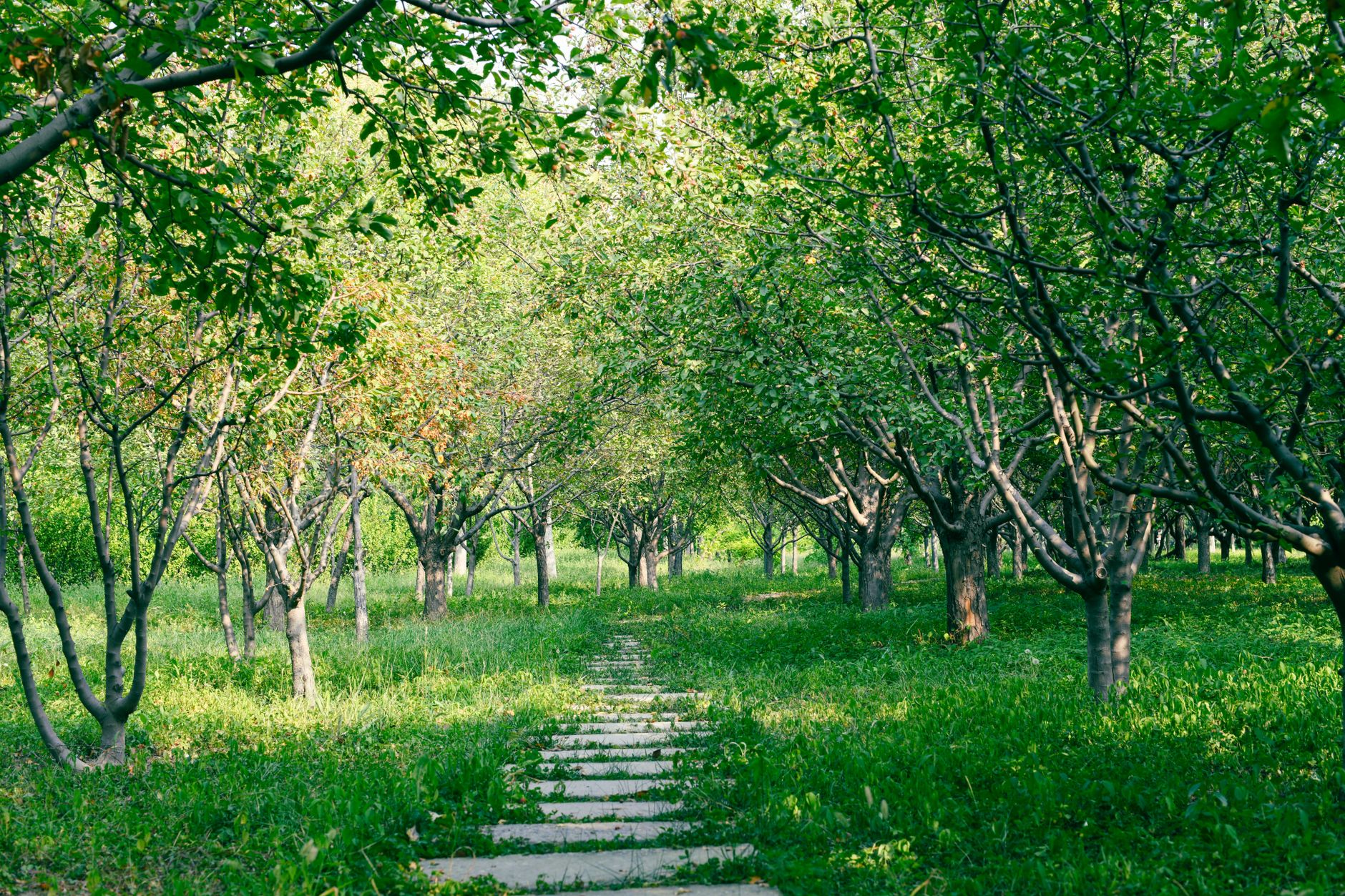
Atlanta is transforming an old, neglected railway into a vibrant 22-mile loop called the Atlanta Beltline. This ambitious project creates a shaded path for walking and biking, connecting 45 neighborhoods, parks, housing, and public transit. Crucially, it will become the world's longest linear arboretum, filled with hundreds of plant and tree types. This green infrastructure is a vital step in combating the effects of climate change, offering much-needed cooling, stormwater filtration, and a haven for urban wildlife.
The Atlanta Beltline is more than just a path; it's a dynamic solution for urban living in a changing climate. As extreme weather events, like scorching heatwaves, become more common, the extensive tree canopy of the Beltline provides natural cooling for the city. These trees, both old-growth and new plantings, are managed by Trees Atlanta, turning the corridor into a vital green lung for the metropolitan area.
Beyond cooling, the diverse plant life plays a crucial role in environmental protection. It naturally filters stormwater, reducing runoff and helping to manage urban flooding. The newly established habitats also invite a variety of wildlife, transforming a once-overgrown space into a buzzing ecosystem where you can hear insects in the evenings and birds in the mornings. This blend of ecological benefits underscores the importance of integrating green infrastructure into urban planning.
More than half of this unique arboretum, described as the world's longest linear arboretum, is already complete, offering residents a winding oasis of greenery. Along the path, signs, artwork, and guided tours educate visitors about the rich biodiversity and the ecosystem around them. The Atlanta Beltline demonstrates how thoughtful urban development can enhance community life, promote sustainable transport, and crucially, bolster a city's resilience against climate change, benefiting both people and nature.