Oman's Bold Move: Turning Waste Into What Could Be a Green Future?

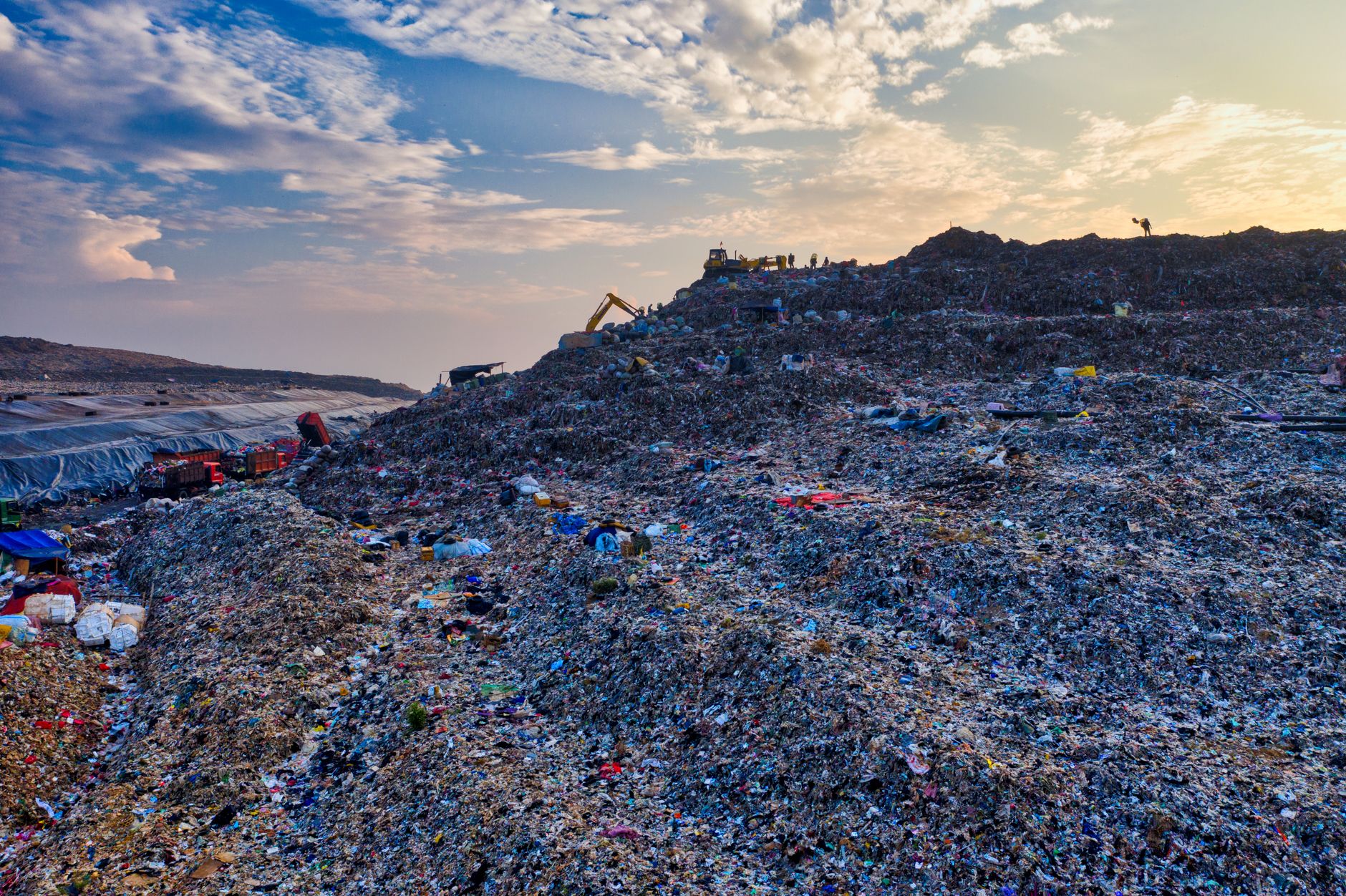
Oman is transforming its approach to waste management, turning a major environmental challenge into a powerful climate solution. The state-owned be'ah company is capturing methane gas from landfills, a potent greenhouse gas, to not only reduce harmful emissions but also generate clean electricity. This innovative strategy is helping Oman earn valuable carbon credits and power its own operations, showcasing a smart path towards sustainability and economic diversification. It represents a significant step in addressing global warming through practical, local action.
Oman's waste management company, be'ah, is making significant strides in converting landfill gas into both carbon credits and clean energy. This initiative targets the large amounts of methane released as organic waste breaks down in landfills, which is a major contributor to global warming.
Methane is a greenhouse gas far more potent than carbon dioxide in the short term, making its capture incredibly important for our planet's health. In fact, landfills account for the vast majority of be'ah's direct emissions, highlighting the urgency and impact of this focused effort.
Two key landfills, Al Multaqa and Barka, are central to this work. By capturing methane, these sites have already generated tens of thousands of verified carbon credits under the Verra standard since 2021. This provides Oman with a new source of revenue while actively reducing its carbon footprint, aligning with global climate action goals. The projects were developed with support from OQ Trading (OQT).
The next exciting phase involves converting this captured methane into electricity. Projects are underway to use the gas to power the landfill sites themselves, with potential to export surplus energy. This transition from merely flaring the gas to generating clean electricity demonstrates the tangible benefits of electrification, turning a waste product into a valuable resource and outperforming traditional fossil fuel reliance.
This visionary approach is part of Oman's broader commitment to sustainability, as outlined in its Vision 2040 goals. be'ah has developed a comprehensive carbon management framework to identify, develop, and market these climate-friendly projects, proving how integrated strategies can drive environmental progress and economic diversification. Oman's national climate reporting also acknowledges landfill methane recovery as a crucial mitigation measure, estimating substantial annual emissions reductions from such efforts, as detailed in its First Biennial Transparency Report.
As waste volumes continue to grow, the need for effective landfill management and methane capture becomes even more critical. In 2025, Oman saw a significant increase in both municipal and industrial waste. This rising tide of waste makes be'ah's strategy indispensable for environmental protection and creates a larger base for future carbon reduction projects.
While carbon credits offer a promising avenue for revenue, their generation relies on rigorous monitoring and verification to ensure actual emissions reductions occur. This careful process, supported by partners like OQ Trading and certified by organizations like Verra, ensures the integrity and value of these environmental assets. Ultimately, Oman is setting an example of how turning waste into wealth can powerfully contribute to a cleaner, more sustainable future.