One Dollar Invested: The Surprising Return on Disaster Prep [Analysis]

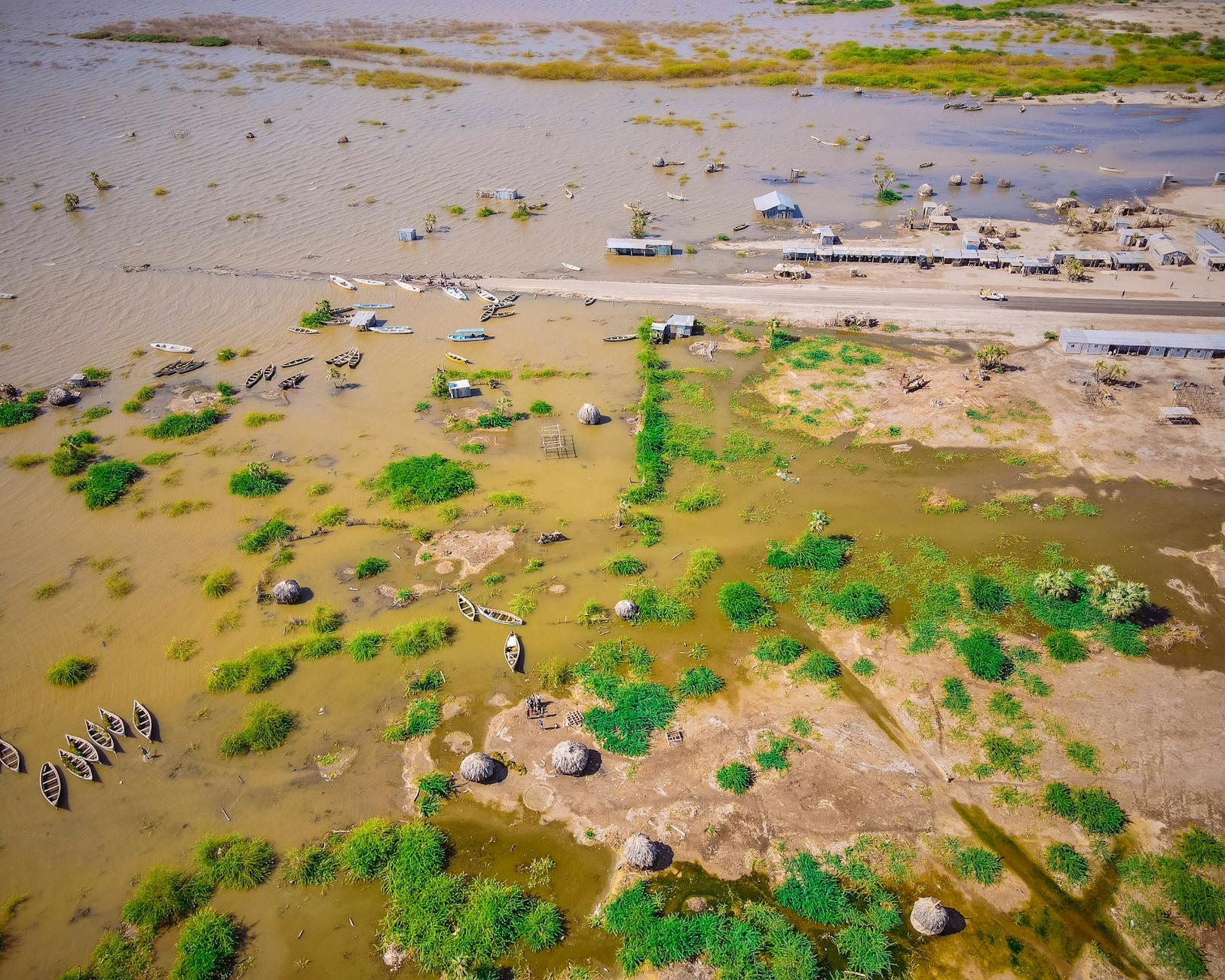
As our climate warms, communities face increasingly extreme disasters like fires and floods, causing billions in damage and devastating lives. A vital federal initiative, the Building Resilient Infrastructure and Communities (BRIC) program, offers a solution by funding projects to limit this destruction before it happens. Remarkably, every dollar invested in such proactive measures has been shown to save six dollars in future costs. This demonstrates the critical financial and environmental sense in preparing for the escalating impacts of climate change.
Fires, floods, and hurricanes wreak havoc on communities, leaving behind billions in damages and immense personal loss. With a changing climate, these events are only becoming more frequent and severe, highlighting an urgent need for preparedness.
The federal government’s BRIC program steps in to help. It supports projects designed to strengthen communities against future disasters, such as updating homes with materials that resist wildfires or restoring natural wetlands that soak up floodwaters. These kinds of projects are about looking ahead and preparing for what we know is coming, making our communities safer and more robust.
According to Joel Scata of the Natural Resources Defense Council, these preventative actions are incredibly smart investments. A 2019 analysis of federal resiliency grants found a significant return: for every dollar spent preparing, six dollars were saved down the line. This means that investing in climate resilience isn't just about environmental protection; it's also about sound financial planning for our future.
Despite facing an attempt to cancel it last year, the BRIC program has bipartisan support and was recently reinstated by a judge's ruling after states took legal action. This decision underscores the widespread understanding that programs like BRIC are essential. They save lives, protect our finances, and are among the most effective ways to ensure the United States is ready for the intensifying impacts of climate change.