Oregon farmers ditch one vital resource. How can it work?

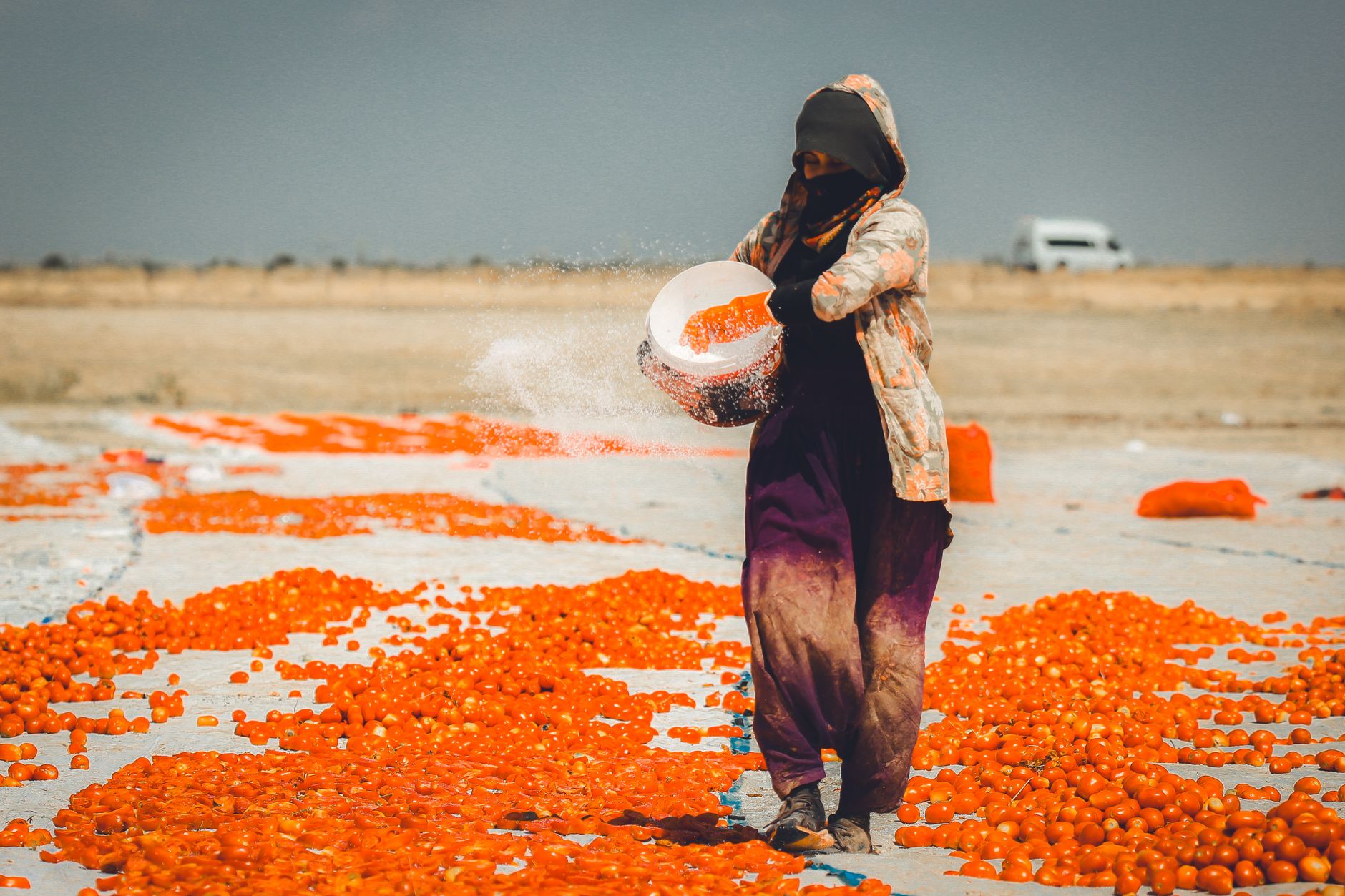
As western Oregon faces the realities of a warming climate, its mountain snowpack, a critical water source for irrigation, is rapidly shrinking. This environmental shift poses a significant challenge for farmers who rely on ample water for their crops. Thankfully, a new initiative is empowering local farmers to adapt by teaching them innovative dry farming techniques. These methods allow them to grow essential produce with dramatically less water, securing food production while fostering resilience in the face of increasing water scarcity.
Winters in western Oregon are typically cool and rainy, but summers are often very dry, making irrigation essential for many farms. However, our changing climate means the snowpack that feeds rivers is shrinking, impacting how farmers can water their fields.
The Dry Farming Institute is stepping up to help. This organization guides farmers on how to cultivate crops like tomatoes, melons, beans, and squash without needing to irrigate during the dry summer months. Their methods focus on working with nature.
For instance, farmers learn to boost their soil's ability to hold moisture from winter rains by adding compost and applying mulch. They also practice wider plant spacing, which encourages crops to grow longer roots, reaching deeper into the soil for water.
The Institute not only shares these vital techniques but also tests different crop varieties to find those best suited for dry conditions. They encourage farmers to experiment and share their findings, building a community of knowledge. This approach helps reduce reliance on precious water resources, offering a sustainable path forward as our climate continues to warm and water becomes increasingly scarce. It's a crucial step towards adapting our food systems for a more sustainable future.
This shift highlights the urgent need for environmental action and the benefits of adopting sustainable solutions in agriculture.