Oregon Forests Get $100M Boost—But Not Just for Timber

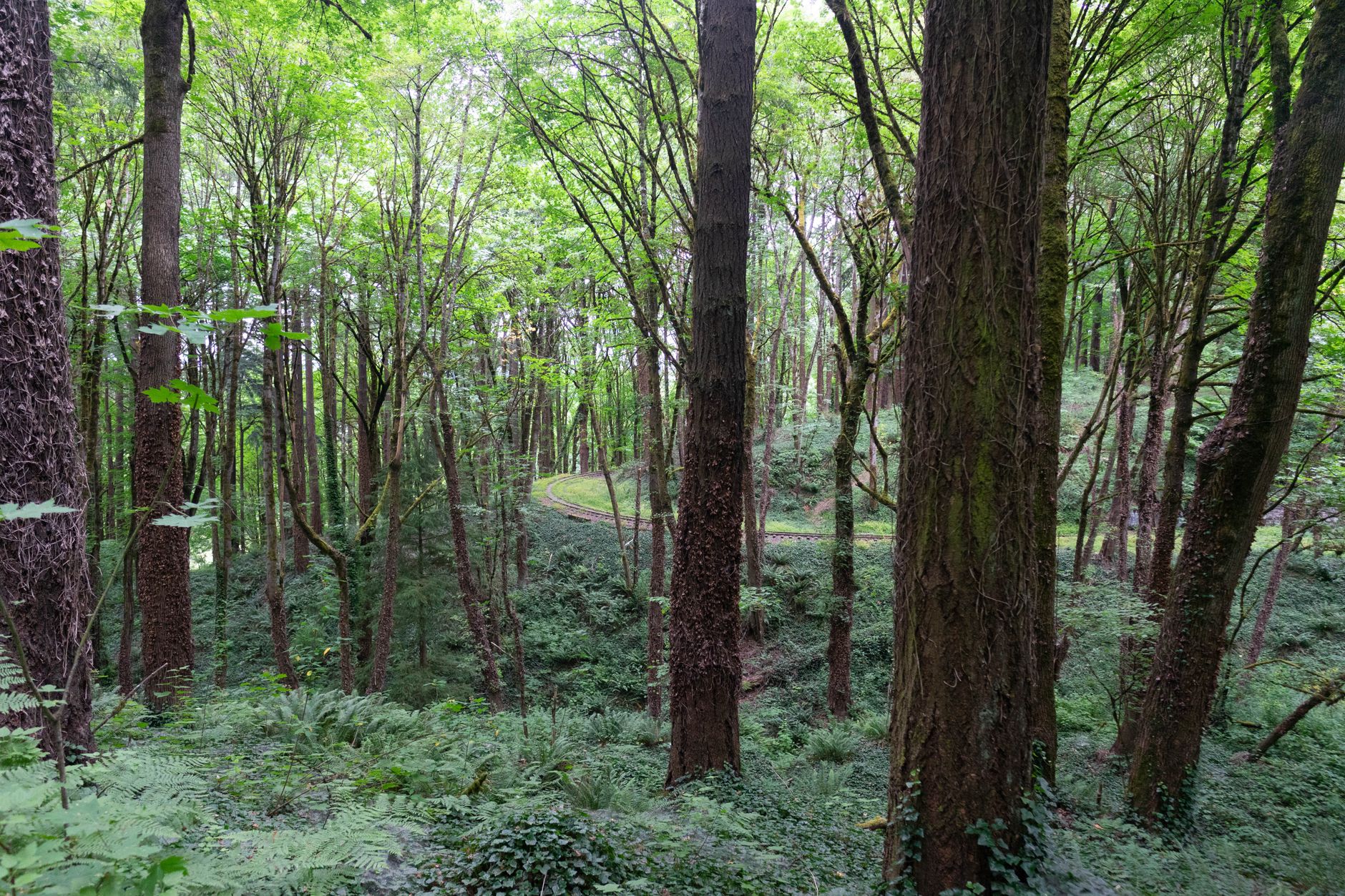
EFM Investments & Advisory has made a significant move by investing over $100 million to acquire nearly 29,000 acres of coastal rainforest in northern Oregon. This substantial deal highlights a growing global trend: valuing forests not just for timber, but crucially for their role in storing carbon and protecting our environment. This "climate-smart forestry" approach combines sustainable timber production with vital conservation efforts, recognizing forests as key allies in our fight against global warming.
EFM's strategy centers on what they call climate-smart forestry, managing forests for multiple benefits beyond traditional timber sales. This includes generating carbon credits, conserving biodiversity, and supporting recreation. This approach allows revenue from carbon credits to fund practices like longer harvest rotations and ecological restoration, which are crucial for a healthier planet.
Forests are incredibly important in the global effort to remove and store carbon dioxide, making them a central part of the carbon market. Buyers are increasingly looking for higher-quality forest carbon credits, which means projects must have strong management plans and reliable monitoring. This shift favors careful, long-term approaches to forest care, like those EFM employs to ensure carbon benefits are real and lasting.
Oregon is a vital location for this kind of investment. While the state's forests are excellent at removing carbon, Oregon also faces rising climate risks, including increased wildfires and a decline in its annual carbon removal since 1990. This makes strategic forest management incredibly important for the state’s environmental future and its contribution to climate action.
Corporate demand is also fueling this shift, with companies investing billions in future carbon credit purchases, particularly in nature-based solutions. This pre-financing helps forest developers secure funding for acquisitions and long-term sustainable management. EFM has already partnered with major companies like Meta and Microsoft on similar projects, demonstrating how financial investment can directly support environmental goals.
However, even with growing demand, the market places a high value on quality. Forests face risks like fire and disease, and carbon projects must prove their carbon gains are truly additional and permanent. EFM addresses this by controlling project development, using third-party standards, and relying on major carbon registries to ensure their credits are credible. This helps mitigate risks and supports the market for high-integrity, nature-based carbon solutions, which are essential for tackling climate change.