Oregon's Ranching Crisis: What's Driving Historic Cattle Evacuations?

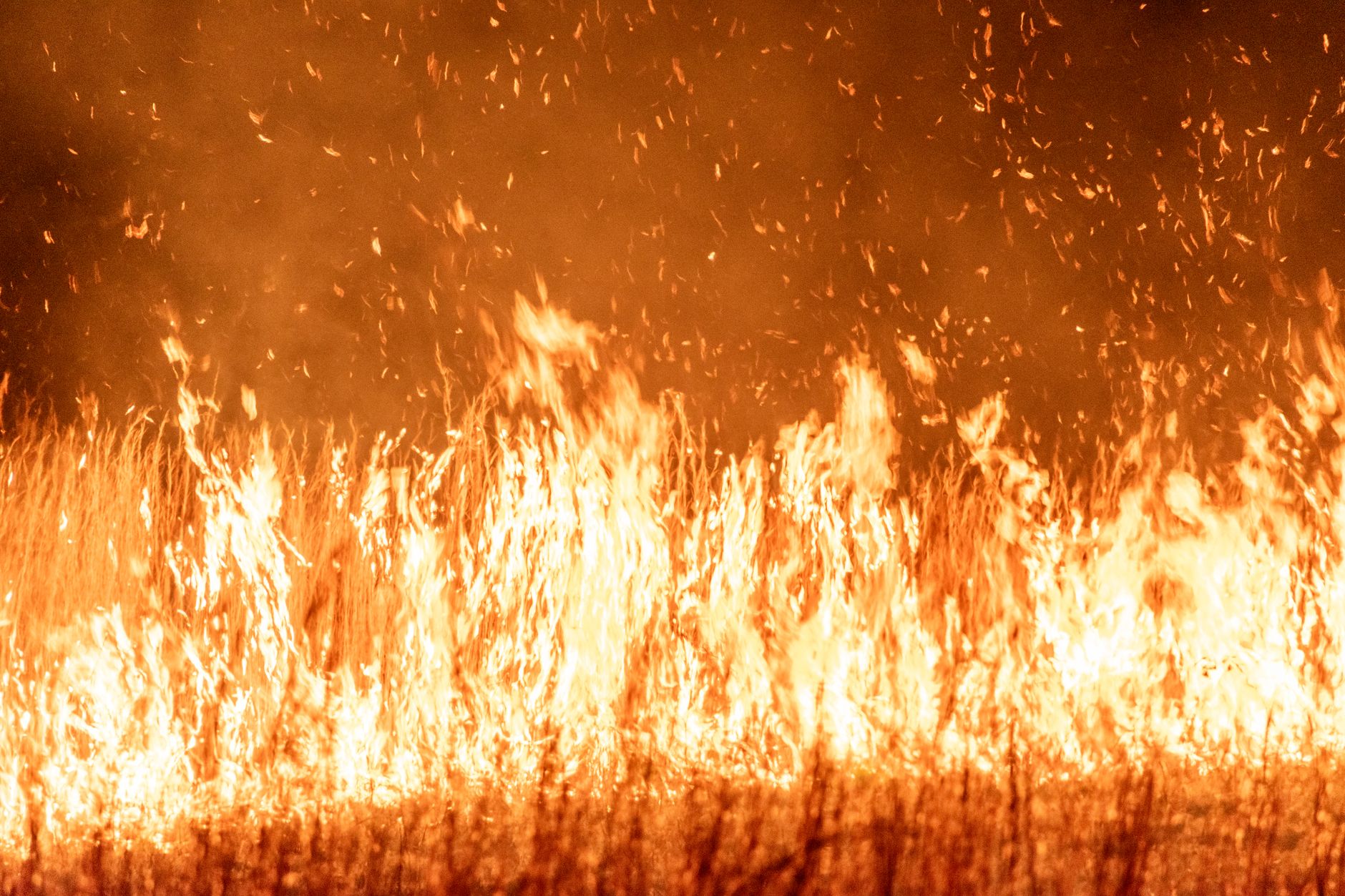
Oregon is experiencing an exceptionally severe wildfire season, forcing ranchers to evacuate their cattle from critical grazing lands. These blazes threaten not only the livelihoods of many families but also highlight the growing fragility of ecosystems in the face of escalating climate challenges. The intense heat and dry conditions underscore the urgent need for robust environmental action and sustainable land management practices. This ongoing crisis emphasizes how interconnected our daily lives are with the health of our planet.
Oregon's landscape is currently battling a relentless wave of wildfires, turning vast tracts of land into infernos. These fires are not just destroying forests; they are encroaching upon vital areas that ranchers depend on to feed their cattle. As a result, countless livestock are being moved from harm's way, a stressful and costly endeavor for families whose entire existence hinges on these animals.
The sheer scale of this year's fire season, as reported by NPR, paints a stark picture of how extreme weather events are increasingly impacting everyday life. This isn't just a local issue; it's a powerful reminder of the broader climate emergency we face globally. Rising temperatures and prolonged droughts create ideal conditions for these devastating blazes, pushing our natural systems to their breaking point.
The importance of protecting our environment and embracing sustainable solutions has never been clearer. Every action, big or small, to reduce our carbon footprint and support cleaner technologies helps mitigate the risks of such natural disasters. We must collectively work towards a future where livelihoods are secure and ecosystems can thrive, free from the constant threat of climate-fueled crises.