Our Wild Spaces Are Returning: What Did We Miss?

Rewilding projects across Britain are demonstrating how quickly nature can rebound when given the chance. From teeming insects and rare birds at Knepp Estate to bison restoring habitats in Blean Woods, these initiatives are bringing lost wildlife back to life. These inspiring transformations not only boost biodiversity but also enhance our landscapes' resilience to a changing climate, offering hope for a greener, wilder future. They show us what's truly possible when we prioritize environmental action.
Once-farmed fields at Knepp Estate are now vibrant havens, filled with the overwhelming buzz of insects and the flutter of countless butterflies. Ecologist Isabella Tree describes the profound joy and shock of witnessing this explosion of life, realizing what had been missing from the landscape for so long.
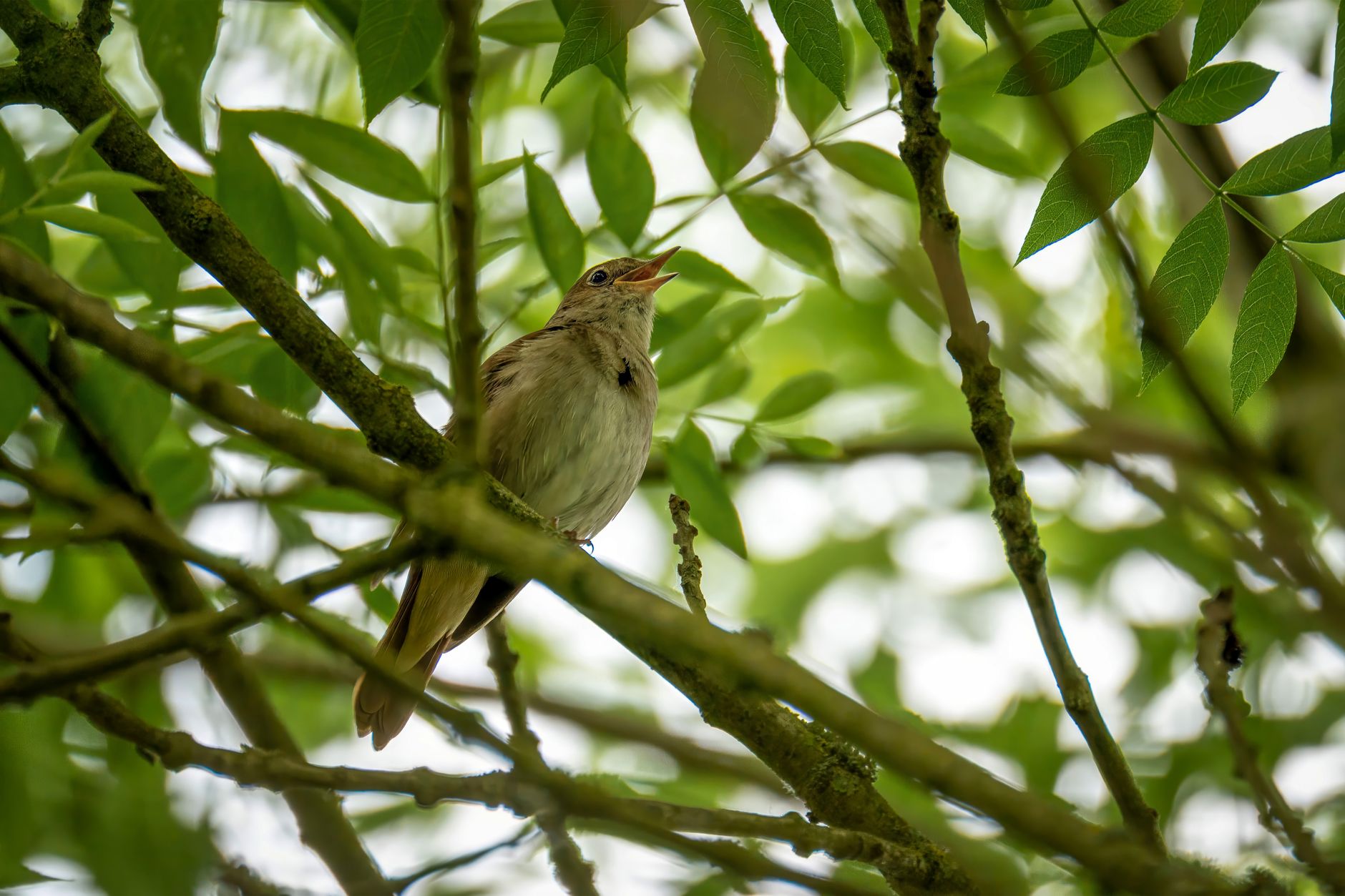
Bird surveys struggle to keep up with the sheer number of nightingales, and experts are astonished by the biodiversity resurgence. This success highlights a crucial need: more wild spaces across every county. Such areas offer not only a vital boost for nature, allowing people to experience truly wild environments, but also provide significant physical and mental health benefits, reminding us what abundant nature truly feels like.
The excitement extends to projects like the initiative to bring bison to Blean Woods. These magnificent animals, acting as natural engineers, restore habitats through their instinctive behaviors like grazing and felling trees. This helps nature thrive and builds greater resilience against the impacts of climate change, proving that innovative, sustainable solutions can make a real difference.
Looking ahead, there's a vision for a network of interconnected wild areas, like the proposed Strawberry Hills, to help wildlife move and adapt to climate change. These spaces would also offer beautiful, wild experiences for people. The good news is clear: we know how to bring nature back; it simply requires the space and the time to flourish.