Overlooked Landscapes Store Gigatons of Carbon. Why Act Now?
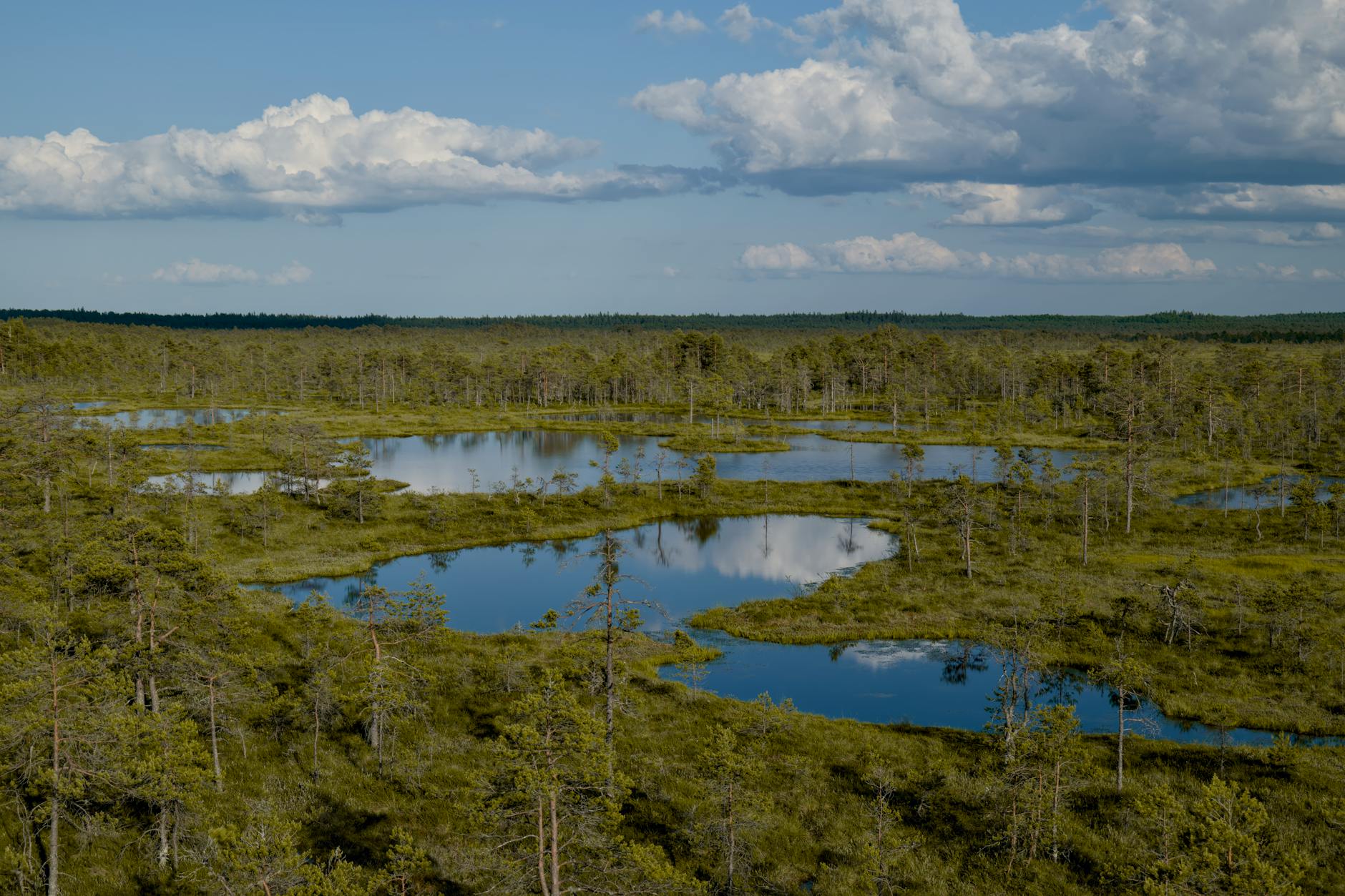
Vast, waterlogged areas like bogs and swamps, known as peatlands, are unsung heroes in the fight against climate change. These unique ecosystems, found from Canada to the Congo Basin, slowly build up dead plant material over millennia, trapping massive amounts of carbon underground. Despite covering only 3% of the world's land surface, they store more carbon than all forests combined. However, when these vital lands are drained or burned, this stored carbon escapes into the atmosphere, greatly contributing to global warming. Protecting and restoring peatlands is therefore a critical and urgent step for our planet's future.
Imagine vast, squishy landscapes like the northern bogs of Canada or the humid swamps of the Congo Basin. These waterlogged areas are called peatlands, and they play a surprisingly huge role in our planet's health. For thousands of years, plants in these wet, low-oxygen conditions slowly break down, forming thick layers of peat. This natural process is a superpower for the climate because it locks away much of the carbon from those plants deep underground, stopping it from escaping into the air and contributing to global warming.
It’s an incredible feat: peatlands cover just 3% of the world's land surface, yet they hold more carbon than all the world's forests put together. However, this natural climate solution is increasingly at risk. In recent decades, many peatlands have been drained for farming or other development, and some are tragically lost to wildfires. When these precious ecosystems are damaged or destroyed, the stored carbon is released, significantly adding to the greenhouse gases warming our planet.
Scientists estimate that degraded peatlands are responsible for about 4% of all climate-warming emissions globally. This makes their protection not just important, but urgent. Conserving and restoring these unique environments around the world is a vital step in reversing climate trends and securing a healthier future. By supporting these overlooked natural carbon sinks, we take a powerful stand for environmental protection and collective climate action.