Pacific Fury: What's Driving Hawaii & Mexico's Double Storm Threat?

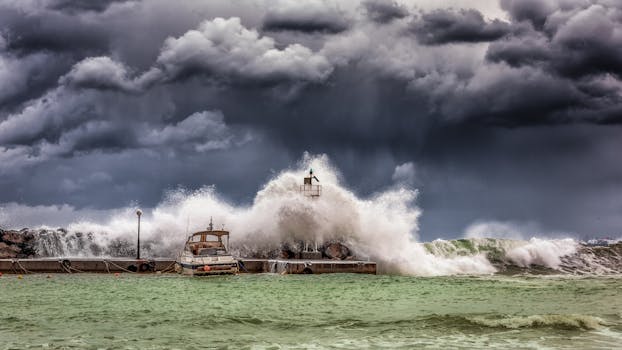
Hawaii's Big Island is bracing for Hurricane Nolo, which threatens flash floods and extreme surf, with some areas potentially receiving up to 25 inches of rain. This comes as the region is still recovering from August's Hurricane Lala, making the ground particularly vulnerable to mudslides and further devastation. Meanwhile, Mexico faces the powerful Hurricane Polo, packing 180 mph winds and already causing significant damage along its Pacific coast. The dual threat highlights a busy Pacific hurricane season, intensified by the ongoing El Niño phenomenon, a natural cycle that scientists say is exacerbated by global warming, leading to more extreme weather events and underscoring the urgent need for climate action and resilience.
On Hawaii's Big Island, residents are preparing for Hurricane Nolo, expected to strengthen to a major hurricane with winds up to 105 mph. Forecasters warn of severe flash floods and extreme surf, with rainfall totals reaching up to 25 inches in some areas. Emergency declarations are in place, and the National Guard has been activated, as communities, still recovering from Hurricane Lala, face renewed threats of mudslides and coastal flooding. People are urged to shelter in place, as even small amounts of additional rain could cause widespread damage on already saturated ground.
Across the Pacific, Mexico is contending with Hurricane Polo, a powerful storm with sustained winds of 180 mph, heading towards the Baja California peninsula. Coastal communities have already seen homes swept by seawater and are clearing thick mud, with authorities preparing shelters and closing ports. The storm's moisture could even extend its reach, bringing scattered flash flooding to parts of the southwestern U.S., prompting the relocation of vulnerable sea turtle eggs in California to protect them from hazardous surf.
This intense Pacific hurricane activity, including another Category 4 storm, Odalys, far out at sea, is consistent with the current El Niño climate pattern. While El Niño naturally influences global weather, leading to more active hurricane seasons in the Pacific and dampening activity in the Atlantic, these powerful, back-to-back storms are a stark reminder of our changing climate. They underscore the critical importance of global environmental action, as extreme weather events become more frequent and severe, urging us to embrace sustainable solutions and build greater resilience in the face of these escalating challenges.