Pacific's Pristine Waters Face a Surprising New Threat

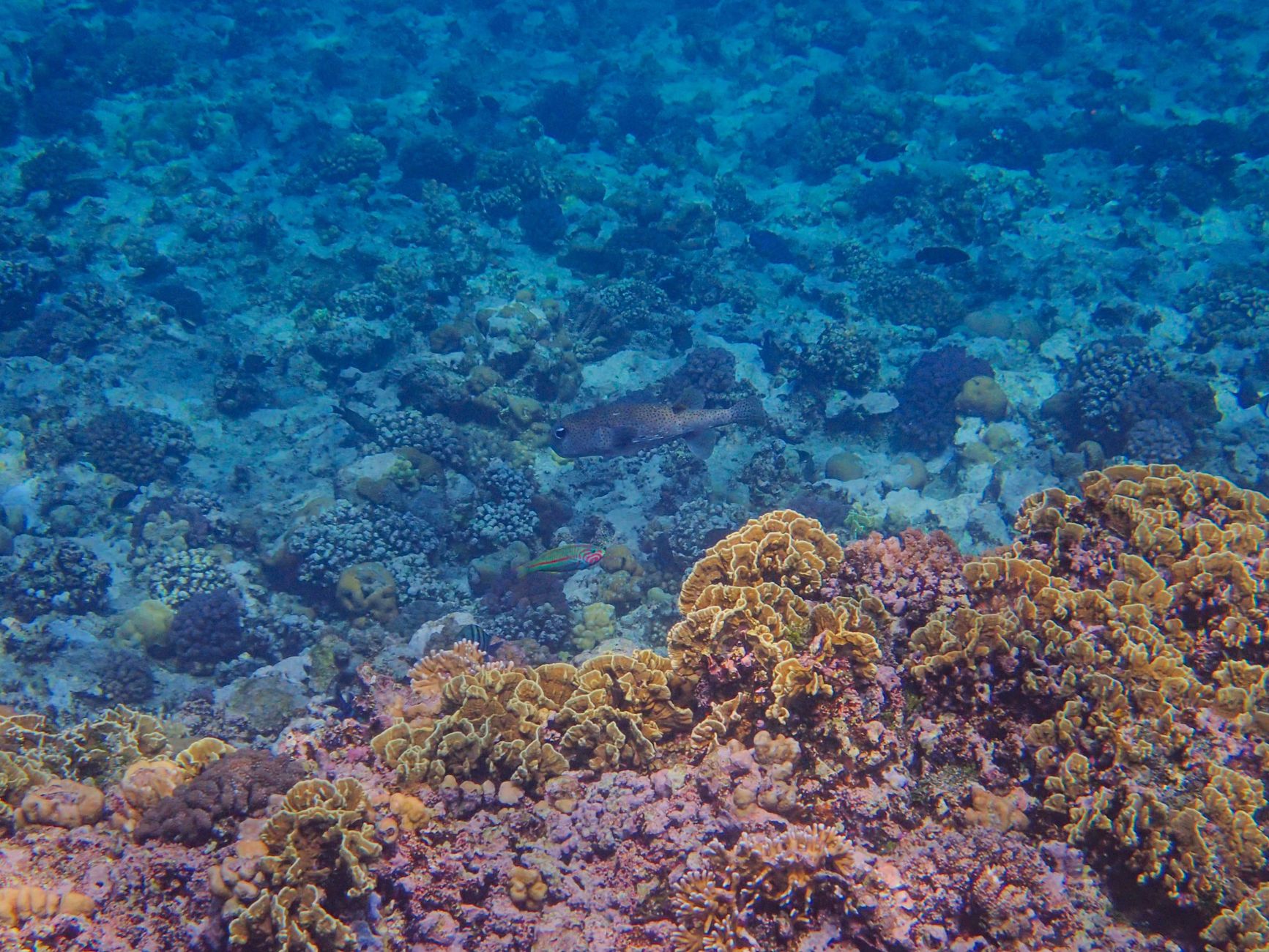
President Donald Trump has moved to overturn protections for three vast Pacific marine national monuments, potentially opening these pristine waters to commercial fishing. Established by President George W. Bush to safeguard unique coral reefs, diverse marine life, and vital seabird colonies, these areas have been off-limits to extraction. This decision has sparked strong condemnation from scientists, conservation groups, and Indigenous communities who warn that allowing fishing could severely jeopardize some of the Pacific’s most ecologically significant and culturally sacred places, including the enormous Papahānaumokuākea Marine National Monument.
President Donald Trump recently signed an order that seeks to allow commercial fishing within three protected Pacific marine national monuments. These vast ocean areas, including the Mariana Trench, Papahānaumokuākea, and Rose Atoll Marine National Monuments, were originally set aside by President George W. Bush to shield their unique ecosystems from harm. The change, justified as a move to boost American fisheries, is now facing fierce opposition from environmental advocates, scientists, and local communities.
One of the most critical areas at risk is the Papahānaumokuākea Marine National Monument, an immense ocean expanse larger than all U.S. national parks combined. It is a vital sanctuary, home to over 14 million seabirds, extensive coral reefs, and essential breeding grounds for endangered Hawaiian monk seals, threatened sea turtles, and humpback whales. For Native Hawaiians, this area holds deep cultural significance, considered a sacred origin point where all life began. Opening such a place to fishing threatens an irreplaceable evolutionary legacy.
Conservation groups and scientists are sounding the alarm, emphasizing that fishing fleets already operate profitably without needing to enter these protected zones. They argue that commercial fishing would add significant pressure to ecosystems already struggling with the impacts of climate change, like coral bleaching from warmer ocean temperatures, and vast amounts of marine debris. Organizations like Earthjustice are preparing legal challenges, asserting that the administration’s actions are unconstitutional and unlawful, highlighting the urgency of defending these invaluable natural treasures.