Pacific Storms Intensify: What's driving this worrying trend?

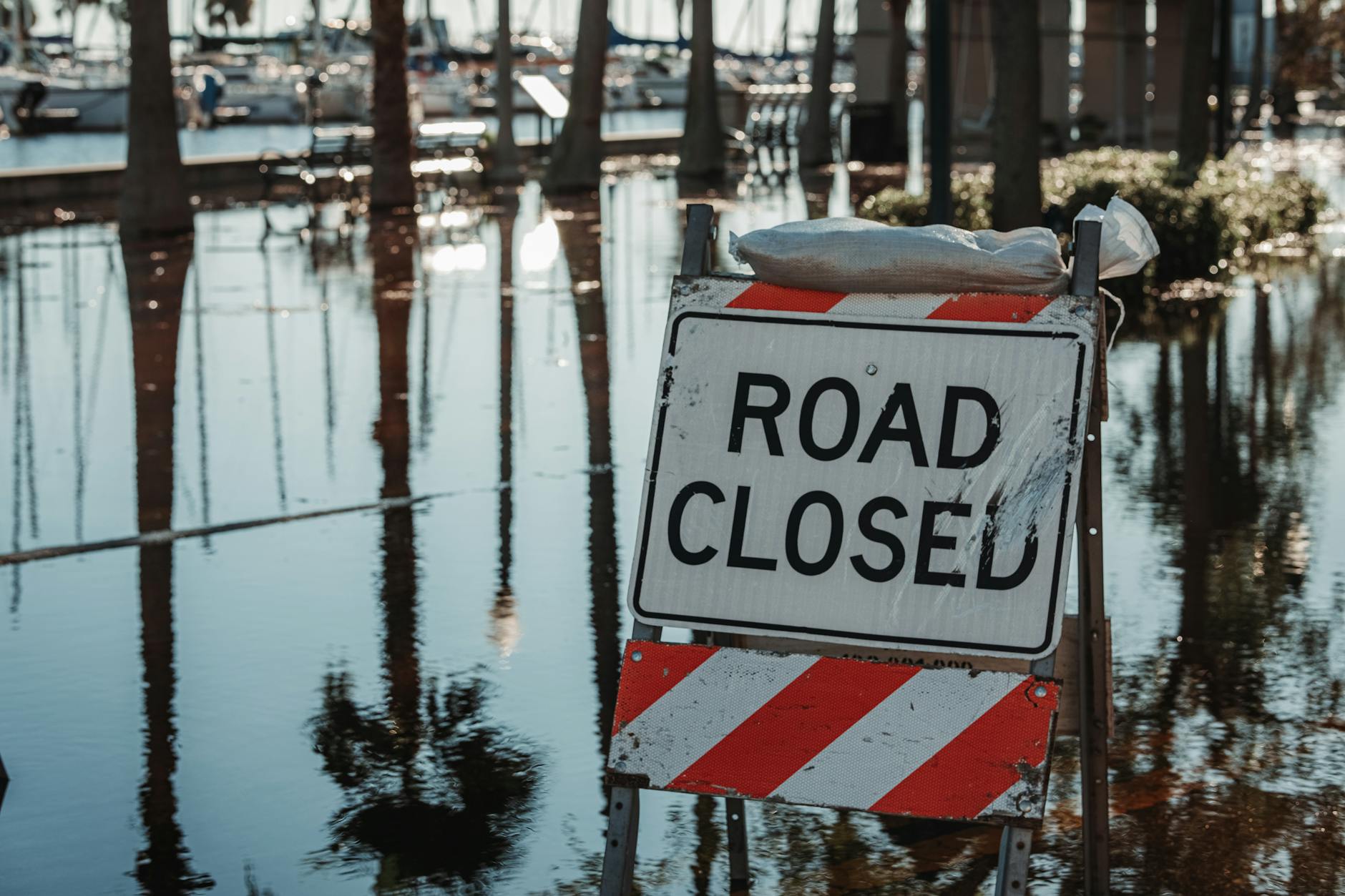
Hawaii is bracing for continued impacts from Hurricane Nolo, which still threatens flash flooding and strong winds even as it moves away. Meanwhile, communities in Baja California are preparing for the imminent arrival of powerful Hurricane Polo, expected to make landfall on Monday. This dual threat comes amidst an unusually active Pacific storm season, consistent with El Niño patterns, raising concerns about increasing storm intensity and frequency. The repeated impacts underscore the urgent need for robust preparedness and resilient infrastructure in a changing climate.
Hawaii's Big Island continues to grapple with the aftermath and lingering threats from Hurricane Nolo. Despite moving away, the storm's outer bands could unleash up to 20 inches of rain, risking life-threatening flooding and mudslides in areas already recovering from previous storms like Hurricane Lala. Residents are urged to stay indoors, as strong winds could bring down trees and power lines, hindering recovery efforts. Hawaiian Electric crews, who were assisting Kauai after Hurricane Lowell, have returned to prepare for Nolo's impact across the islands.
Across the Pacific, Baja California is on high alert for Hurricane Polo, a dangerous Category 3 storm with 125 mph winds. It's expected to make landfall on the peninsula Monday, having already lashed parts of Mexico's southwest coast. Coastal communities, some only recently gaining consistent electricity, fear washed-out roads could cut off access to vital services, including medical facilities. The Mexican military is mobilizing personnel and aid, preparing shelters and supporting local electrical crews in towns like San Juanico.
This unusually active hurricane season in the Pacific, with storms running above average during what is already the peak, aligns with known El Niño patterns. However, the increasing frequency and intensity of such powerful weather events serve as a stark reminder of our changing global climate. Adapting to these shifts, bolstering our infrastructure, and embracing sustainable solutions become increasingly crucial steps to protect communities and ensure long-term resilience against nature's growing challenges.