Pacific Unleashes Double Threat: Communities Brace for What's Next

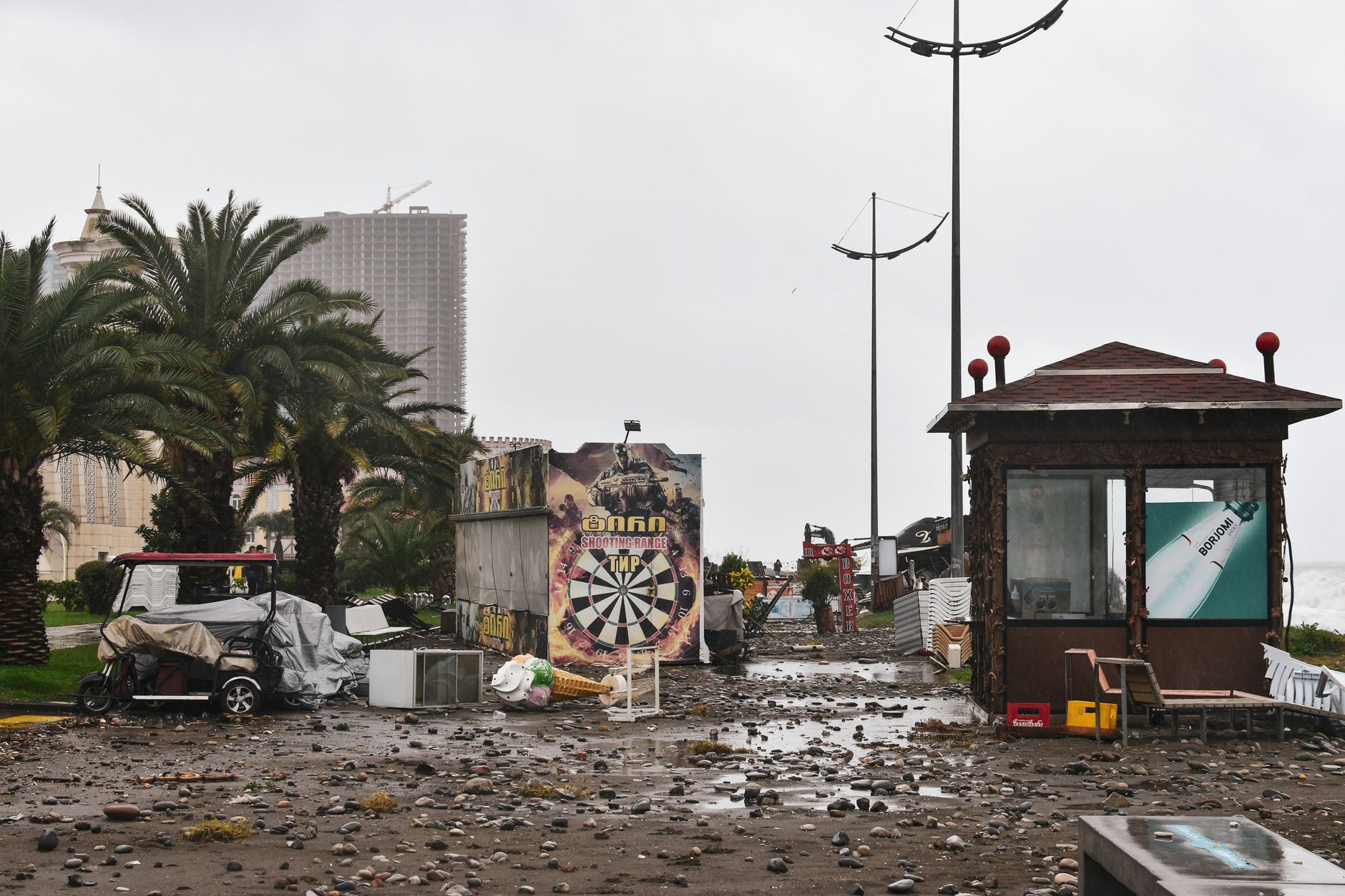
The Pacific Ocean is churning with extreme weather as two powerful hurricanes, Polo and Nolo, threaten coastal communities in Mexico and Hawaii. Hurricane Polo is expected to bring life-threatening flooding and mudslides to southwestern Mexico, while Tropical Storm Nolo, set to become a hurricane, is poised to unleash catastrophic rainfall on Hawaii's Big Island. These intensifying storms highlight the severe environmental challenges facing vulnerable regions, underscoring the urgent need for robust climate action and preparedness. Residents in both areas are rushing to protect homes and businesses from the looming danger.
In Mexico, Hurricane Polo, now an "extremely dangerous" major storm, is set to drench the southwestern coast, particularly Guerrero state. Forecasters warn of 4 to 6 inches of rain, risking devastating mudslides and flooding. This region, often hit by hurricanes, faces immense challenges, especially for its rural and less affluent communities. Local residents, like Concepción López Villegas who is trying to save her seaside restaurant, express deep worries about losing their life’s work to the storm’s fury. Mexico's government has mobilized resources, calling for evacuations and setting up shelters, but the sheer power of these storms underscores the escalating threat to lives and livelihoods.
Meanwhile, thousands of miles away, Tropical Storm Nolo is rapidly strengthening as it heads towards Hawaii. Expected to become a hurricane by Thursday, Nolo could unleash an astonishing 20 to 30 inches of rain on the Big Island. This deluge poses a severe risk of catastrophic flash flooding and mudslides, especially since the ground is already saturated from previous hurricanes like Lala and Lowell. Officials are urging immediate action, stressing that 'today is really the last dry day' for residents to prepare emergency kits, secure homes, and clear drains. The potential for prolonged power outages adds to the urgency, highlighting how communities are increasingly vulnerable to these extreme weather events.
The recurring intensity of these Pacific hurricanes is a powerful reminder of the global warming crisis and the vital importance of environmental action. As our climate continues to shift, communities worldwide will face more frequent and severe weather. Investing in sustainable infrastructure and accelerating the transition to clean energy solutions are crucial steps to protect our planet and its people from such devastating impacts. Every action, big or small, contributes to building a more resilient future against these growing threats.