Panama Drought: One Simple Change Is Saving Ranches

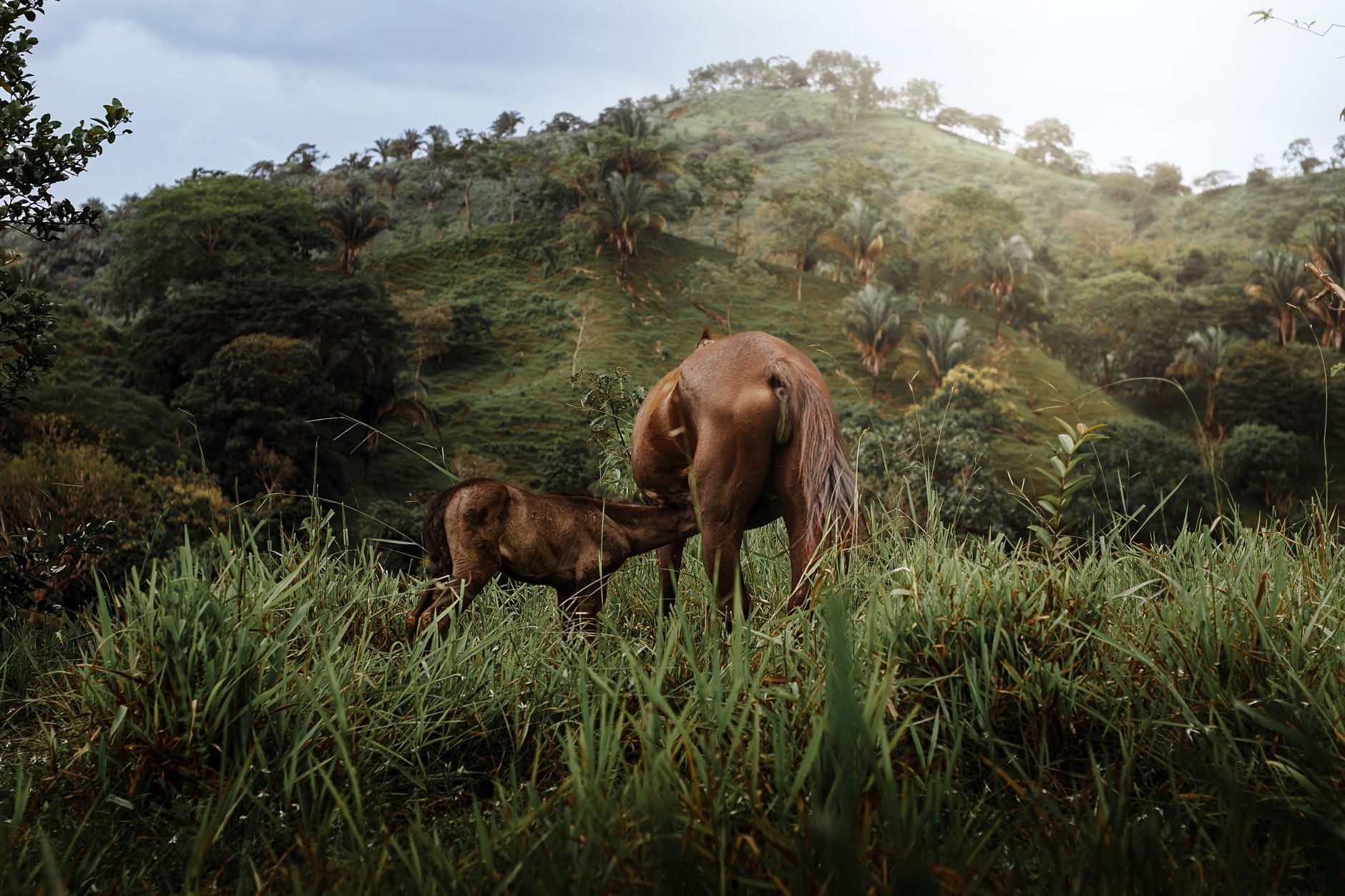
Ranchers on Panama's Azuero Peninsula are confronting an unprecedented drought, intensified by a historically strong El Niño, threatening their livelihoods. For generations, they've relied on traditional methods, but now face the very real risk of their vital water sources drying up. In response, many are turning to an age-old, sustainable solution: silvopasture. This innovative approach, which integrates trees into cattle grazing lands, is proving crucial for maintaining water supplies and resilient farms amidst the escalating climate crisis, highlighting the urgent need for environmental adaptation.
Ismael Solis, a lifelong rancher on Panama’s Azuero Peninsula, faces a dire situation as his stream, which nourishes his cattle, may run dry for the first time. An El Niño alert has been issued for the region, warning of significantly reduced rainfall and increasing the likelihood of extreme drought. This year's dry spell is hitting hard, forcing ranchers like Edwin Carrasco to pump water from wells and leaving Cecibet Peralta's expanded reservoir completely dry, moving her cattle to find water elsewhere.
These ranchers are experiencing firsthand how higher temperatures and increasingly irregular rainfall patterns, exacerbated by climate change and potentially stronger El Niño events-driven droughts, threaten their way of life. The landscape, once heavily forested, now shows scattered trees, remnants of what was lost to conventional ranching. However, a sustainable alternative is taking root.
Many on the Azuero are switching to silvopasture, a system that strategically incorporates trees into pastures. Unlike traditional methods that clear land entirely, silvopasture uses planted and naturally growing trees alongside mixed-rotation grazing cycles. Ranchers like Manuel Cedeño praise the results: “Nowadays, we have a greater abundance of water because of the way it has been managed. Better water quality, better forage for the animals; more biodiversity.”
Experts explain that trees in these systems offer multiple benefits, including shade, diverse forage for cattle, and improved soil health. Crucially, they help preserve water levels and quality. Increased tree cover along water sources reduces evaporation, and dedicated water pumps prevent cattle from polluting natural streams. This makes farms much more resilient during droughts, effectively conserving and utilizing water.
While transitioning to silvopasture requires initial investment and doesn't eliminate all negative environmental impacts of cattle ranching, such as methane emissions, the benefits for water-stressed areas are undeniable. For ranchers like Solis, who haven't yet made the switch, the current drought is a powerful motivator. As climate change brings more frequent extreme weather across Latin America, silvopasture offers a vital path forward for both ranchers and the environment. Changing the mindset from deforestation to integrated, sustainable farming is key to a healthier future.