Pennsylvania Lags on Solar: What's Holding It Back?

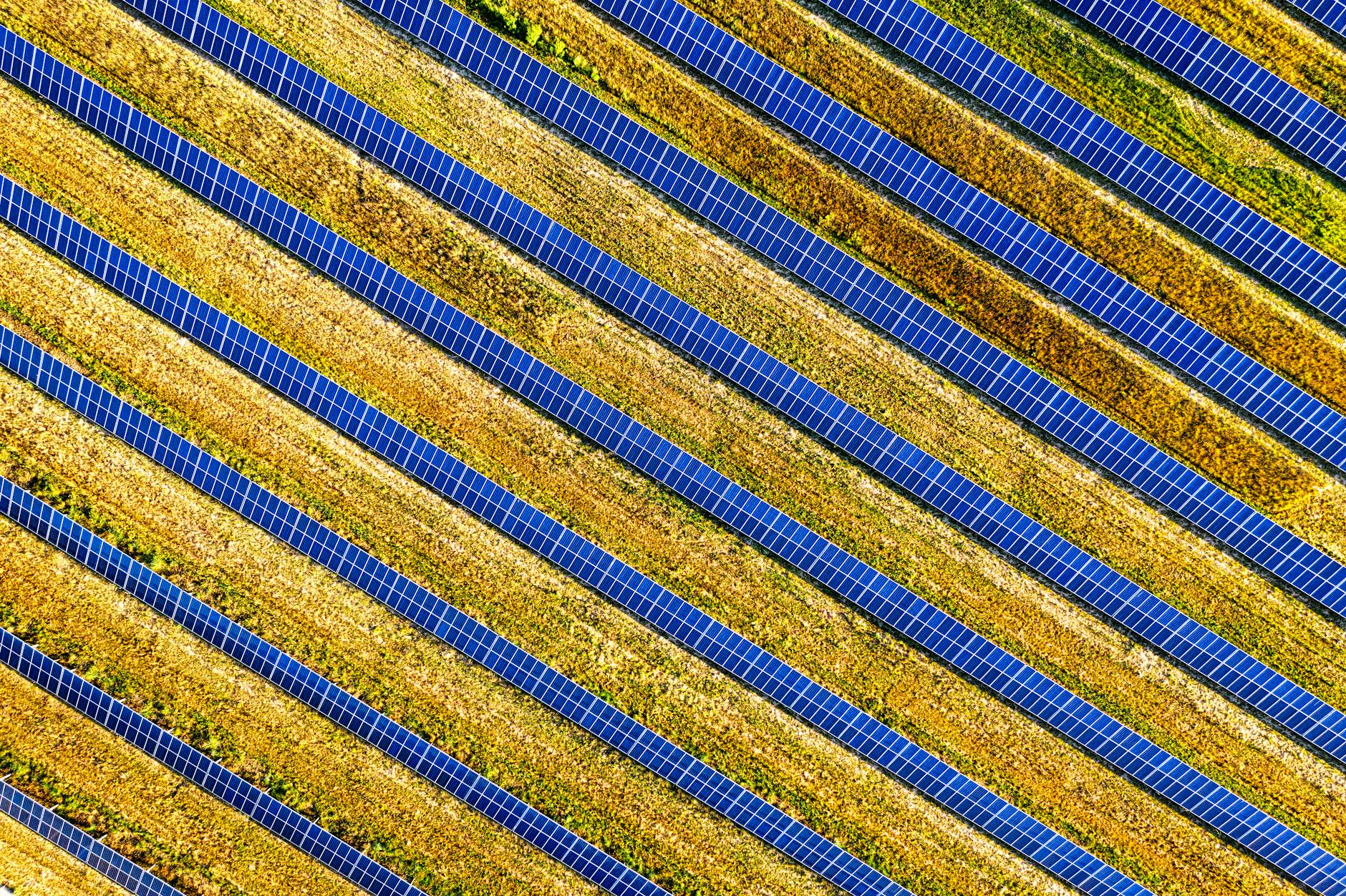
Pennsylvania, once a leader in clean energy, now struggles to keep up with solar adoption, ranking near the bottom nationally for renewable energy growth. A new report by PennFuture highlights “policy inertia” within the state legislature, which favors natural gas over increasingly affordable renewable solutions. This slow progress not only delays crucial environmental action but also exposes residents to unstable electricity prices and exacerbates the impacts of climate change, including costly extreme weather. Swift policy changes are needed to harness solar's potential and secure a cleaner, more stable energy future.
Environmental advocates are urging Pennsylvania leaders to reprioritize clean energy, pointing out the state's significant lag in solar development. The nonprofit PennFuture recently released a report outlining actionable steps, criticizing state lawmakers for failing to pass bills that would boost solar adoption and lower consumer energy costs.
Key recommendations from the report include allowing community solar, which helps renters and others without their own rooftop space access local solar arrays. It also suggests utilizing the vast rooftops of warehouses and industrial brownfield sites for photovoltaic panels, along with redeveloping shuttered coal mines and power stations for solar fields. Furthermore, PennFuture advocates for increasing the state’s renewable energy requirements; Pennsylvania currently mandates only 18 percent from renewables, far behind neighboring New Jersey, which aims for 50 percent by 2030.
Despite a slim Democratic majority in the state House passing many such bills, they have been stalled by the Republican-controlled Senate. Critics argue that Senate Republicans are influenced by the natural gas industry, pushing for an over-reliance on gas. While Pennsylvania has abundant gas, depending too heavily on one source can lead to unstable electricity prices tied to international markets. Natural gas, while cleaner than coal, still contributes significantly to the climate pollution driving severe extreme weather events across the state.
Adding to the demand for electricity, over 50 data centers are planned for Pennsylvania. In response, Governor Josh Shapiro issued an executive order last week requiring these centers to provide their own power, cover transmission upgrade costs, and source an increasing amount of electricity from renewables, aiming for 32 percent by 2035. While a positive step, advocates stress that legislative action is still crucial to guarantee broader renewable energy mandates and shift Pennsylvania towards a sustainable energy economy.
Experts emphasize that the barrier isn't a lack of technological capability or effective policies, but rather the political will to implement these vital changes. Pennsylvania currently ranks 47th nationally in renewable energy growth over the past decade, demonstrating a clear need for decisive action to transition from 19th-century energy systems to those fit for the 21st century.