Pennsylvania residents demand action: What’s fueling AI data centers?

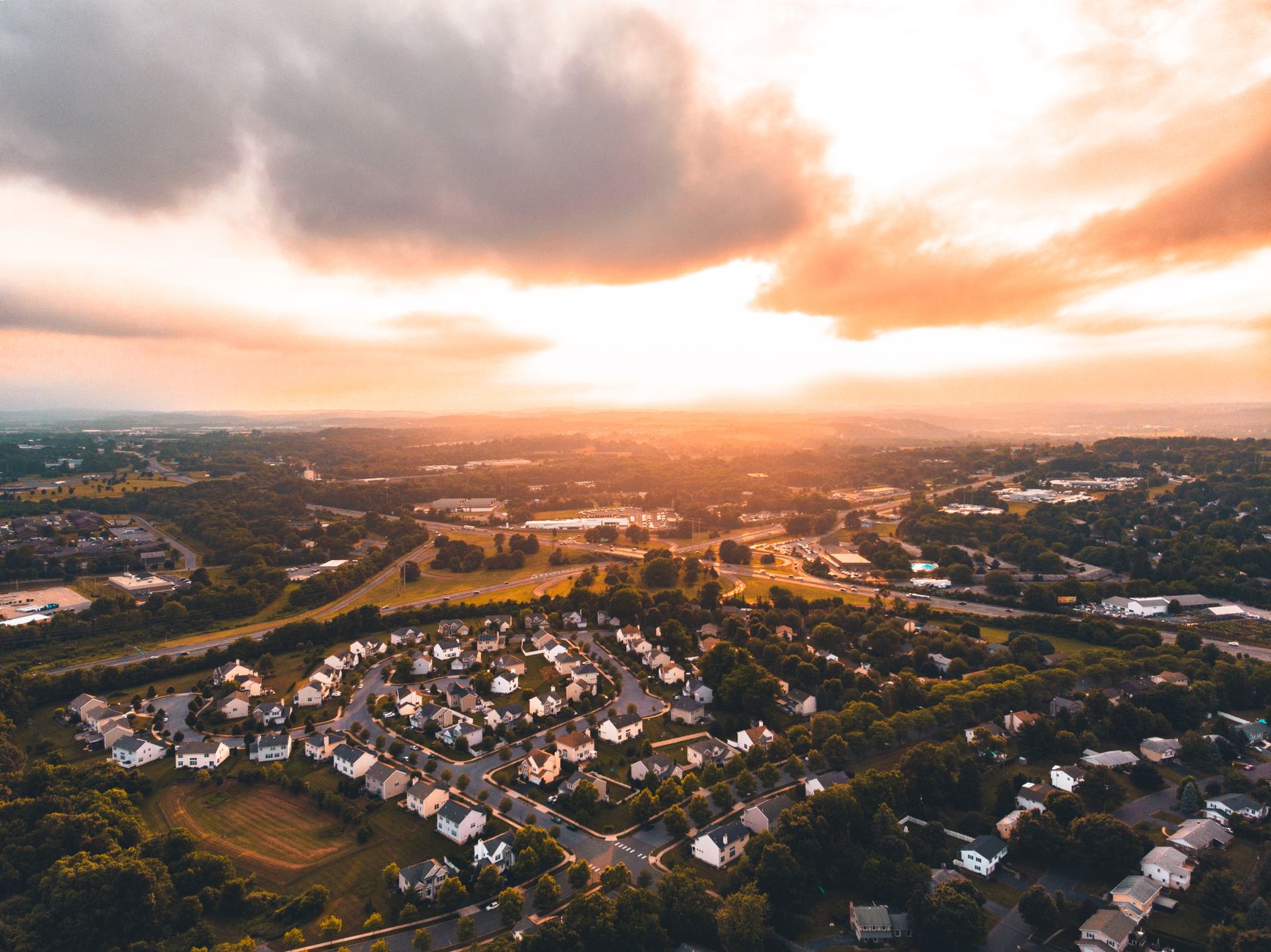
Environmental groups and concerned citizens rallied in Harrisburg, Pennsylvania, pushing for stricter regulations on natural gas fracking. They urge state regulators to significantly increase the protective buffer zones between gas wells and residential areas, schools, and water sources. This push comes amidst growing demand for natural gas to power new AI data centers, raising serious environmental and health concerns for communities. The advocates stress the critical need for immediate action to safeguard public health and the environment from expanding fossil fuel operations, which worsen climate change.
A diverse group of environmental and community advocates gathered at the Pennsylvania state capitol, demanding that the Department of Environmental Protection (DEP) take action on a two-year-old petition. Their core concern is the current minimum distance allowed between fracking wells and places where people live, learn, and gather. With the rise of energy-hungry AI data centers, many fear an increase in natural gas production, bringing fracking closer to their doorsteps.
Residents like Katie Weber, worried about a large data center cluster planned near her home, voiced a clear message: no data centers powered by natural gas, and no fracking near homes, schools, or daycares. This mirrors a broader sentiment, as activists also recently called for a temporary halt on data center construction. While Governor Josh Shapiro initially supported the AI buildout, he has since adjusted his stance, implementing orders to make data center developers pay for their increased power needs. However, some worry this could unintentionally push them toward more natural gas reliance.
Environmental experts emphasize that increasing natural gas production to fuel these data centers will lead to more local pollution and negative health impacts, particularly in areas already heavily fracked. A growing body of peer-reviewed research suggests that the existing 500-foot setback for gas wells is simply not enough to protect communities from issues like noise, poor air quality, and the risk of accidents or spills, which can have long-term health harms.
Advocates are proposing a common-sense protective setback of one kilometer (over 3,000 feet) from homes, and even greater distances for vulnerable spots like schools and hospitals. They point to states like Colorado, which expanded its setbacks to 1,000 feet from schools in 2018, and a 2020 Pennsylvania grand jury recommendation for 2,500 to 5,000-foot buffers. Critics argue that after two decades of shale gas drilling, ignoring the need to update these protective measures would be a major oversight.
The DEP is currently reviewing the petition, citing the scientific studies included, and plans to deliver a recommendation. Meanwhile, the natural gas industry, through the Marcellus Shale Coalition, contends that the DEP lacks the legal authority to change setback requirements through this process, arguing that such changes must come from the legislature. Despite this, environmental groups remain hopeful for a positive response from the DEP by year-end, stressing the importance of protecting communities from fossil fuel expansion, especially as we face urgent global warming challenges. Transitioning to cleaner energy solutions and reducing reliance on natural gas is crucial for a sustainable future.