Pennsylvania's hidden legacy: Thousands of forgotten wells

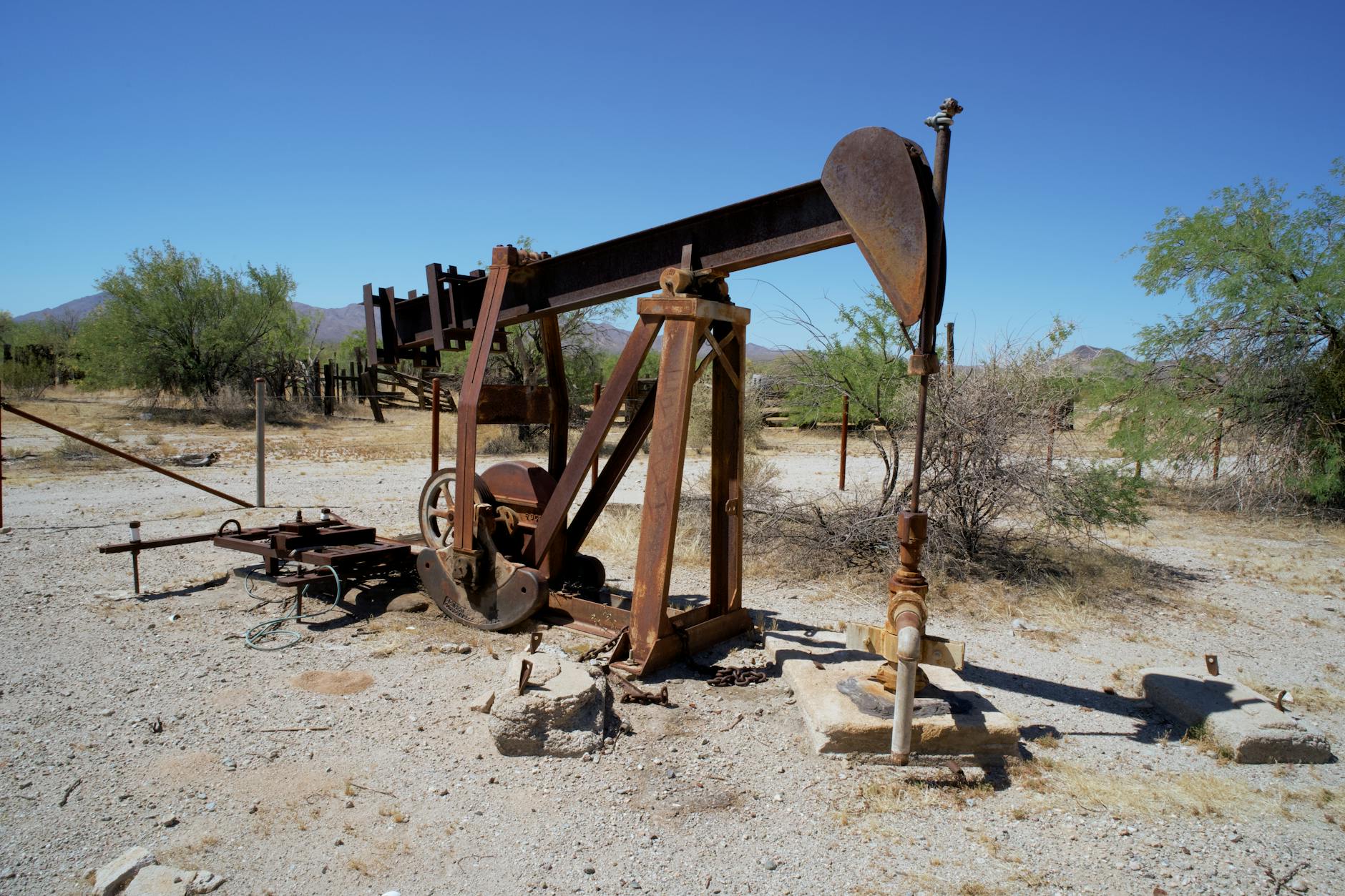
Pennsylvania's rich history of oil and gas exploration has left behind a complex and often dangerous legacy: hundreds of thousands of abandoned wells. Many of these forgotten wells are hidden from sight, scattered across the landscape from forests to suburban neighborhoods. These relics of a bygone era can leak explosive methane, a potent greenhouse gas, alongside toxic chemicals like benzene, posing significant threats to public safety and the environment. To empower residents, Inside Climate News and the Pittsburgh Post-Gazette have launched a new, easy-to-use mapping tool, helping people identify potential hazards near their homes and communities.
For over a century, Pennsylvania's land has been drilled for oil and gas, creating a hidden maze of wells. Many of these sites were simply left behind when operators closed down, with little to no visible trace on the surface. These abandoned wells are more than just historical curiosities; they represent a serious environmental and safety hazard.
Crucially, many forgotten wells leak methane, a powerful greenhouse gas that significantly contributes to global warming. Beyond climate concerns, these leaks can release toxic carbon monoxide and carcinogens like benzene into the air and water, threatening local ecosystems and human health. Residents might unknowingly live near these dangers, which can manifest as unexplained sinkholes, dead vegetation, or strange petroleum smells.
Recognizing this widespread problem, Inside Climate News and the Pittsburgh Post-Gazette collaborated to create a user-friendly online map. This tool simplifies the state's complex data, making it easier for anyone to locate wells near their home, school, or park. By categorizing wells as active, plugged, abandoned, or historical, the map helps shed light on an issue that has long been obscured.
While the map provides invaluable information, it's important to remember that not all wells are documented. Hundreds of thousands more might exist, unrecorded and unseen. This highlights the urgent need for ongoing environmental vigilance and collective action to address the legacy of fossil fuel extraction. Understanding where these wells are is the first step toward securing our communities and protecting our planet from these silent threats.
If you find a suspicious well, or have concerns about a mapped location, the state’s Department of Environmental Protection can be contacted directly to report the issue here. Providing GPS coordinates and details about environmental or safety risks will help prioritize the report. Penn State University also offers water testing for drilling-related pollution.