Pennsylvania's New Haze: What's Really Clouding Our Skies?

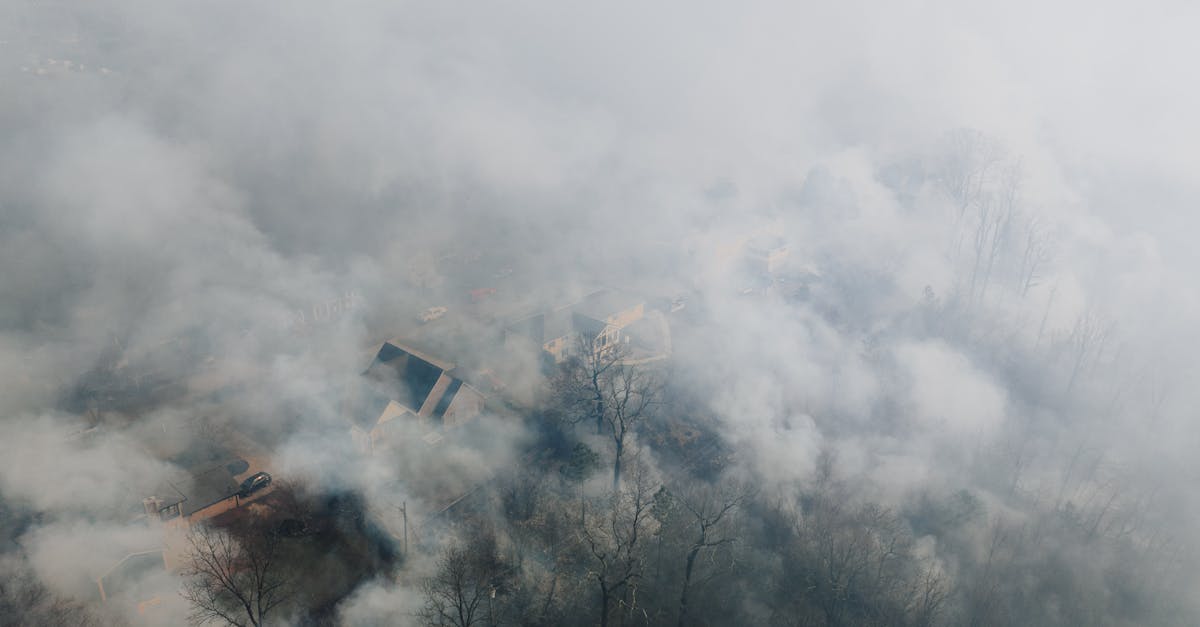
Pennsylvania is grappling with an unexpected and dangerous climate hazard: thick wildfire smoke drifting from far-off Canadian fires. This new reality, a stark contrast to decades of improved air quality, is forcing communities to confront unhealthy air levels. Children, the elderly, and outdoor workers are especially vulnerable to the tiny, harmful particles that can cause serious health problems. This unprecedented challenge underscores the urgent need to understand and adapt to the widespread impacts of a warming planet.
Karen Schaeffer, who has run a childcare center in Lititz, Pennsylvania, for 39 years, recently faced an unprecedented decision: keeping 130 children indoors due to hazardous air. On July 17, the air quality index in Lititz soared to 270, a level deemed 'very unhealthy.' This situation, once unimaginable in Pennsylvania, where industrial air pollution was largely curbed decades ago, highlights a new and alarming climate trend. The summer of 2023 saw similar conditions, indicating this is not an isolated incident.
Experts like Alex Bomstein from the Clean Air Council note that many Pennsylvanians are dangerously unaware of the risks. Nicholas Muller, an environmental policy and economics researcher at Carnegie Mellon University, co-authored a paper estimating that wildfire smoke caused $200 billion in health damages and 20,000 premature deaths in the U.S. in 2017. Children are particularly susceptible to poor air quality because they breathe more rapidly and can absorb more pollution. These tiny particles, known as PM2.5, can penetrate deep into the lungs and bloodstream, leading to everything from asthma attacks to cardiovascular disease.
While factors like forest management play a role, the warming climate, primarily driven by burning fossil fuels, is making wildfires more frequent and intense. Hotter, drier conditions create a "thirstier atmosphere" that pulls moisture from vegetation and soil, fueling these destructive fires. Despite smoke-filled skies, State Rep. Greg Vitali observes a lack of public and political awareness connecting these events to climate change in Pennsylvania.
Currently, Pennsylvania lacks specific laws to protect outdoor workers during poor air quality events, leaving decisions about safety largely to individuals and organizations. This highlights the critical need for increased public education about the dangers of pollution. As Schaeffer puts it, the challenge is now an "international issue," making local protection efforts all the more vital in the face of dramatic climate shifts.