Pennsylvania's Quiet Battleground Reshapes Close Congressional Races

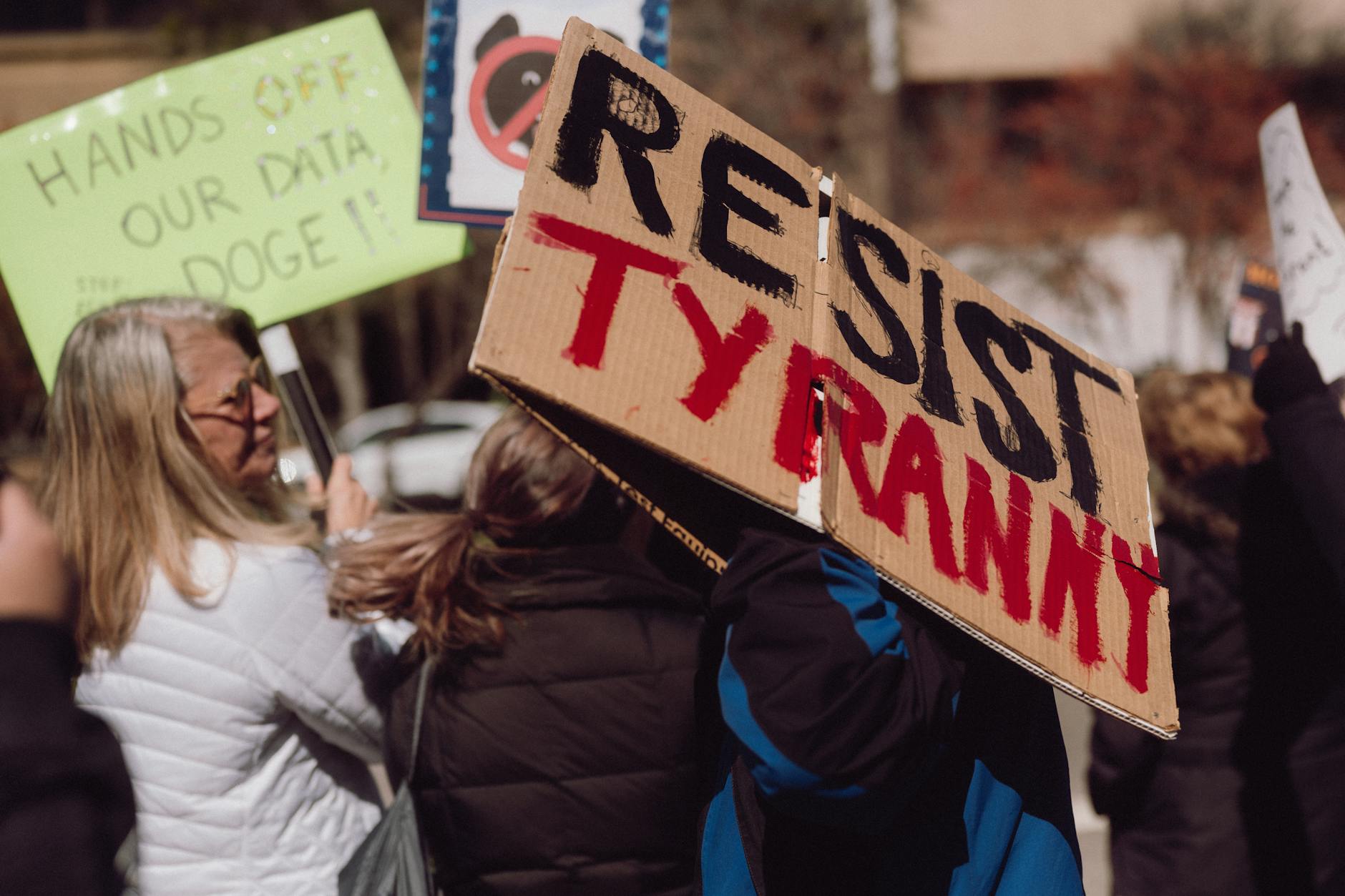
Across Pennsylvania, ordinary citizens like Laurie Gilley are uniting against proposed data centers, turning local concerns into a potent force in congressional elections. This unexpected grassroots movement, fueled by worries over soaring utility bills, property values, and environmental strain, is cutting across political lines. Experts suggest this widespread opposition could tip the balance in several tightly contested races, making the future of these massive digital hubs a surprisingly central election issue.
What began as a local fight in South Whitehall Township has spread like wildfire across Pennsylvania. Residents are deeply concerned about the arrival of large data centers, particularly when they are planned near homes or environmentally sensitive areas. People worry about everything from potential increases in utility bills and the impact on local property values to the significant demands on water and electricity supplies. There's also a strong desire to protect Pennsylvania’s unique rural character and natural environment from large-scale industrial development.
This movement is notable for its bipartisan nature, drawing support from across the political spectrum – a rare sight in today's political landscape. Candidates in some of the state's most competitive congressional districts are now grappling with how to address voter concerns, with some emphasizing local control over development decisions. A recent Quinnipiac University poll highlighted the strength of public sentiment, revealing that 74 percent of registered Pennsylvania voters would oppose a new data center in their community.
Pennsylvania's open spaces and available resources make it attractive to data center developers, who require vast land, reliable power, and water for cooling their extensive computer systems. However, this demand directly clashes with residents' desire to safeguard their communities and natural surroundings. While some acknowledge the economic benefits these centers could bring, or their importance for artificial intelligence advancements, many prioritize preserving their quality of life and local environment. The sheer scale of proposed projects – around 70 currently tracked across the state – ensures this issue will remain a critical talking point.
Political experts acknowledge the difficulty politicians face in navigating this issue, as support for these projects can make candidates vulnerable. The public engagement is unprecedented, uniting diverse groups with a shared goal: protecting their homes and the environment they cherish. While it might not always be the top-ranked issue for every voter, its widespread, cross-party appeal means its influence in close elections cannot be underestimated, underscoring the vital importance of community voices in shaping environmental and development policies.