Pennsylvania's Secret Scars: A Century of Unseen Danger

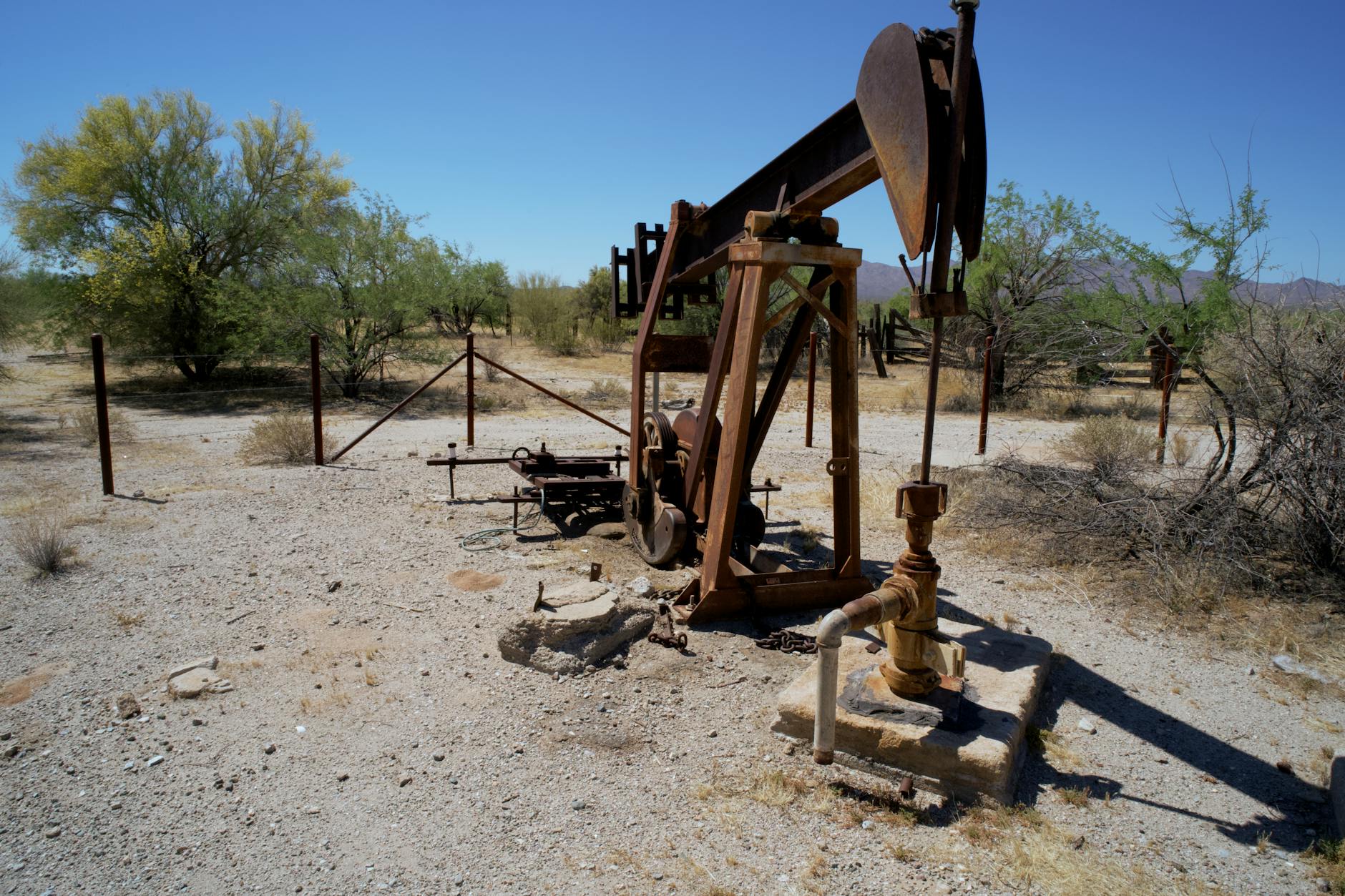
Pennsylvania, site of the world's first oil boom, now faces a daunting legacy: hundreds of thousands of abandoned oil and gas wells. Many of these forgotten wells, scattered across the state, leak methane—a potent climate pollutant—and other harmful chemicals like cancer-causing benzene. This poses significant risks, from contaminating water supplies to increasing the danger of home explosions. As communities expand, these hidden environmental threats become increasingly urgent, prompting a new interactive tool to help residents locate wells in their vicinity. Tackling this widespread problem is crucial for public health and environmental protection.
The serene landscape of the Pittsburgh Botanic Garden harbors a less-remembered past: an oil field graveyard. Rusted equipment and strange gurgling creeks hint at abandoned wells like "Jane McGill #1," a relic from the 1890s oil rush. This well is just one of hundreds of thousands across Pennsylvania, many of which are undocumented.
These aging wells are a significant environmental and public safety concern. They can release methane, a powerful greenhouse gas contributing to global warming, alongside other dangerous volatile organic compounds (VOCs) like benzene. These leaks not only foul the air but also pose risks of home explosions, as methane can trigger an explosion if it builds up, and contaminate private water wells. The ground beneath our communities, crisscrossed by old and new drilling, sometimes looks like Swiss cheese. As suburban areas expand, forgotten wells now lurk near homes, schools, and parks, making their presence a growing threat.
Recognizing this urgent issue, Inside Climate News and the Pittsburgh Post-Gazette have developed an interactive tool. This map allows Pennsylvania residents to check for active, abandoned, or orphaned wells near any address, including historical data missing from other resources. Finding and plugging these wells is a critical defense for public health and the environment, but the scale of the problem is immense.
Scientists estimate anywhere from 300,000 to 750,000 abandoned wells could exist across the state. Despite a recent influx of federal funding, plugging these wells will take many lifetimes and over a billion dollars for documented orphaned wells alone. A 2026 report found the average cost to plug an orphaned well and restore the site in Pennsylvania exceeds $100,000. While companies are legally responsible for plugging inactive wells, many go bankrupt or simply walk away, leaving taxpayers to bear the burden. Current regulations require only a fraction of the actual cost to be set aside for plugging, further perpetuating this costly cycle.
These emissions from abandoned wells are not insignificant. The EPA estimates they make up about 4 percent of total emissions from the American oil and gas industry, equivalent to the carbon pollution from 1.8 million gas-powered cars annually. This enduring legacy highlights Pennsylvania's historical "ethic of extraction," where economic gain often overshadowed environmental consequences, leaving behind a scarred landscape. Addressing these old wounds is not just about cleaning up the past; it’s about choosing a more sustainable path forward and ensuring a healthier environment for everyone.