Peru's Glaciers Melt: An Ancient Cycle Breaking [Climate]
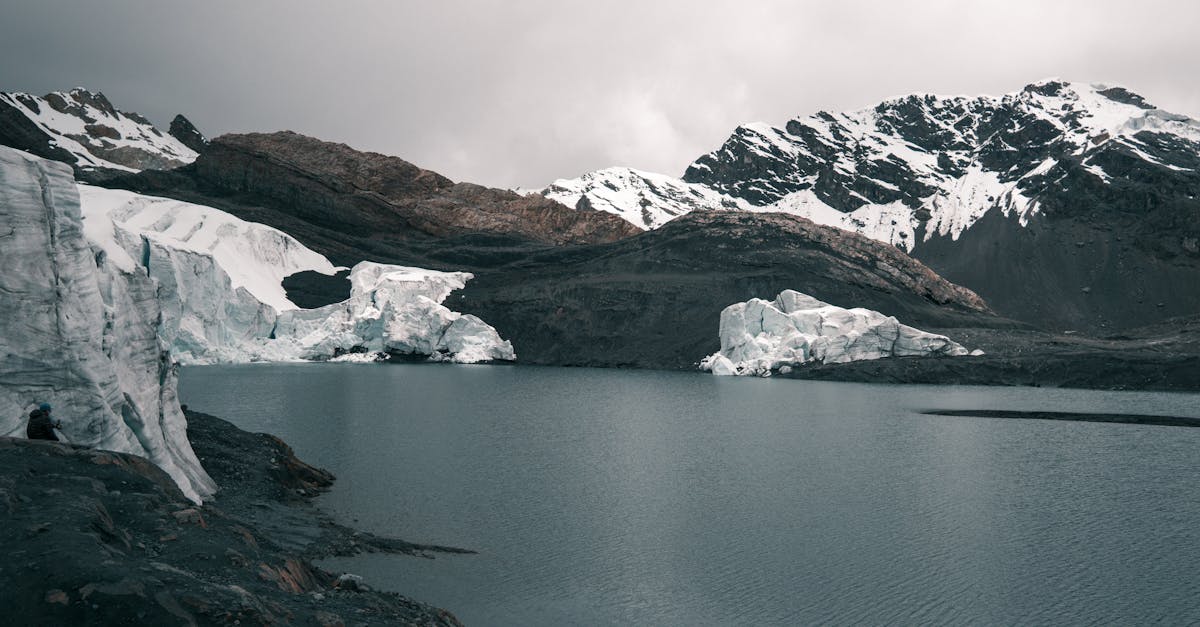
Peru, home to most of the world's tropical glaciers, is facing a severe crisis as these vital ice masses rapidly disappear. Between 2000 and 2016, the country lost nearly a third of its glacial area, with projections suggesting they could vanish entirely by 2056. This dramatic melt, driven by rising global temperatures, not only threatens the water supply for millions but also disrupts the delicate balance of ecosystems, from local farms to the vast Amazon Basin. Communities, especially those relying on agriculture, are struggling with erratic weather, crop failures, and increasingly contaminated water sources, highlighting the urgent need for climate action and sustainable solutions.
Peru's glaciers are melting at an alarming rate, a direct consequence of global warming. This isn't just a distant problem; it deeply affects people like Jenny, who grew up seeing her community struggle with changing weather patterns and crop failures, impacting their livelihoods and even children's education. The poorest families and women often bear the heaviest burden when nature's rhythm is broken. According to the *Journal of Water and Climate*, Peru could lose all its glaciers by 2056 if current rates continue.
The Andes mountains are far more than just peaks; they are living systems whose glaciers feed rivers crucial for local valleys and even the mighty Amazon rainforest. This interconnectedness means that as glaciers disappear, a vital cycle of moisture that nourishes both the mountains and the rainforest begins to falter. The situation is dire, with Andean glaciers now at their lowest levels in over 11,700 years, according to a recent paper published by *Science*.
Beyond the loss of water, melting ice is revealing rocks that release harmful acids and heavy metals, contaminating precious water sources. The city of Huaraz, for example, has already lost two major watersheds to pollution, relying on just one safe source. Contributing to this rapid melt is black carbon—soot from burning fossil fuels and other materials—which darkens the ice, making it absorb more heat. One study has detected black carbon from Amazon burning settling on Andean glaciers. This soot also finds its way into rivers, further polluting water already tainted by unchecked mining operations, as research has found for the Río Santa. These operations have a long, exploitative history in the region, tracing back to colonial rule, as archaeologist Sarah Kennedy notes in an article in *Sapiens*, leaving a legacy of environmental destruction and social inequality.
Despite limited help from above, Andean communities are actively fighting back. They are tapping into ancient wisdom, reviving practices like restoring wetlands and repairing pre-Columbian irrigation systems to conserve water and protect their land. Collaborations between local groups, researchers, and governments are also leading to efforts like replanting native forests and building artificial lagoons to store rainwater. These actions are powerful statements of resistance, showing that while the global climate crisis is immense, local determination and sustainable practices offer a crucial path forward, demonstrating that environmental solutions are often found in collective action and respect for nature.