Shocking Truth: How One Port Threatens Earth's Climate Lifeline
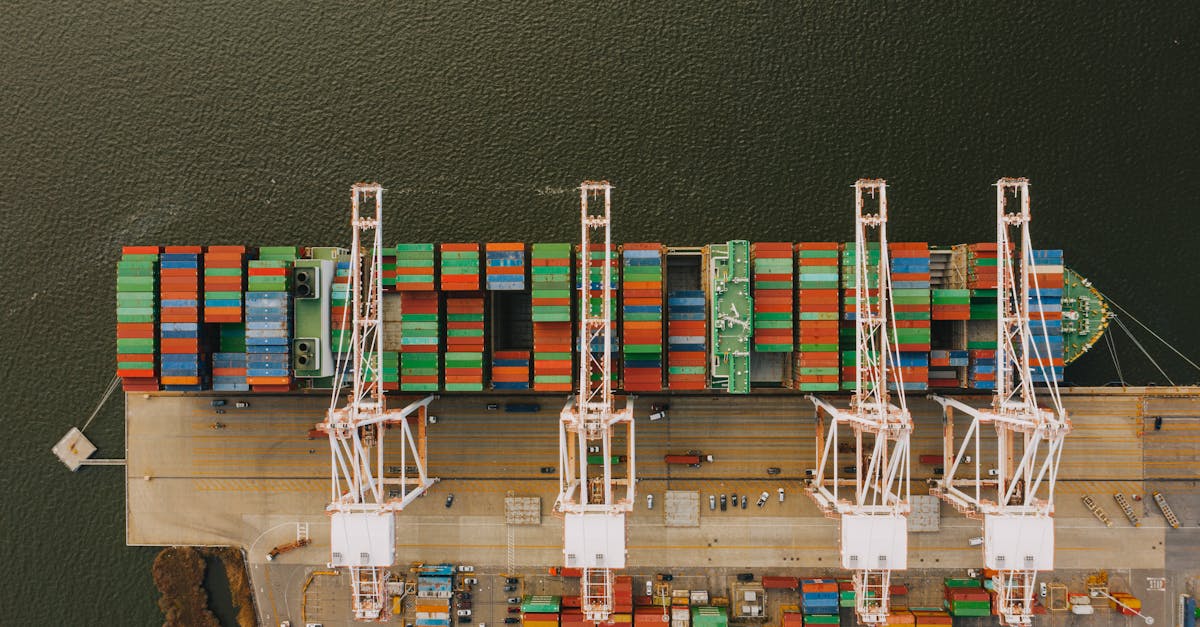
A massive new Chinese-backed port has just opened in Chancay, Peru, promising to revolutionize global trade by creating a direct shipping route between South America and Asia. While this project brings significant economic opportunities, it also poses grave environmental threats. Scientists are sounding the alarm that the port could reignite ambitions for new infrastructure, like roads and railways, linking the Amazon rainforest to the Pacific coast. Experts warn these developments could drastically accelerate the destruction of this vital, climate-critical ecosystem, leading to disaster for local communities and wildlife. This situation highlights a critical choice between development and planetary health.
The recently opened Chancay port in Peru is a huge deal, not just for Peru but for global trade. Backed by China, this project is part of their ambitious Belt and Road Initiative and is designed to create a straight-shot shipping lane from South America all the way to Asia. For nearly two decades, this port has been a dream to connect the continent's resources directly to the world's largest ocean, promising incredible economic growth.
However, this exciting new gateway comes with a heavy price tag for the environment. Experts are deeply concerned that the port's magnetic pull could reawaken long-standing plans for new roads, railways, and water routes. These connections would aim to link the valuable resources of the Amazon rainforest directly to Peru's west coast and the new port.
Such developments, while seemingly beneficial for trade, could spell disaster for the Amazon. Scientists are issuing urgent warnings: connecting the Amazon in this way could drastically speed up the destruction of this invaluable ecosystem. The Amazon is crucial for regulating our planet's climate, and its loss would have devastating consequences for communities and wildlife worldwide. This complex situation, including its potential impacts on ecosystems, was extensively reported by Georgina Gustin for Inside Climate News.