Peru's Glaciers Vanishing by 2056!
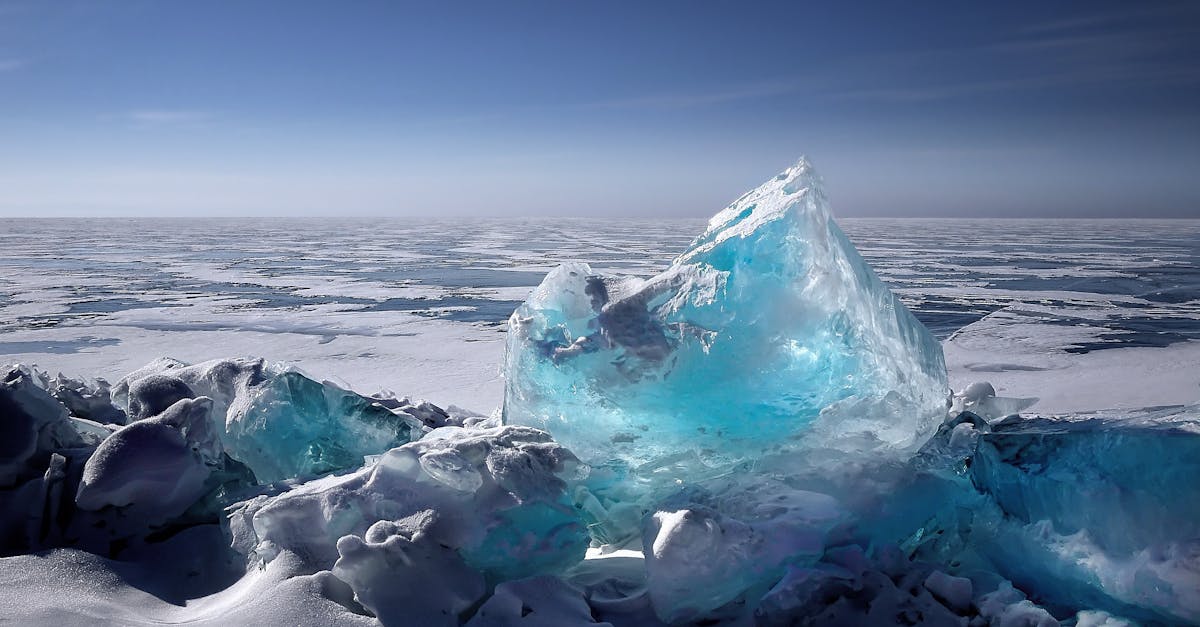
Peru's stunning tropical glaciers, which make up over 70 percent of the world's total, are rapidly disappearing. Between 2000 and 2016 alone, the country lost nearly a third of its glacial area, and experts warn they could be gone entirely by 2056. This isn't just a scenic loss; it's a profound crisis for communities depending on these ice giants for water, agriculture, and a stable climate, with the poorest families bearing the brunt of the changes. The rapid melting affects not only local valleys but also the vast Amazon Basin, disrupting a vital natural cycle.
The rapid disappearance of Peru's glaciers is a deeply personal crisis for many, especially those in agricultural communities like Cocha Hongo in the Llanganuco basin. Farmers have noticed the erratic rainfall and rising temperatures disrupting their traditional calendars for decades, leading to crop failures and increased pests. Without immediate government support, families are left to cope on their own, often sacrificing their children's education as they struggle to survive.
These Andean mountains are more than just peaks; they are living systems. Their glaciers, wetlands, and rivers are crucial, feeding not only local valleys but also distant regions, including the Amazon Basin. The Andes and the Amazon share a vital connection: the mountains help create the rains that nourish the rainforest, and in turn, the Amazon releases moisture that returns to the Andes as "flying rivers." When the glaciers vanish, this delicate and essential cycle begins to fall apart, threatening the entire ecosystem.
Tropical glaciers are especially vulnerable to warming. A recent study published in Science shows that Andean glaciers have reached their lowest levels in over 11,700 years. This melting brings another hidden danger: acid rock drainage. As the ice retreats, it exposes rocks previously untouched by air or water. If these rocks contain sulfides, they react to produce acidic runoff filled with heavy metals, contaminating precious water sources. The city of Huaraz, for example, has already had to abandon two main watersheds because of this pollution. On top of that, black carbon – soot from burning fossil fuels and other materials – settles on the ice, making it darker and causing it to absorb more heat, accelerating the melt. Research has even detected black carbon from Amazon fires reaching these Andean glaciers.
The consequences are already evident. The Río Santa, which once flowed with clean glacial water, is now heavily polluted. Studies have found that nearly 85 percent of sampled sites exceed safe limits for multiple elements, with arsenic levels ten times higher than recommended. This widespread contamination is largely due to mining operations, both active and abandoned, a legacy that stretches back to Spanish colonial times and continues to fuel environmental destruction and inequality today.
Despite the limited state support, communities in the Andes are not giving up. They are reviving ancestral practices to adapt and resist, such as bringing back native plants that help retain moisture and restoring ancient pre-Columbian irrigation systems. Groups like traditional community organizations (ayllus), NGOs, and local governments are collaborating to restore grasslands, replant native forests, and build artificial lagoons to store rainwater. These efforts are powerful acts of resistance, demonstrating a deep commitment to protecting their land and culture, showing that with support, people can continue to live in harmony with the mountains they call home.