Philippines Unveils World's Largest Solar+Battery Hub. Why Now?

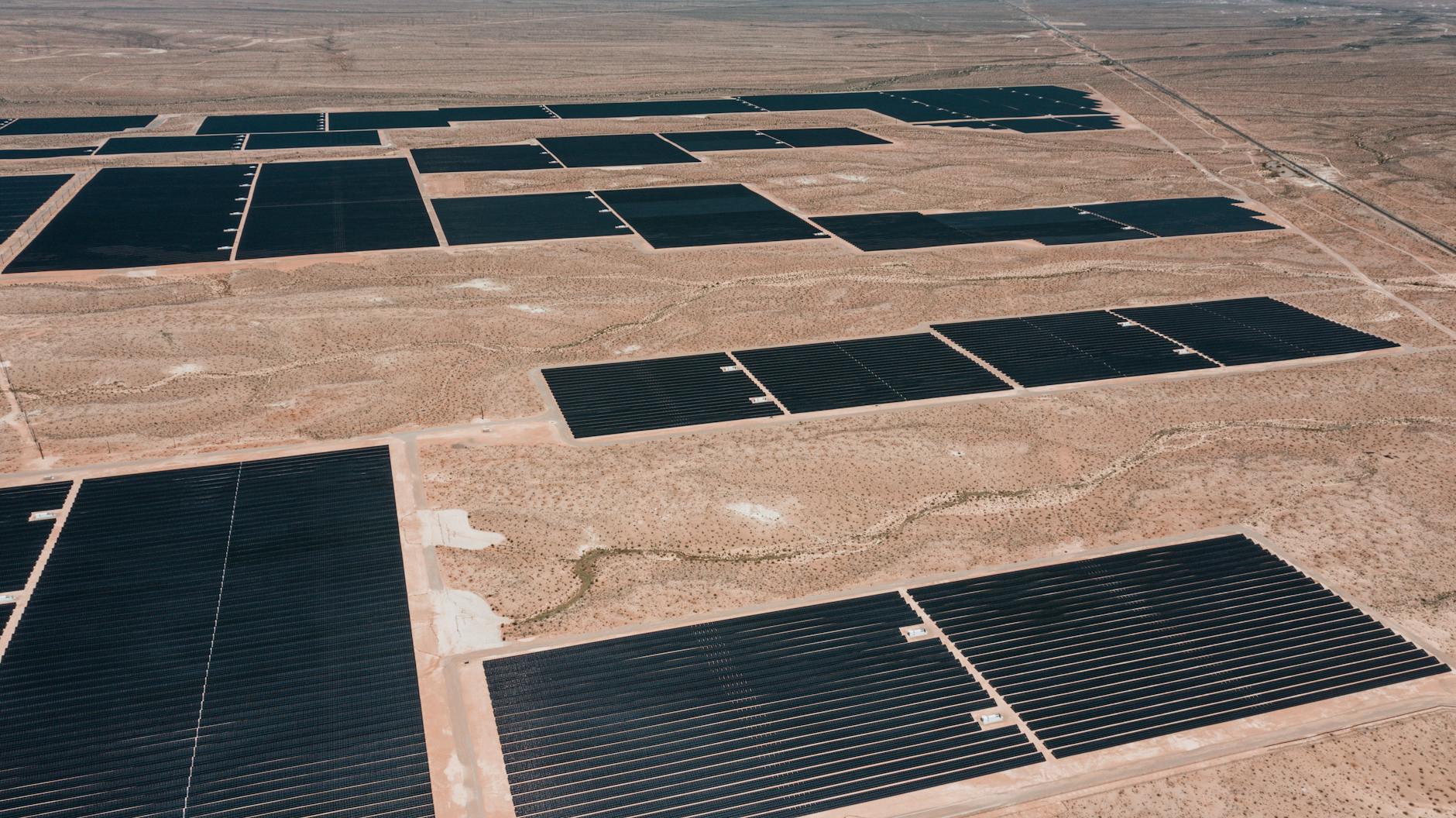
The Philippines has marked a significant step forward in clean energy, inaugurating the first phase of the MTerra Solar Project. Set to be the world's largest integrated solar and battery storage facility on a single site, this ambitious project aims to power over 2.4 million Filipino homes. It represents a crucial move away from fossil fuels, drastically reducing carbon emissions and strengthening the nation's energy independence. This historic development underscores the urgent global shift towards sustainable solutions and cleaner technologies to combat climate change.
The Philippines recently celebrated a monumental achievement in its clean energy journey with the inauguration of the first part of the MTerra Solar Project. This ambitious facility, located across Nueva Ecija and Bulacan, is poised to become the world's largest combined solar and battery energy storage site. Once fully operational, it will deliver a massive 3,500 megawatts of solar power, supported by 4,500 megawatt-hours of battery storage, capable of supplying electricity to over 2.4 million Filipino homes. This groundbreaking endeavor is expected to prevent around 4.3 million metric tons of carbon dioxide emissions annually, highlighting a strong commitment to environmental protection.
A key element of this project is its large-scale battery storage, which tackles a common challenge with solar power: the sun doesn't always shine. These batteries store excess electricity generated during the day, making it available at night or during peak demand. This not only ensures a steady power supply but also reduces the need to fire up fossil fuel plants, making the grid more stable and reliable. The International Energy Agency (IEA) points out that battery storage is rapidly becoming vital worldwide as countries embrace more solar and wind energy.
For the Philippines, this project is particularly significant. The nation has traditionally relied heavily on imported coal and natural gas for electricity, making it vulnerable to global price swings. This new clean energy hub aligns with the country's bold Philippine Energy Plan, which aims for renewable energy to supply 35% of electricity by 2030 and 50% by 2040. As President Ferdinand Marcos Jr. noted at the inauguration, diversifying energy sources is crucial to building a stronger, more resilient energy system that is less exposed to international market volatility.
Currently, coal still fuels about 60-62% of the Philippines' electricity, according to the Department of Energy. This heavy dependence on fossil fuels contributes significantly to global warming and climate change. Projects like MTerra Solar offer a powerful alternative, producing electricity without burning fuel and helping to stabilize the power grid with clean, domestically produced energy. This shift is vital for both protecting our planet and securing a more predictable, affordable energy future for Filipino families.
This development in the Philippines mirrors a broader global trend towards electrification and sustainable solutions. The IEA forecasts that renewable energy will provide nearly half of the world's electricity by 2030, with solar becoming the largest source of installed capacity. Battery storage is growing just as fast, ensuring clean energy is reliable around the clock. The MTerra Solar project stands as a powerful example of how large-scale renewable energy combined with smart storage can reduce emissions, enhance energy security, and lead the charge towards a sustainable future for all.