Philly's massive industrial site: What's next for Bellwether District?

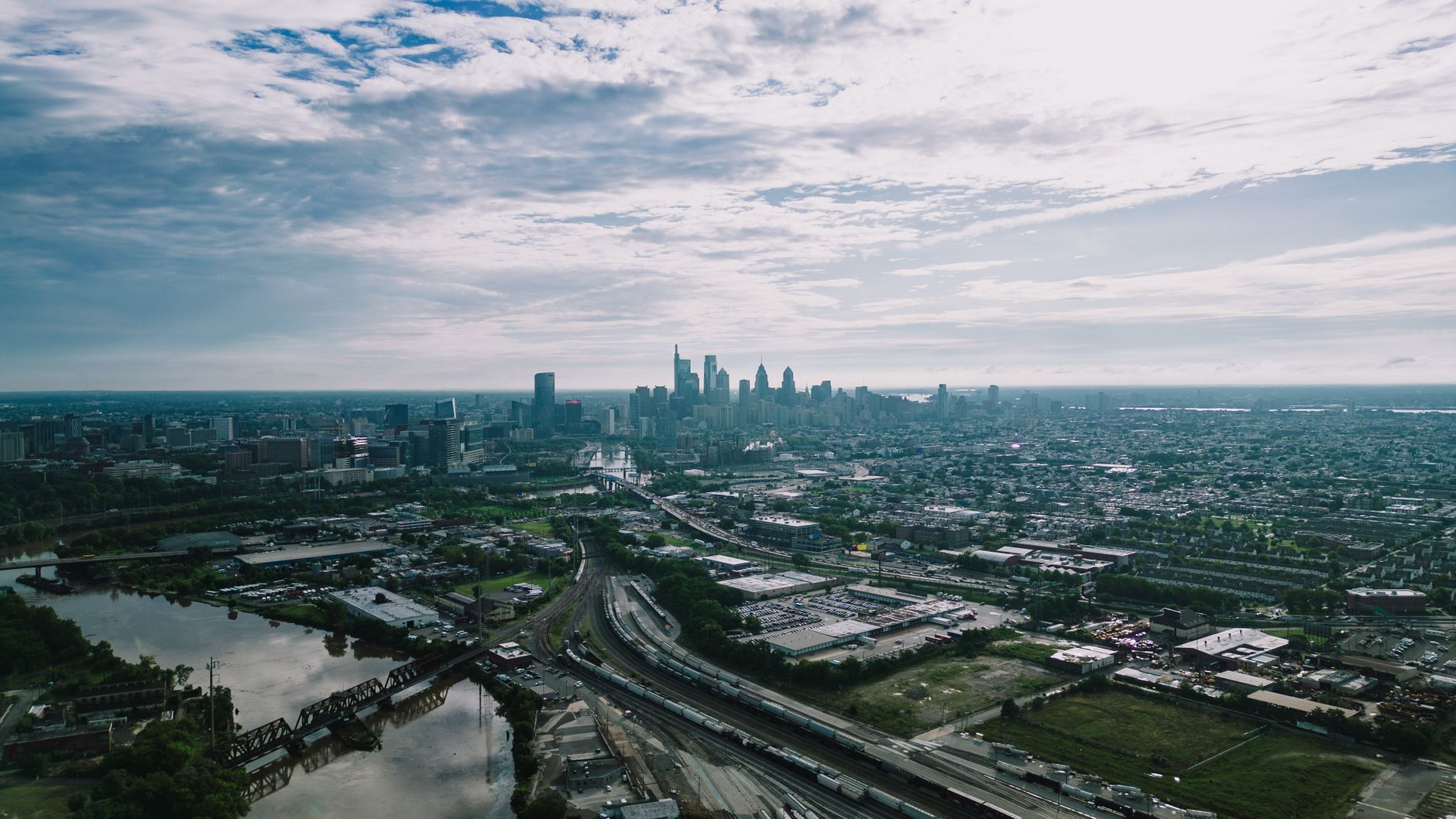
The former site of Philadelphia's largest oil refinery, now known as the Bellwether District, is at the heart of a new debate. City planners recently identified the 1,300-acre industrial zone as a potential location for a large data center, reigniting concerns among environmental justice advocates. This possibility adds another layer of complexity to a site still undergoing extensive clean-up from over a century of refining pollution. The district's future hinges on choices that could either continue a legacy of heavy industry or pave the way for a truly sustainable future.
The idea of a large data center coming to Philadelphia’s Bellwether District has stirred up local conversations. Though no formal proposals exist yet, the city’s Planning Commission recently highlighted the site as one of only two suitable locations for such a facility. This news brings fresh scrutiny to the 1,300-acre tract, which was once the East Coast's oldest and largest oil refinery, a major source of pollution for nearby communities.
After a devastating 2019 fire, the refinery closed, and HRP Group acquired the land. Since then, HRP has been working with environmental agencies like the EPA and the Pennsylvania Department of Environmental Protection (DEP) to clean up contamination it inherited. However, this remediation, governed by Pennsylvania’s Act 2 Land Recycling Program, is only designed for non-residential use. This means the site isn’t being cleaned to a standard that would allow for parks or housing, a disappointment for many advocates who envisioned a greener future. Deed restrictions from a previous owner, Sunoco, continue to limit these more sensitive uses.
HRP has already secured tenants like a beverage maker and a nuclear-medicine business, alongside plans for numerous warehouses. But critics, including groups like Philly Thrive, worry about the increased truck traffic and continued industrial activity. These groups have long fought against the pollution that plagued surrounding Black neighborhoods for generations. While HRP has committed to a $10 million community benefits package, Philly Thrive chose not to sign, pushing for a more robust environmental clean-up and a ban on harmful construction.
Data centers, while not always emitting direct pollution, demand massive amounts of electricity and water, raising concerns about energy prices and noise. Pennsylvania’s Governor Josh Shapiro recently issued an executive order enacting stricter guidelines for such developments due to their environmental impacts. On the Bellwether site, an early proposal by Exelon to PJM revealed discussions for a large new substation, hinting at the potential scale of a data center’s energy needs.
A key contention remains the clean-up of lead in the soil. HRP plans to mostly cap dirty soil with asphalt, and uncapped areas will be remediated to a site-specific direct-contact standard that many experts consider too high. Environmental advocates argue there's “no safe amount of lead,” and that current standards are not serving the interests of Philadelphians well. They emphasize that while some sustainability features, like solar-ready roofs and EV infrastructure, are planned, the underlying environmental remediation should be more comprehensive.
Experts highlight that the optimal time for a thorough clean-up was in 2019, when the refinery closed and responsible parties were identifiable. A more extensive remediation would pave the way for greater versatility, potentially transforming the area into much-needed green space or housing. The ongoing clean-up, however, continues to be constrained by industrial standards, limiting the long-term potential of this vital piece of Philadelphia’s urban fabric and underscoring the urgency of prioritizing environmental health in urban redevelopment.